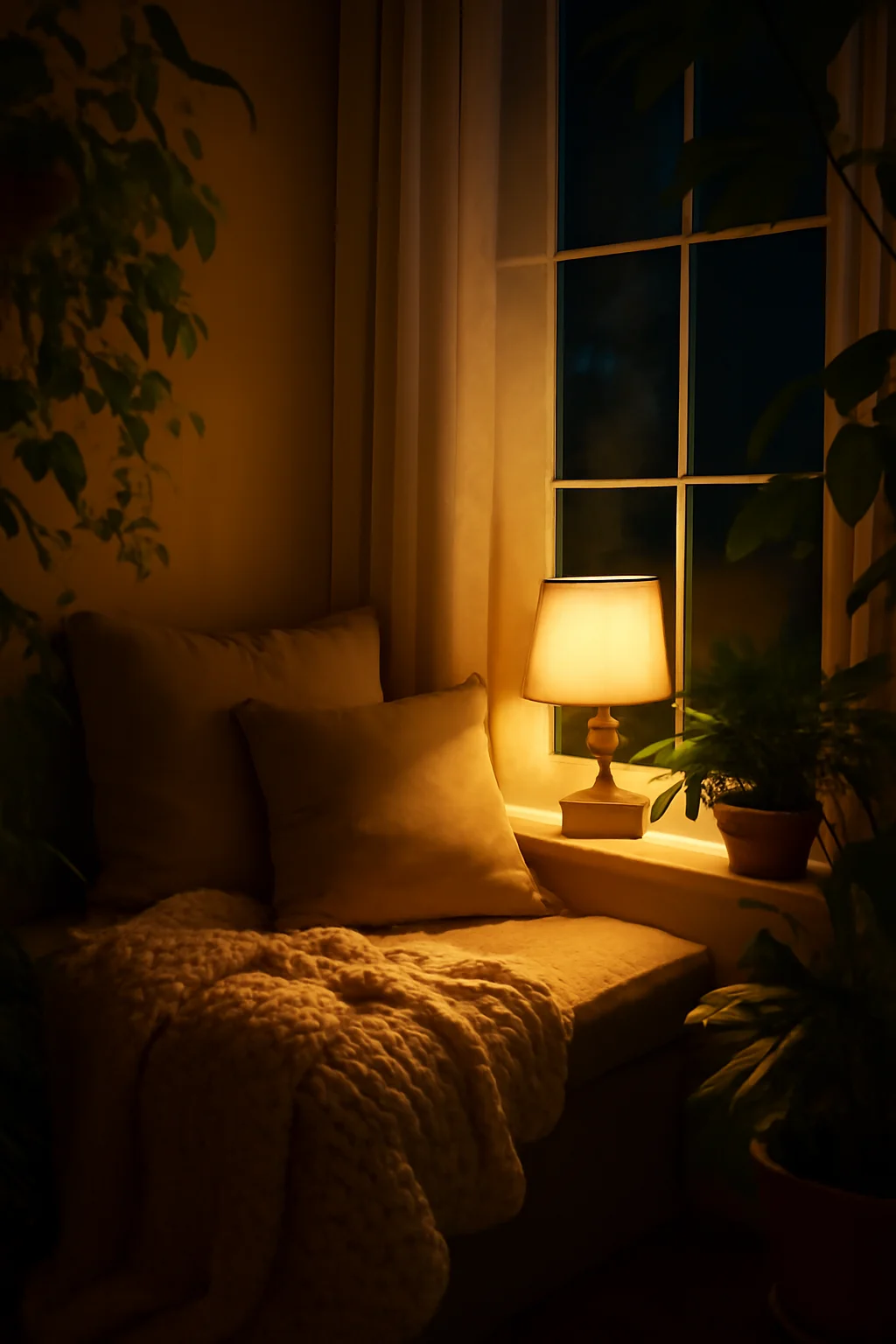
Cozy Reading Nook Ideas: Transform Your Space into a Relaxing Sanctuary
Creating a cozy reading nook transforms any space into a personal sanctuary for relaxation and focus. It offers a quiet retreat where one can unwind, escape daily stress, and immerse in a good book. The key to a successful reading nook lies in combining comfort with functionality using elements like soft seating, warm lighting, and thoughtful decor.
This blog explores various reading nook ideas, each designed to fit different spaces and styles. From window seats that invite natural light to plush corners with layered textiles, the suggestions focus on making reading both enjoyable and visually appealing. For more inspiration on transforming your living space with stylish decor, check out these modern house design ideas, where you can discover even more ways to elevate your home environment.
Benefits of Creating a Cozy Reading Nook
A well-designed reading nook improves both mental focus and emotional well-being. It encourages regular reading and offers a dedicated space for personal downtime. These benefits contribute to a more balanced and fulfilling daily routine.
Enhancing Relaxation and Focus

A cozy reading nook minimizes distractions, enabling deeper concentration. Its comfortable seating and controlled lighting help reduce eye strain and mental fatigue. This setting naturally supports extended reading sessions without discomfort.
The calming atmosphere created by soft cushions, warm tones, and personalized decor promotes relaxation. This helps the reader unwind and temporarily step away from daily stresses. Over time, the nook becomes associated with calmness, fostering improved mental clarity.
Encouraging Daily Reading Habits
Having a designated space dedicated to reading acts as a daily reminder and motivator. It reduces friction in starting reading sessions by providing everything needed within reach, such as books and a reading lamp. This convenience increases the likelihood of regular reading.
A consistent, inviting environment develops positive reading routines. It appeals to readers of all ages, encouraging both children and adults to enjoy books daily. This habit strengthens vocabulary, comprehension, and critical thinking skills.
Providing a Personal Retreat
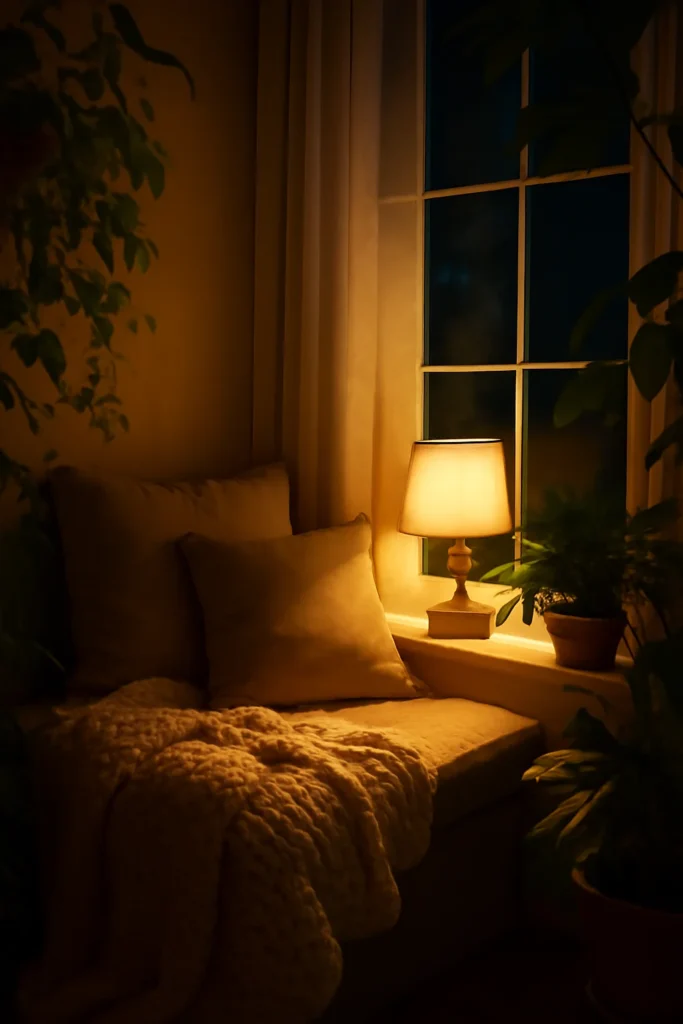
A cozy reading nook serves as a private sanctuary designed to meet individual tastes. It offers a quiet space away from household noise and interruptions. This retreat allows the reader to focus on their inner world or indulge in solitary creativity.
Beyond reading, it can become a versatile spot for journaling, reflection, or simply resting. Customizing the nook with favorite colors, textures, and lighting enhances emotional comfort. This personal retreat supports mental health and rejuvenation.
Choosing the Perfect Location
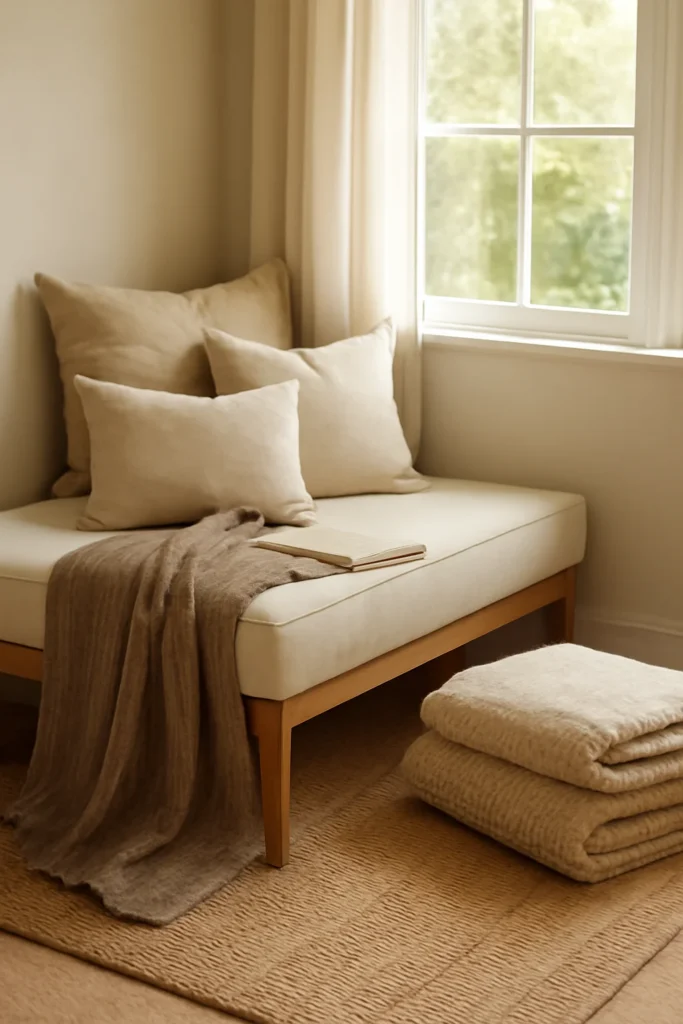
Selecting the ideal spot for a reading nook is essential for comfort and focus. It requires identifying a space that balances privacy, natural light, and accessibility. Consider locations that can adapt to personal preferences for quiet and relaxation without distractions.
Utilizing Unused Spaces
Unused spaces like under the stairs, narrow alcoves, or even empty corners can be transformed into functional reading nooks. These often overlooked areas provide natural seclusion, which helps create a peaceful environment.
Adding built-in shelving or compact seating enhances the usability of these spaces. Soft cushions, throws, and task lighting can maximize comfort and usability. Because these spots are usually tucked away, they reduce interruptions and foster concentration.
Transforming Window Seats
Window seats offer natural light and outdoor views that enhance the reading experience. A seat with a wide sill or built-in bench can be outfitted with plush cushions and pillows for comfort.
The natural daylight supports reading during the day while a soft lamp or fairy lights serve as ambient lighting after dusk. It is important to manage temperature and glare by using curtains or blinds, ensuring comfort throughout seasons.
Creating Cozy Corners
Corners are perfect for creating intimate, personal reading retreats. A corner chair or chaise lounge placed against the walls helps define a cozy spot.
Adding a small side table for books and a reading lamp improves functionality. Soft rugs and accessories like blankets build warmth and comfort, turning the corner into an inviting space that encourages extended reading sessions.
Essential Elements for Comfort
Creating a cozy reading nook depends largely on prioritizing comfort through carefully chosen seating, soft textiles, and thoughtful layering. Each element plays a specific role in making the space inviting and supportive for long reading sessions.
Selecting Comfortable Seating
Comfort starts with the right seat. It should support multiple reading positions, allowing the user to stretch out or sit upright without strain. Options like oversized armchairs, chaise lounges, or cushioned benches work well.
The seat’s firmness matters. A medium-firm cushion offers both support and softness, preventing discomfort during extended use. Height and width also influence comfort—wide enough for shifting and tall enough to provide proper back support.
Materials should balance durability and feel. Fabric covers often offer breathability, while leather brings sophistication but may feel less cozy. Removable, washable covers add convenience for upkeep.
Layering Soft Textiles
Textiles add warmth and tactile comfort, essential for a cozy nook atmosphere. Layering involves mixing materials like throws, rugs, and curtains for texture and insulation.
Natural fibers such as cotton, wool, or linen work well for breathability and softness. A blend of materials prevents the space from feeling flat or clinical, boosting inviting appeal.
Textiles can also control temperature. A thick rug anchors the nook while protecting feet from cold floors. Lightweight curtains filter light softly, enhancing relaxation without darkening the space too much.
Adding Cushions and Blankets

Cushions increase seating flexibility and ergonomic support. A combination of firm lumbar cushions and softer pillows allow users to customize their comfort.
Blankets, preferably in cozy materials like fleece or chunky knit, invite warmth and tactile relaxation. They provide easy access for users to cover themselves during cooler reading sessions.
Varied sizes and shapes add visual interest and accommodate different posture needs. Both cushions and blankets should be easy to maintain for practical use.
Lighting Ideas for Ambience
Creating the right lighting is crucial for a cozy reading nook. It balances brightness for reading and softness for comfort. Effective lighting blends natural sources, focused lamps, and decorative elements.
Natural Light Considerations
Natural light provides the best base illumination for a reading space. Positioning the nook near a large window maximizes daylight, reducing eye strain. Sheer curtains help diffuse harsh sunlight while maintaining brightness.
South-facing windows typically offer consistent light throughout the day, but east- or west-facing windows can also work with proper shading. Reflective surfaces like light-colored walls enhance natural light reflection.
If privacy or glare is an issue, adjustable blinds or shades allow control. This ensures the light level adapts to different times or seasonal changes without compromising comfort.
Choosing Reading Lamps
Focused task lighting is essential. Adjustable lamps with warm light (2700K-3000K) provide clarity and reduce eye fatigue. Desk lamps with dimmers offer flexibility for varying light needs.
Consider gooseneck or swing arm lamps for precise direction. These lamps help concentrate light on the book while not lighting the entire room unnecessarily.
Placement matters: lamps should be positioned to avoid shadows caused by the reader’s hands. Battery-operated or smart LED lamps add convenience and energy efficiency.
Key features for reading lamps:
| Feature | Benefit |
|---|---|
| Warm light | Comfortable glare-free reading |
| Adjustable head | Targeted illumination |
| Dimmable | Light control |
| Energy efficient | Reduced power consumption |
Incorporating String Lights
String lights add a warm, inviting glow without overpowering the space. They function as ambient lighting, contributing to a relaxing atmosphere during evening hours.
Draping string lights around shelves or the nook’s frame creates a soft perimeter light. Opt for warm white bulbs or fairy lights for subtlety.
Battery-operated or solar-powered options provide versatility in placement. Smart string lights allow scheduling or color adjustment to match mood.
String lights paired with candles or small floor lamps create layers of light. This layering enhances coziness while keeping the reading area well-lit and visually appealing.
String light tips:
- Choose low-glow, warm color temperatures
- Avoid overly bright or flashing styles
- Use with dimmers or smart controls
- Position higher to reduce direct glare
Personalizing Your Reading Nook
Creating a cozy reading nook is more fulfilling when it reflects individual taste and comfort. Thoughtful elements like artwork, greenery, and book arrangement can transform a simple space into a personal retreat that invites frequent use and relaxation.
Decorating with Artwork
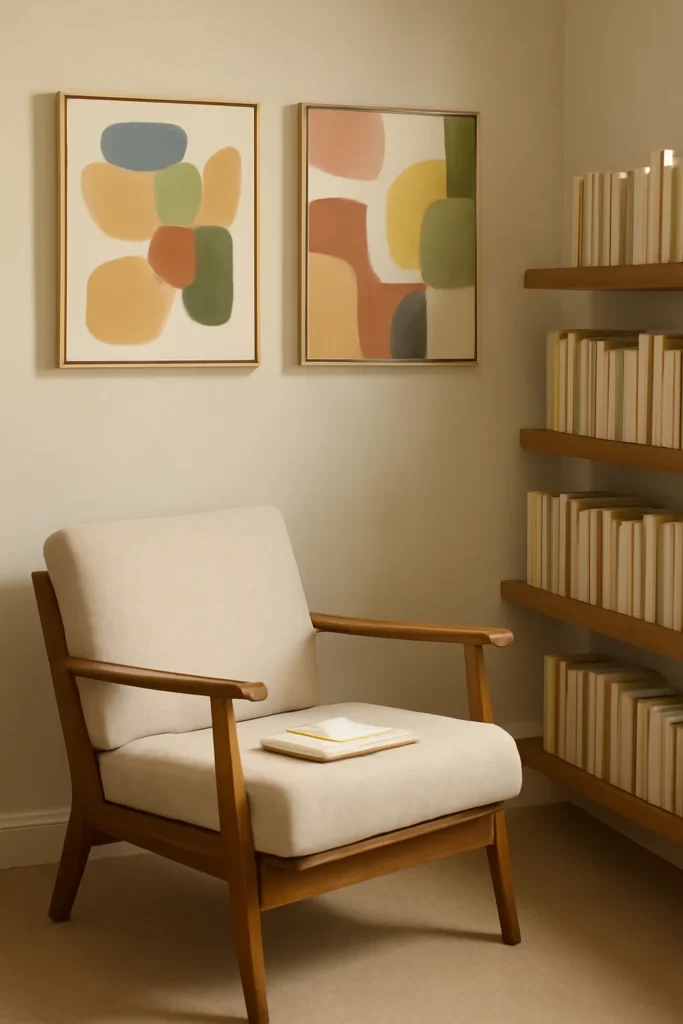
Artwork adds character and visual interest to a reading nook. Choosing pieces that resonate personally—whether prints, paintings, or photographs—can help set the mood. Framing and placing artwork where it can be easily admired without distracting from reading is key.
Art can complement the color palette of the nook or introduce contrast to create a dynamic feel. Minimalist prints work well in small spaces, while larger, bold pieces suit more expansive corners. Hanging art at eye level ensures it enhances rather than overwhelms the space.
Artwork can also reflect themes relating to reading, such as literary quotes or scenes from favorite books. This deepens the connection between the nook’s decor and its primary function.
Incorporating Plants
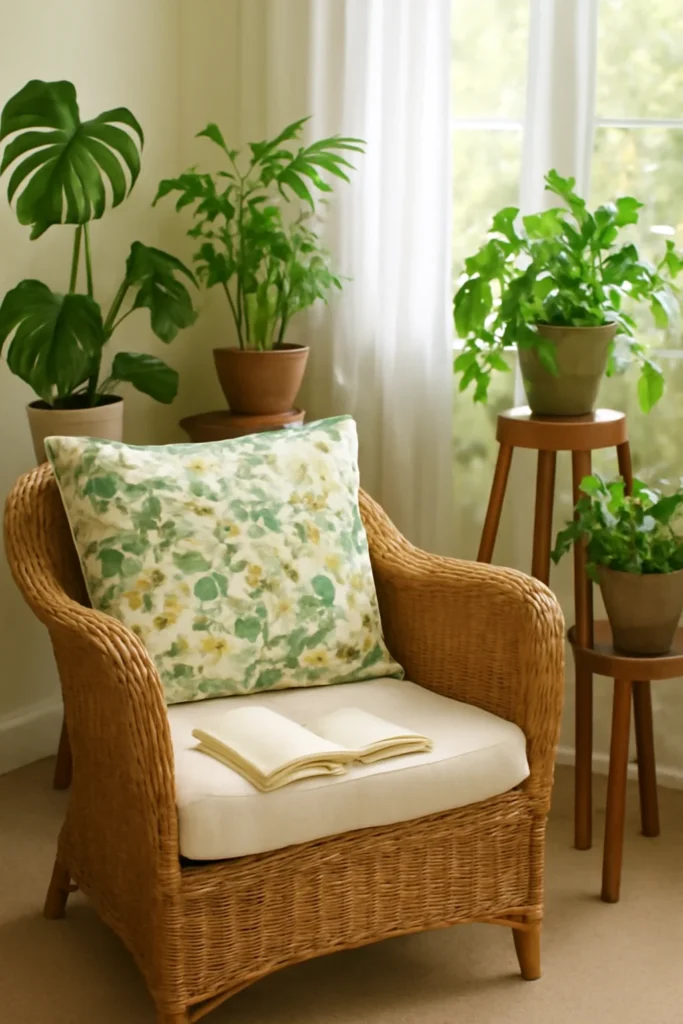
Plants bring life and freshness to a reading nook, improving air quality and mood. Selecting low-maintenance plants like succulents, snake plants, or pothos is practical for indoor corners with limited natural light.
Placement matters; small potted plants on a side table or hanging planters near the window can soften hard edges and add texture. Vertical plant walls work well if the nook has enough height and space.
In addition to aesthetics, plants contribute a calming presence, making the reading experience more restful. Care should be taken to choose pots and containers that complement the nook’s overall style, whether rustic, modern, or eclectic.
Showcasing Book Collections

Displaying books effectively encourages frequent reading and personal pride in one’s collection. Open shelving, built-in bookcases, or stacked piles can serve different spatial and stylistic needs.
Books can be arranged by color, genre, or size to create visual order. Combining horizontal and vertical stacks adds sculptural interest and breaks monotony. Including decorative bookends or small sculptures can enhance the arrangement.
Accessibility is essential; frequently read books should be within easy reach. A display area dedicated to currently favored titles invites rotation and fresh exploration, keeping the nook engaging over time.
Creative Small Space Reading Nooks
Maximizing limited space requires careful planning and creative use of overlooked areas. Integrating seating, storage, and lighting efficiently turns tight spots into functional, inviting reading retreats.
Under-Stair Nook Transformations
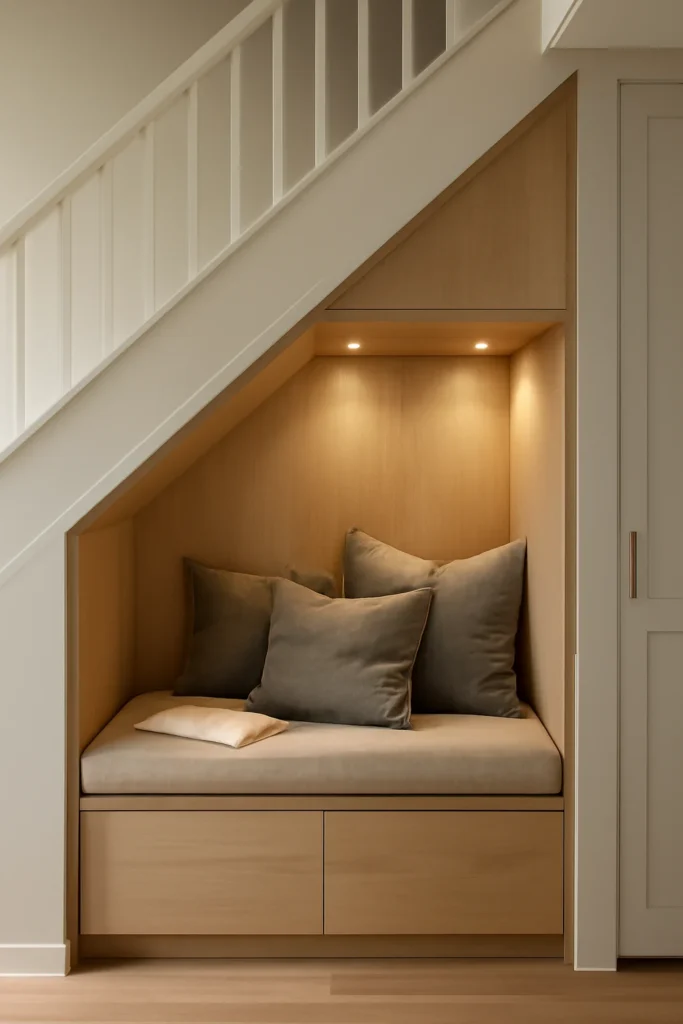
Under-stair areas often represent unused or cluttered space, but they can be transformed into cozy reading nooks. Installing built-in shelves or cabinets along the sloped wall maximizes storage for books and reading materials.
A cushioned bench tailored to the stair shape provides comfortable seating without wasting space. Adding soft lighting, such as recessed LEDs or wall sconces, enhances visibility and ambiance. A small throw pillow or blanket adds warmth without crowding the compact area.
This approach efficiently uses vertical and horizontal space while maintaining an unobtrusive footprint in the home’s layout.
Closet Conversions
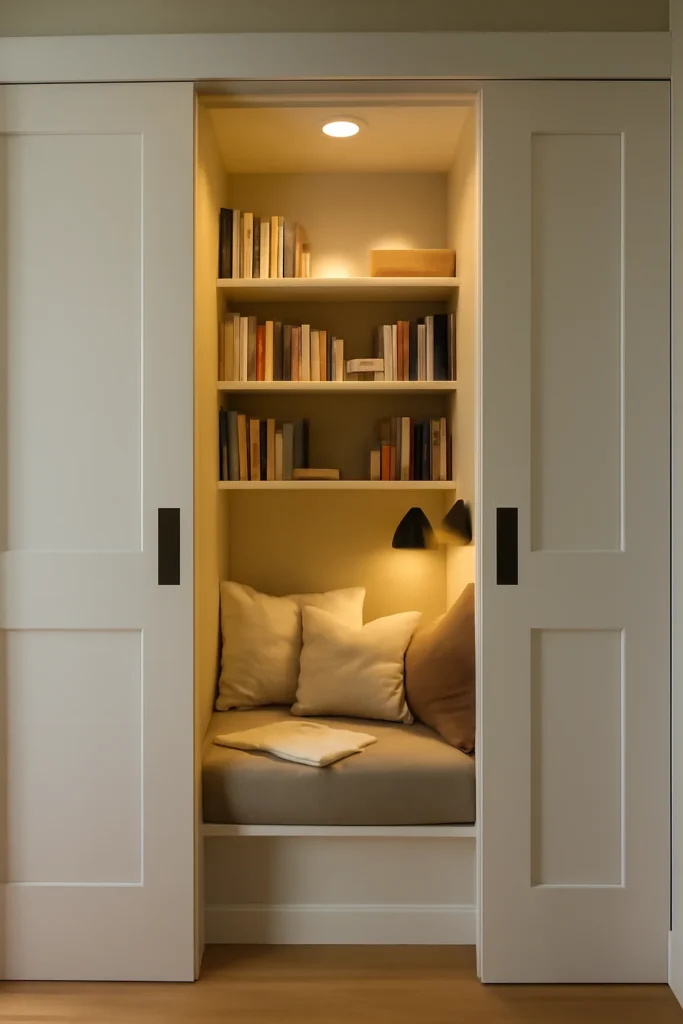
Closets can convert into private, quiet reading spaces with minimal structural change. Removing existing closet doors or replacing them with sliding panels opens the nook visually while maintaining separation.
Inside, installing floating shelves or a slim bookcase makes efficient use of vertical space. A comfortable chair or bench with seat cushions fits well in most closet sizes. Good task lighting is essential; track lights or compact lamps work without overcrowding.
Basic decor like neutral paint colors and soft textiles create a calming atmosphere conducive to reading and relaxation.
Portable Nook Solutions
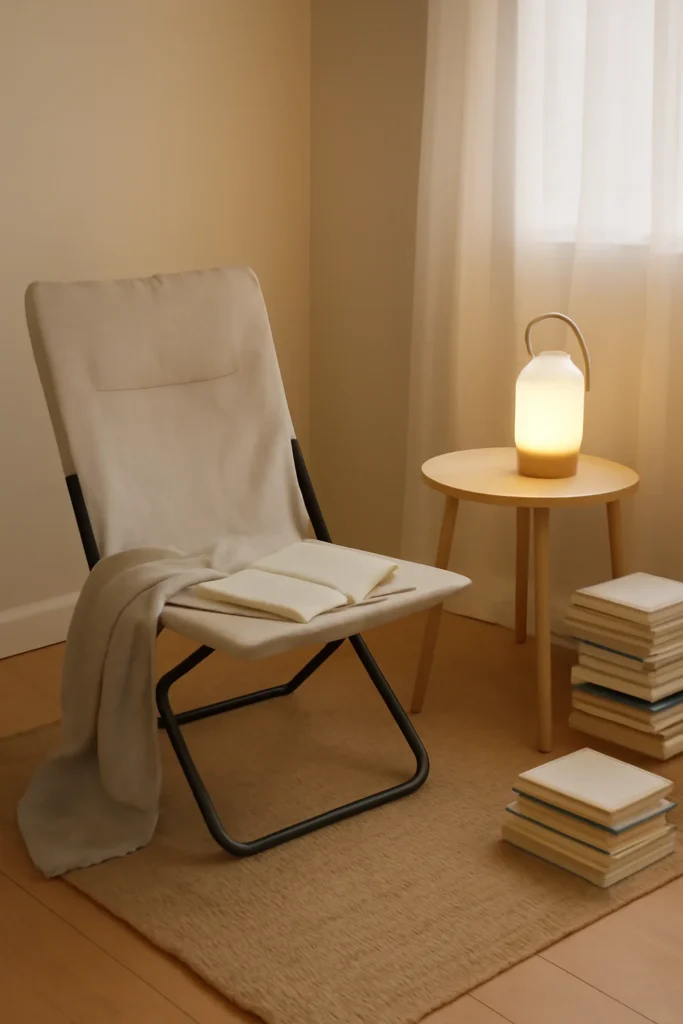
Portable reading nooks offer flexible options for renters or those who want a no-permanent-change setup. These include foldable chairs, mobile book carts, and lightweight cushions or bean bags.
Using rolling carts with storage allows easy movement of books and accessories. Portable lamps, like clip-ons or rechargeable LED lights, provide adjustable lighting without wire clutter.
Adding compact side tables or trays improves functionality without sacrificing space. These nooks can be set up in corners, by windows, or anywhere light and comfort meet.
Seasonal Inspirations for Reading Nooks
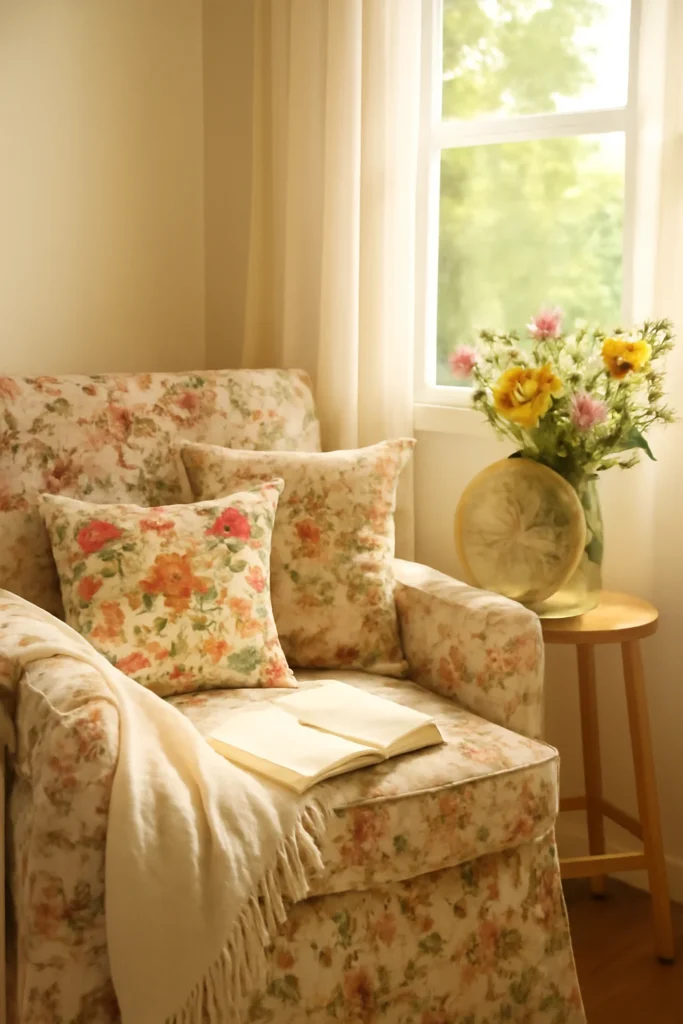
Seasonal changes invite adjustments to a reading nook’s decor, lighting, and comfort elements. These shifts help tailor the space to different weather conditions and mood preferences.
Cozy Autumn and Winter Touches
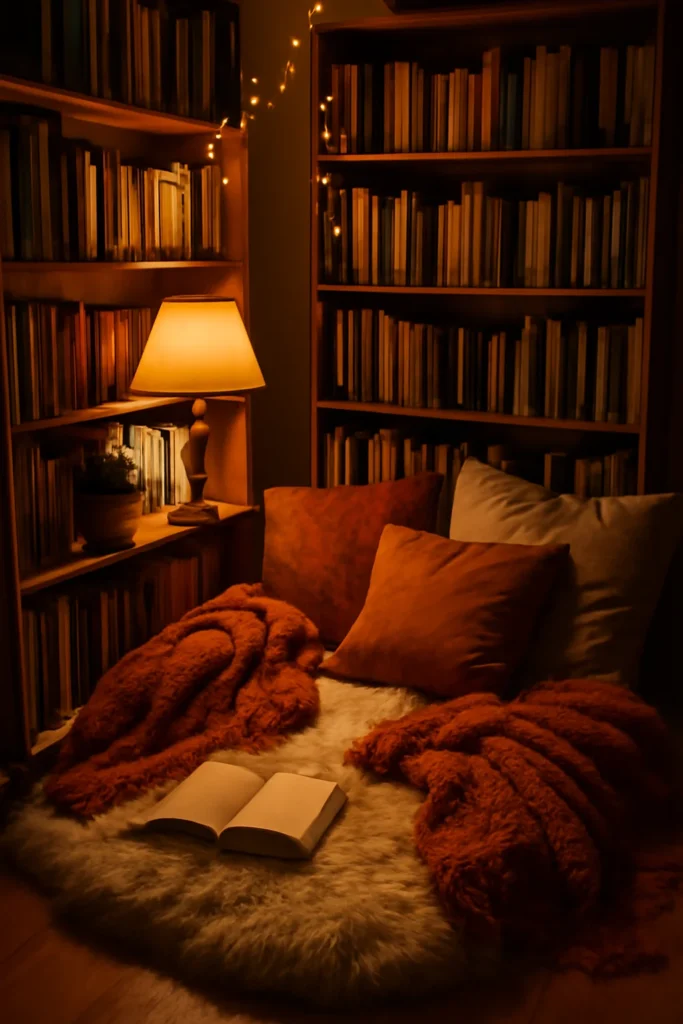
In autumn and winter, warm textures and layered fabrics make a reading nook inviting and snug. Soft throws in wool or fleece provide extra warmth, while cushions in deep hues like burgundy, burnt orange, and forest green evoke seasonal colors.
Warm lighting is key—consider amber-toned lamps or string lights to replace harsher overhead lighting. Adding a small portable heater or a faux fur rug enhances the sensation of warmth without bulky furniture.
Natural elements like pine cones, dried leaves, or wooden accents increase the cozy vibe. Heavy curtains also help by trapping heat and blocking cold drafts during these months.
Refreshing for Spring and Summer
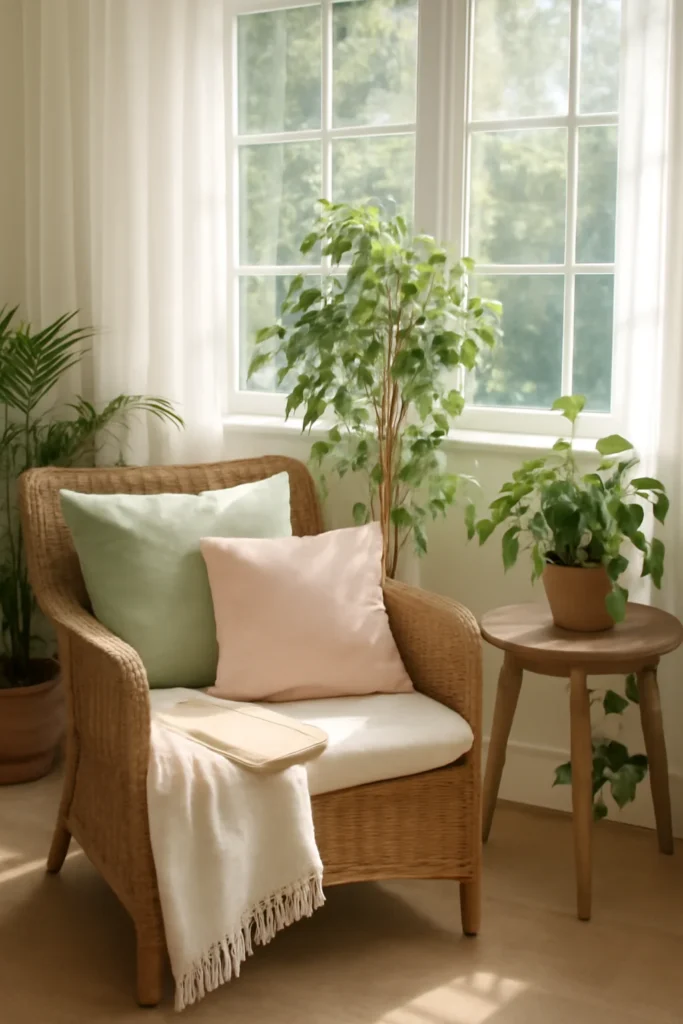
Spring and summer calls for lighter, airier materials and brighter colors to match the season’s freshness. Linen or cotton throws replace heavier fabrics, and pastel or floral-patterned cushions add an uplifting touch.
Natural light should be maximized by keeping window treatments minimal or sheer. Incorporating potted plants brings greenery and helps create a fresh atmosphere.
Cooling elements like a light throw and a small fan can maintain comfort without overwhelming the space. Decorative items like seashells or fresh flowers reflect summer themes.
Maintenance and Organization Tips
A well-maintained reading nook stays inviting and functional over time. Regular upkeep and smart organization make the space both comfortable and easy to use.
Keeping Your Nook Tidy
He or she should develop a simple daily routine to keep the nook clutter-free. This includes putting away books, magazines, and other materials after use.
Using storage solutions like baskets, shelves, or modular containers helps contain loose items. Soft furnishings such as cushions or throws should be regularly fluffed and cleaned to avoid dust buildup.
Lighting fixtures require occasional dusting and checking to ensure they provide adequate illumination. Regular cleaning of surfaces and vacuuming or sweeping the floor area preserves a neat atmosphere.
Rotating Reading Materials
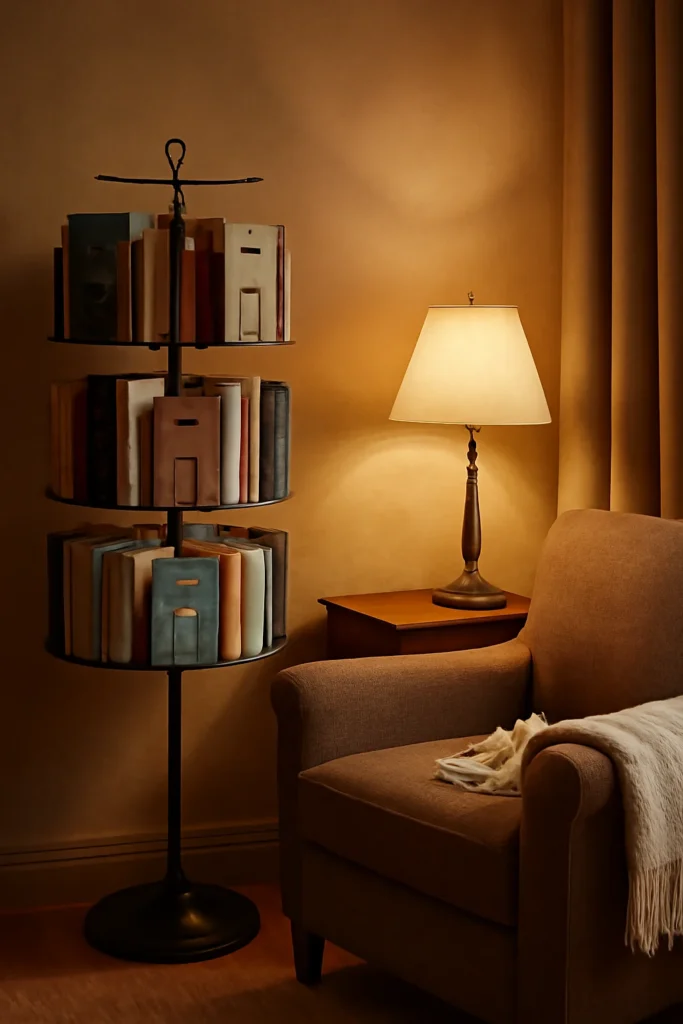
To keep the nook interesting and prevent overcrowding, rotating books and magazines is essential. He or she can establish a small selection system that changes monthly or seasonally.
Organizing items by genre or theme makes selection easier. Less-read materials should be stored elsewhere or donated to maintain focus on current reading interests.
Using a dedicated shelf or display rack for featured books helps spotlight current favorites. This keeps the nook dynamic and prevents accumulation of unwanted clutter.
Conclusion
A cozy reading nook is a valuable addition to any home. It offers a dedicated space for relaxation, focus, and escape through books. Personalizing this area makes it inviting and comfortable.
Key elements like soft seating, warm lighting, and thoughtful decor create the ideal atmosphere. These details balance function with style, ensuring the nook meets practical needs while enhancing home aesthetics.
Emphasizing simplicity and comfort helps maintain the nook’s purpose as a restful retreat. Natural light, cushions, and subtle accents promote a calm environment that encourages reading.
Incorporating personal touches reflects individual tastes and increases satisfaction with the space. Whether minimalistic or eclectic, a well-designed nook supports daily enjoyment and mental recharge.