Best Laundry Room Tile Ideas for Floors, Walls & Backsplashes
Laundry rooms face daily challenges: water splashes, detergent spills, heavy appliances, and constant foot traffic. The right tile transforms this hardworking space into one that’s both highly functional and visually appealing. Porcelain and ceramic tiles dominate because they resist moisture, clean easily, and withstand wear far better than vinyl, laminate, or carpet.
Porcelain, in particular, offers very low water absorption (often under 0.5%), making it ideal for waterproof laundry room flooring. Larger formats reduce grout lines, which means less lint and dirt buildup. Matte and textured finishes improve slip resistance where floors get wet. These 17 ideas provide a mix of timeless neutrals, subtle patterns, and bolder accents that suit everything from tiny closets to spacious utility rooms.
Why Tile Works So Well in Laundry Rooms
Tile excels in laundry settings due to its inherent durability and low maintenance. It handles vibration from washers and dryers, occasional leaks, and frequent cleaning without warping or staining. Fewer grout lines from large tiles simplify sweeping and mopping. On walls and backsplashes, tile protects against splashes while reflecting light to make the room feel brighter and more open.
For small laundry rooms, light colors and simple layouts prevent the space from feeling cramped. Larger rooms can incorporate patterns or mixed materials. When shopping, check PEI abrasion ratings for floor durability and water absorption rates. Epoxy grout is often worth the upgrade in laundry rooms because it resists stains and moisture better than standard cement grout.
17 Laundry Room Tile Ideas
1. Large-Format Porcelain in Neutral Tones for a Seamless Look
Large rectangular or square porcelain tiles (12×24 inches or bigger) in soft gray, warm beige, or off-white create a clean, expansive surface with minimal grout lines. This reduces cleaning time and makes small rooms feel larger and more continuous.
These tiles handle appliance weight and moisture exceptionally well, making them one of the most practical choices for waterproof laundry flooring. Pair them with matching or light grout for a monolithic effect that pairs beautifully with white or wood cabinets and open shelving in modern laundry room design.
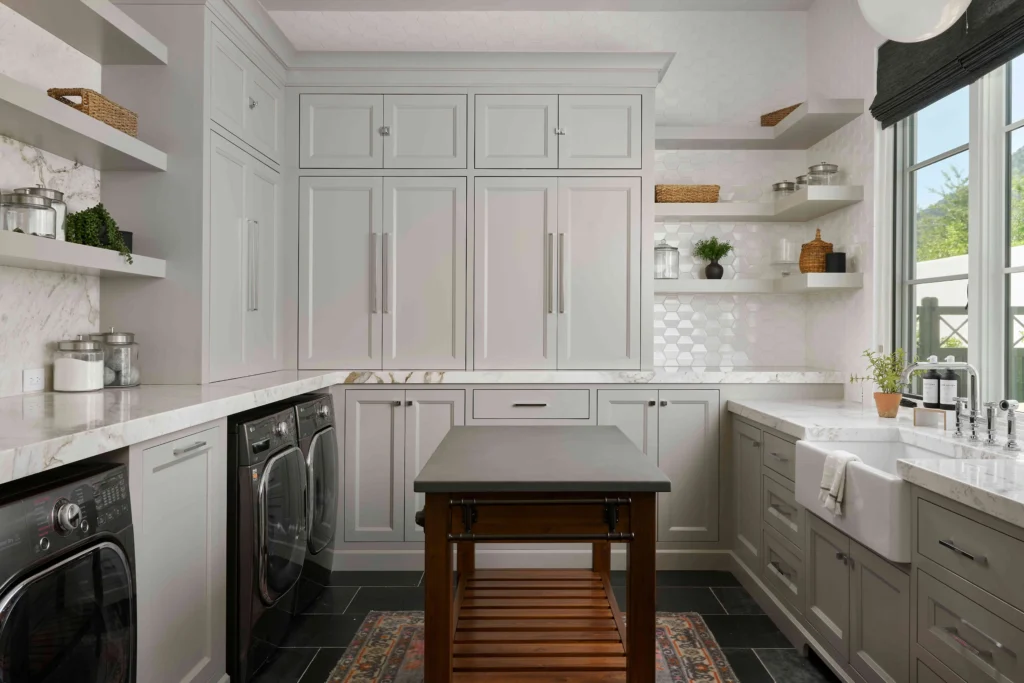
2. Herringbone Pattern with Brick-Look Porcelain
Brick-look porcelain tiles laid in a herringbone (zigzag) pattern add subtle texture and visual movement. The elongated shape helps narrow rooms feel longer while keeping the overall look calm.
Opt for a matte finish to improve grip and hide scuffs from baskets or shoes. This layout works on floors or as an accent wall. It requires careful cutting at edges, so plan extra time for installation. The result feels intentional and elevates a basic utility space.
3. Classic White Subway Tile Backsplash
White subway tiles are a reliable favorite for laundry room wall tiles and backsplashes. Their rectangular shape and slight bevel catch light beautifully, brightening areas around sinks or washers.
Install in a running bond pattern for timeless appeal or run them vertically to add height in low-ceiling rooms. Glossy versions wipe clean easily; matte options reduce glare. Contrasting grout (like charcoal) gives crisp definition, while matching grout creates a softer look. This style coordinates with nearly any cabinet color.
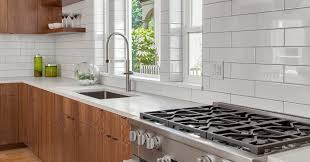
4. Hexagon Tiles for Playful Yet Practical Flooring
Small hexagon porcelain tiles introduce gentle geometric interest without overwhelming the space. Neutral or soft-toned hexagons suit small laundry room tiles setups, adding charm while remaining easy to maintain.
A honed or matte finish boosts slip resistance near wet zones. The pattern fits well around corners or plumbing fixtures. Because it repeats naturally, installation feels more forgiving than complex layouts. This style bridges traditional and modern laundry room design effectively.
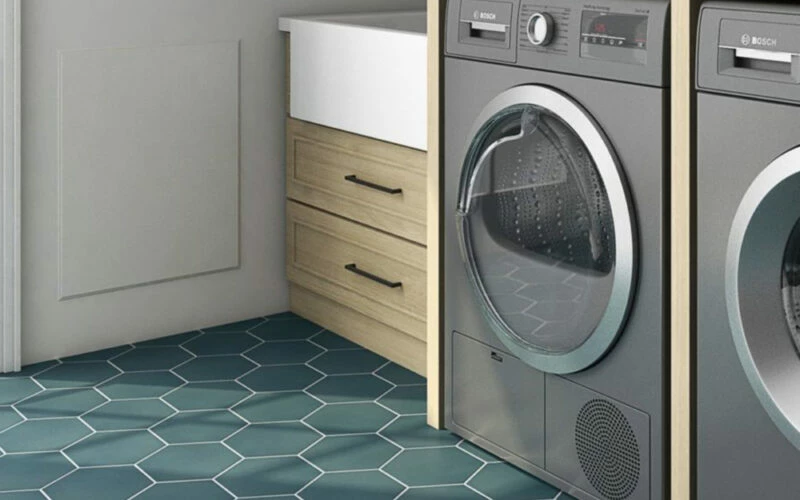
5. Checkerboard Pattern in Black and White
A black-and-white checkerboard floor brings bold graphic energy while cleverly hiding dirt and lint between cleanings. Use durable porcelain tiles in 8×8 or 12×12 inch sizes for straightforward installation.
This pattern shines in modern laundry room design, especially when walls stay light and simple. In smaller rooms, scale it modestly or apply it only in high-traffic zones. The high contrast creates a defined, energetic feel.
6. Wood-Look Porcelain Planks
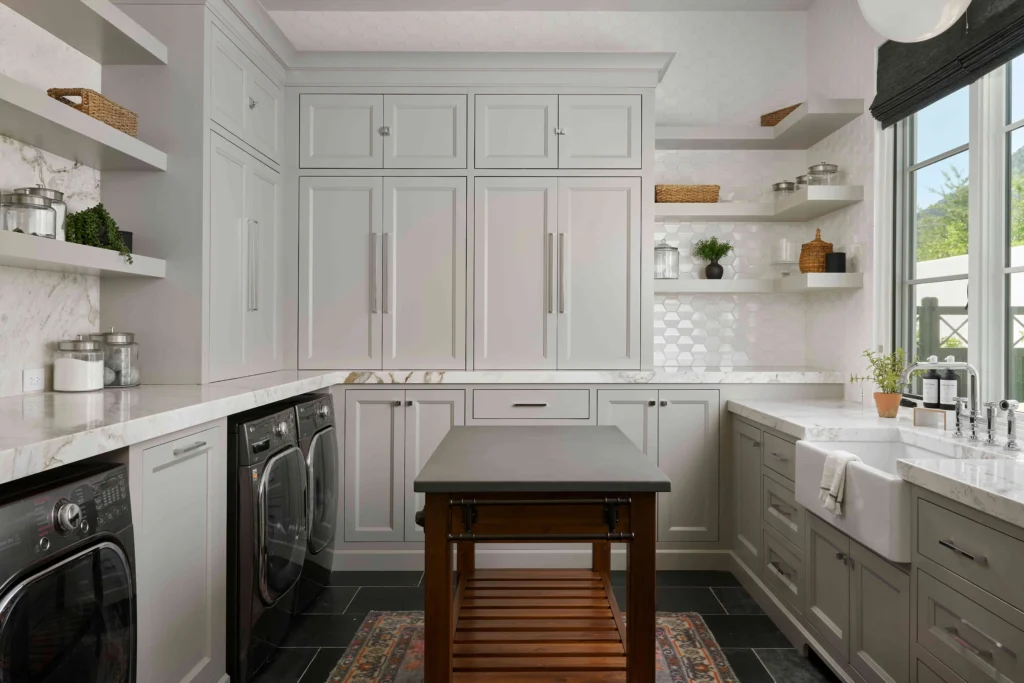
Wood-look porcelain planks deliver the warmth of hardwood without moisture worries. Light oak, gray-washed, or weathered finishes make the space feel more residential and inviting.
Install in a straight or staggered pattern depending on the desired look. These tiles handle spills and heavy appliances far better than real wood, making them a top laundry room flooring idea for homeowners seeking cozy style with practical performance.
7. Penny Round Mosaic for Texture and Interest
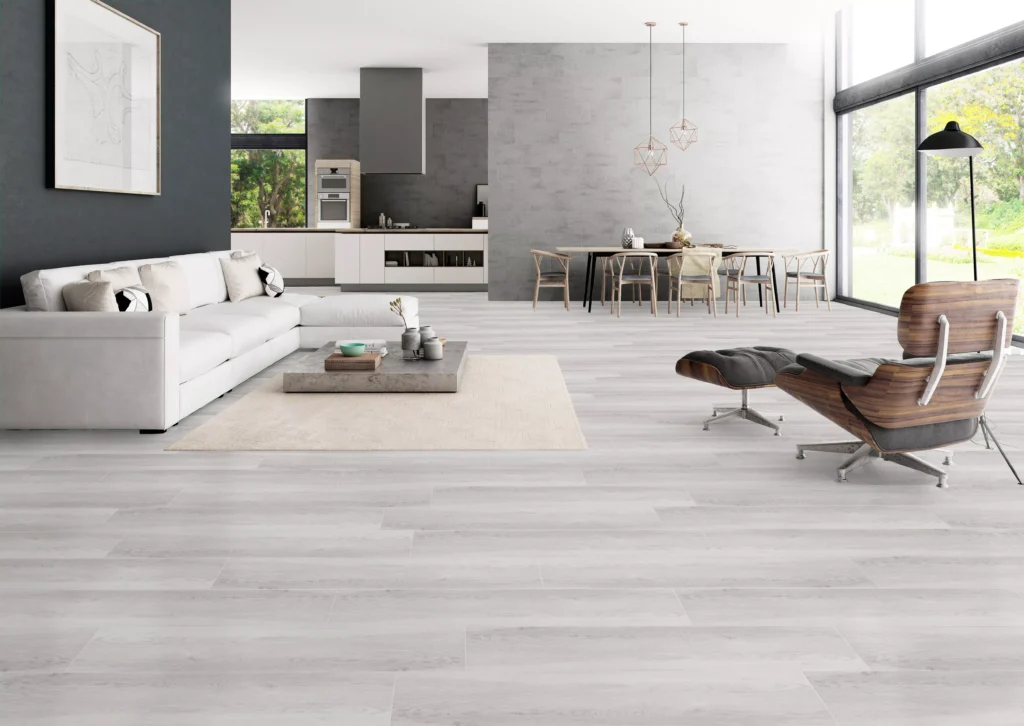
Penny round mosaic tiles (small circular pieces) add retro-modern texture on floors or as backsplash accents. Glazed porcelain or ceramic versions resist water and clean smoothly.
Use them as a full field in tight areas or as a decorative border. Their small scale works well in corners and around fixtures. This detail brings personality without dominating the room—perfect for adding a custom touch on a budget.
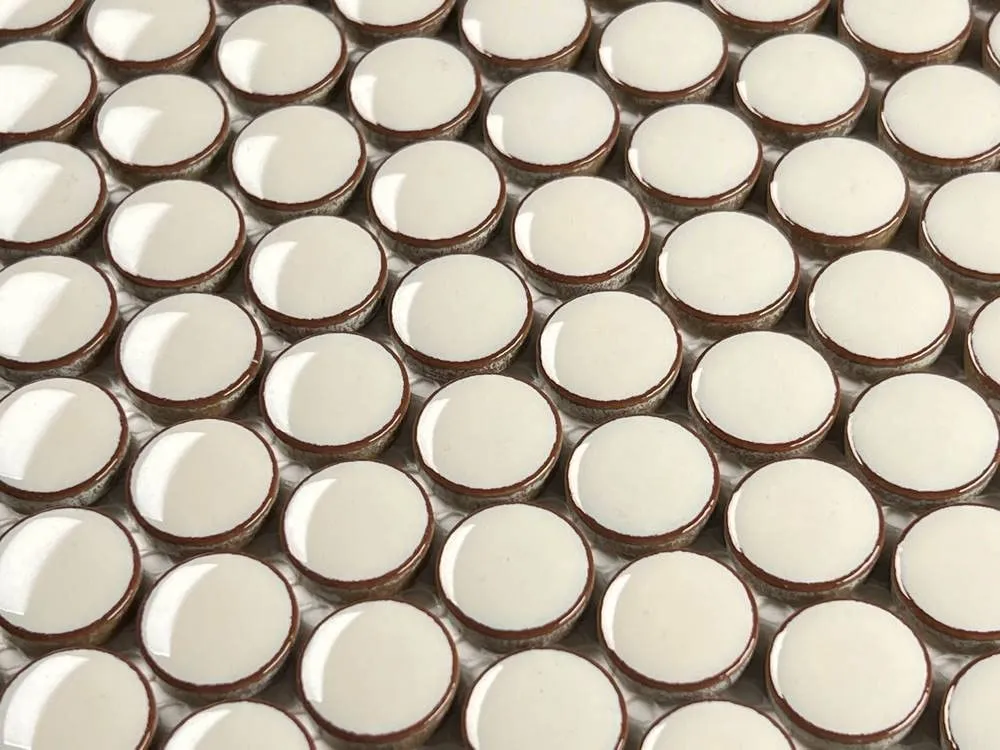
Tenedos Vanilla Latte Penny Round Glossy Porcelain Mosaic Floor and Wall for Backsplash Tile, Bathroom Tile, Kitchen Backsplash on 12×12 Mesh for Easy Installation (Box (20 Sheets)) – Amazon.com
8. Light Gray Matte Porcelain for Calm and Concealment
Matte light gray porcelain tiles conceal everyday lint, footprints, and minor stains better than bright white while maintaining a bright, open feel. This versatile neutral works on both floors and walls.
It coordinates beautifully with white or wood accents. The soft matte surface reduces slip risk and glare from lights—a practical plus in busy laundry spaces. Many find it one of the most forgiving options for real-life family use.
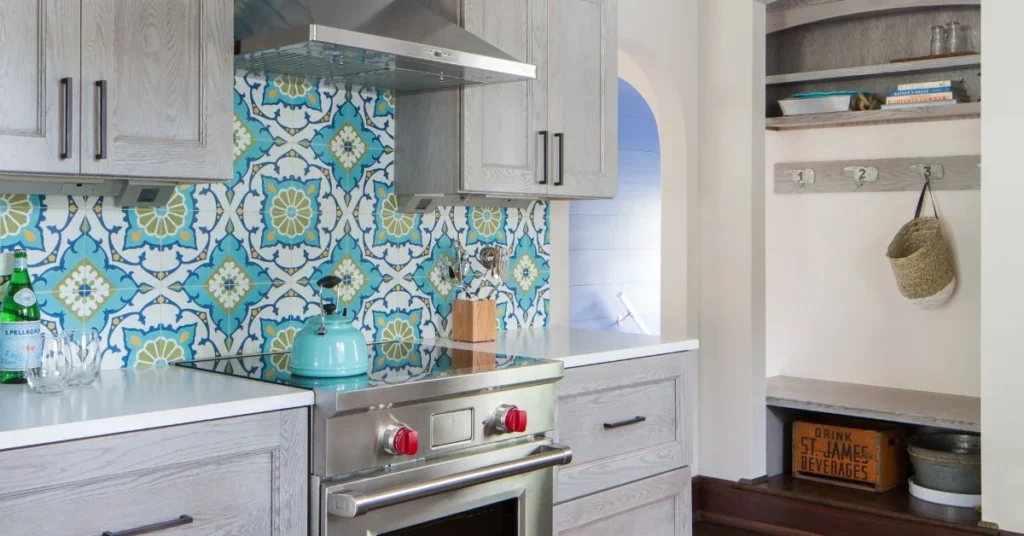
9. Bold Geometric Accent Wall
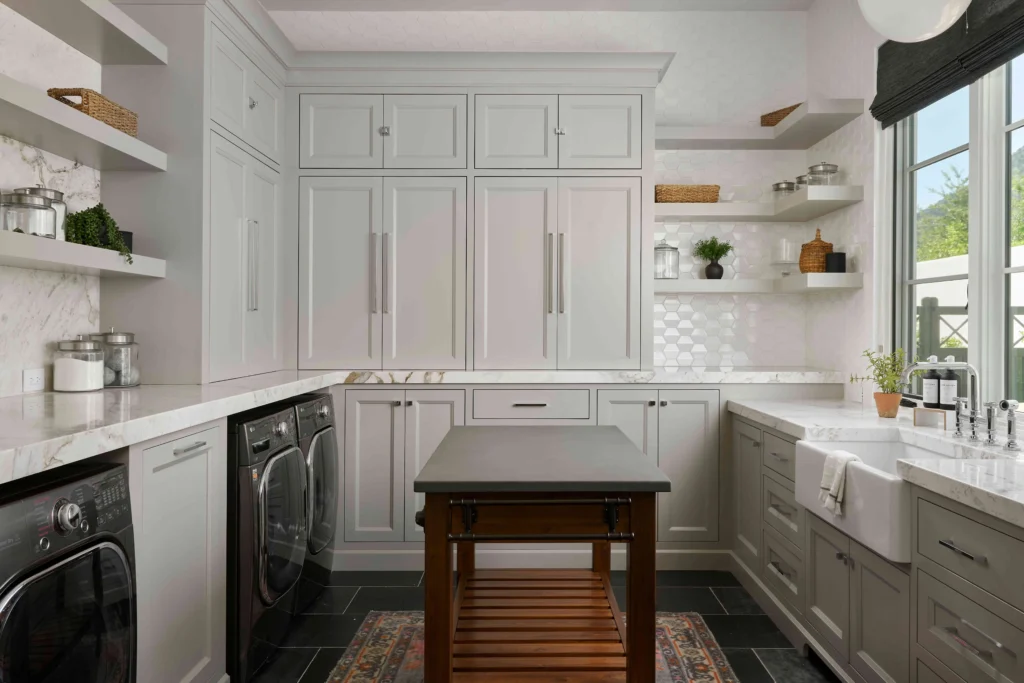
Patterned geometric or zellige-style ceramic tiles on one wall or the backsplash behind the sink introduce handmade texture and subtle movement.
Keep the floor and remaining walls neutral so the accent stands out without competing. These patterns add depth and character to plain utility rooms while still prioritizing easy cleaning in splash-prone areas.
10. Terracotta or Warm Earth-Tone Tiles
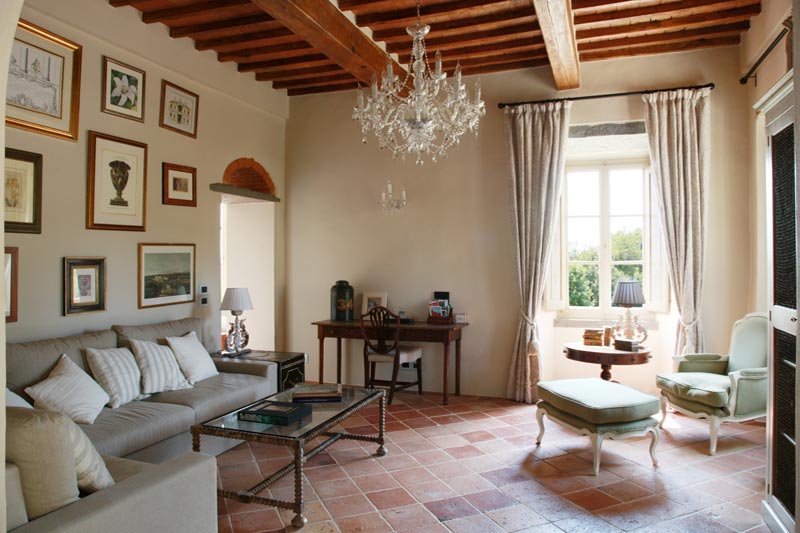
Warm terracotta-look porcelain brings subtle color and an earthy, grounded feel. Matte finishes prevent slipping and conceal wear over time.
These tones complement farmhouse or Mediterranean-inspired modern laundry room design. Pair with crisp white or light wood cabinets for balance. The natural warmth makes daily chores feel less clinical.
11. Vertical Tile Layout for Height
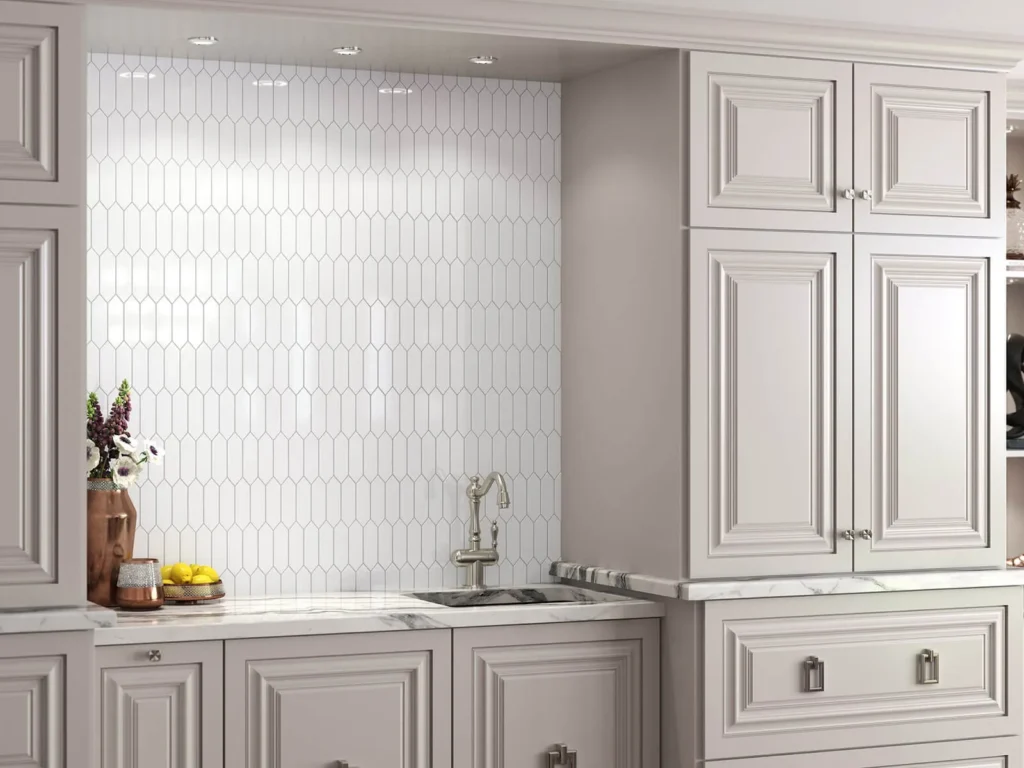
Running rectangular tiles vertically on walls or backsplashes creates an illusion of taller ceilings. This simple adjustment works with subway, plank, or larger formats at minimal extra cost.
It proves especially effective in small laundry rooms where vertical lines help the space feel more open. Combine with light grout to maximize brightness.
There’s Nowhere to Go but Up With Vertical Tiles | Coverings 2026
12. Mixed Materials: Tile + Open Shelving
Combine durable porcelain on floors and lower walls with open shelving above. Add lighter mosaic or ceramic accent strips higher up for layered interest.
This approach keeps the room highly functional for storage while adding visual depth and preventing a cold or sterile atmosphere.
13. Budget-Friendly Peel-and-Stick Tile Options
For renters or quick updates, waterproof peel-and-stick tiles mimicking porcelain or ceramic provide an affordable starting point. Many feature realistic grout lines and strong adhesive.
While not as permanent as traditional tile, they deliver good temporary style and easy cleanup. Ideal for testing a look before a full renovation.
14. Natural Stone Look with Porcelain
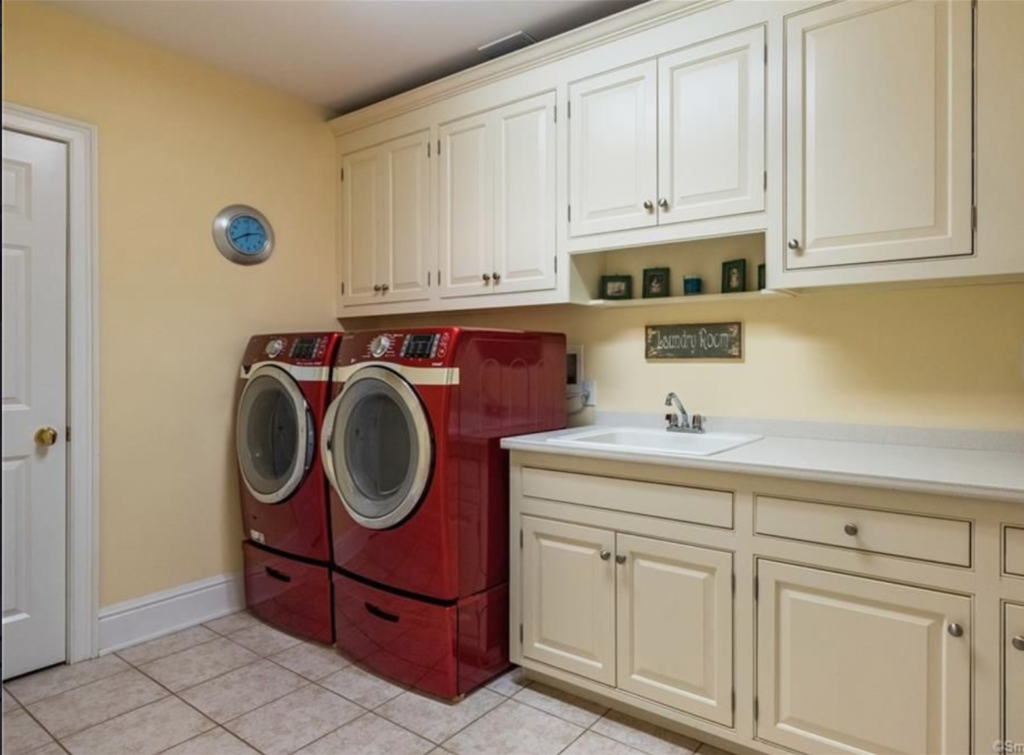
Porcelain tiles replicating marble, limestone, or travertine veining offer elegant style without the heavy maintenance of real stone. Honed finishes work best for laundry use to minimize slipperiness and water marks.
These options elevate the space for those wanting stylish utility room tiles with practical, long-term performance.
15. Colorful Mosaic Backsplash
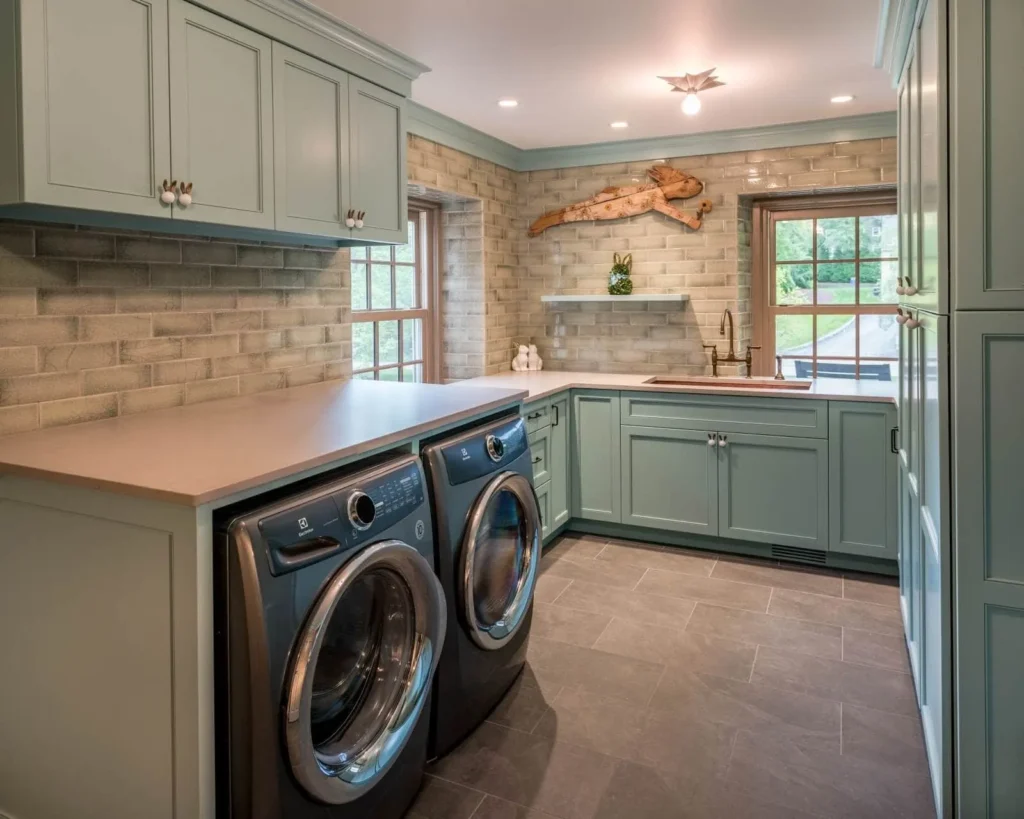
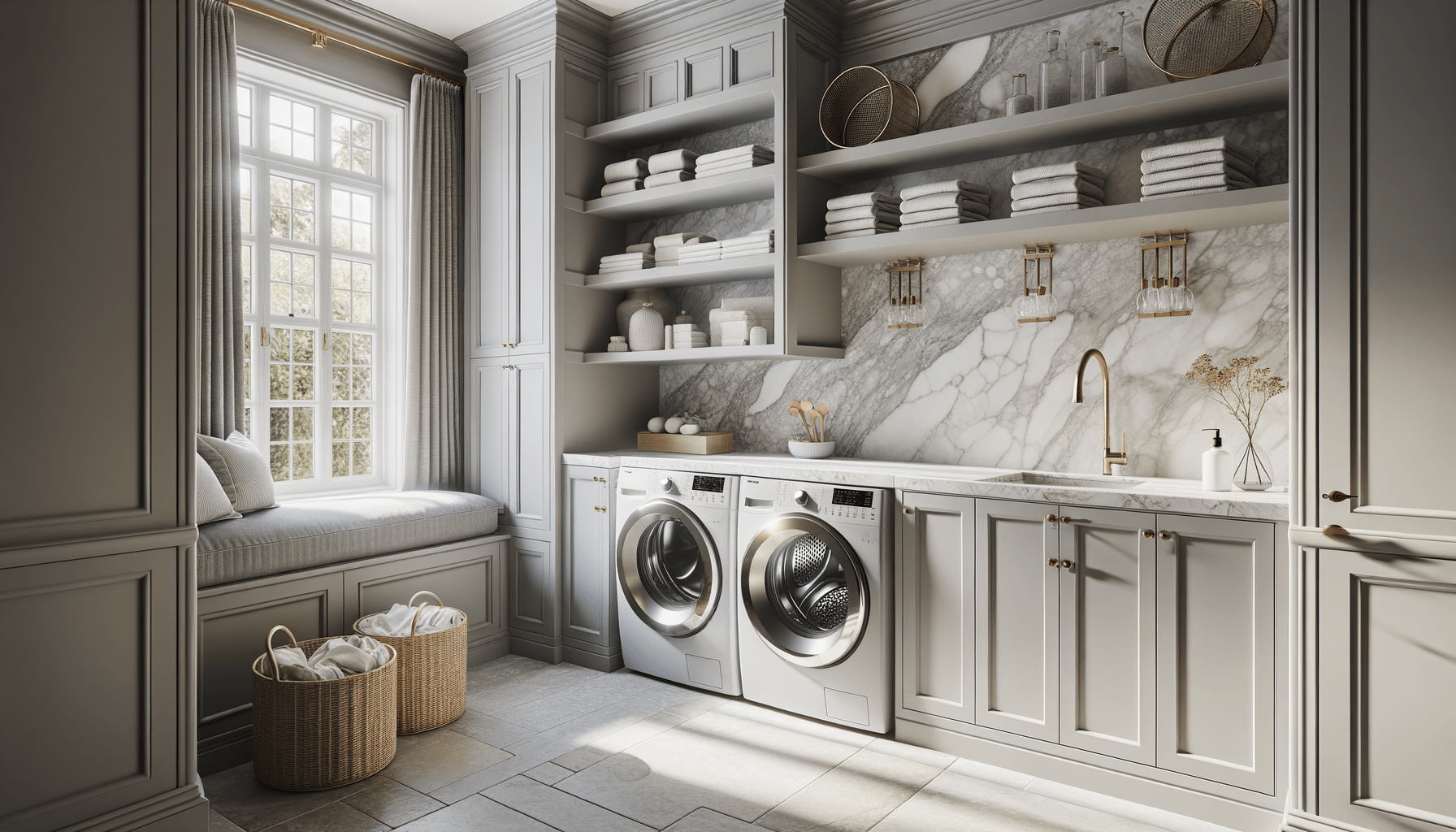
Soft blue, sage, or muted green mosaic tiles behind the utility sink add fresh color while handling splashes effectively. Limit color to one focused area so the overall room remains calm and functional.
Small mosaics create visual interest without complicating floor maintenance.
16. Large Neutral Tiles with Dark Grout
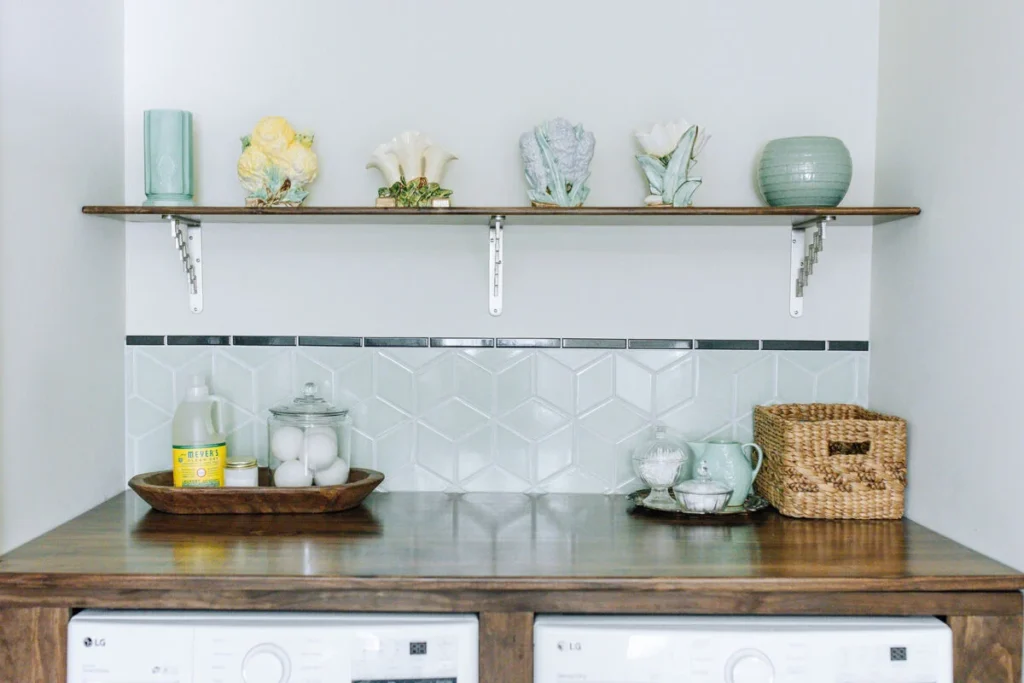
Large-format neutral porcelain paired with contrasting dark grout delivers sharp, clean lines and a contemporary edge. The darker grout defines tiles clearly and conceals dirt better between deep cleans.
This combination creates a polished, intentional look popular in modern laundry room makeover ideas.
17. Textured Matte Tiles for Grip and Style
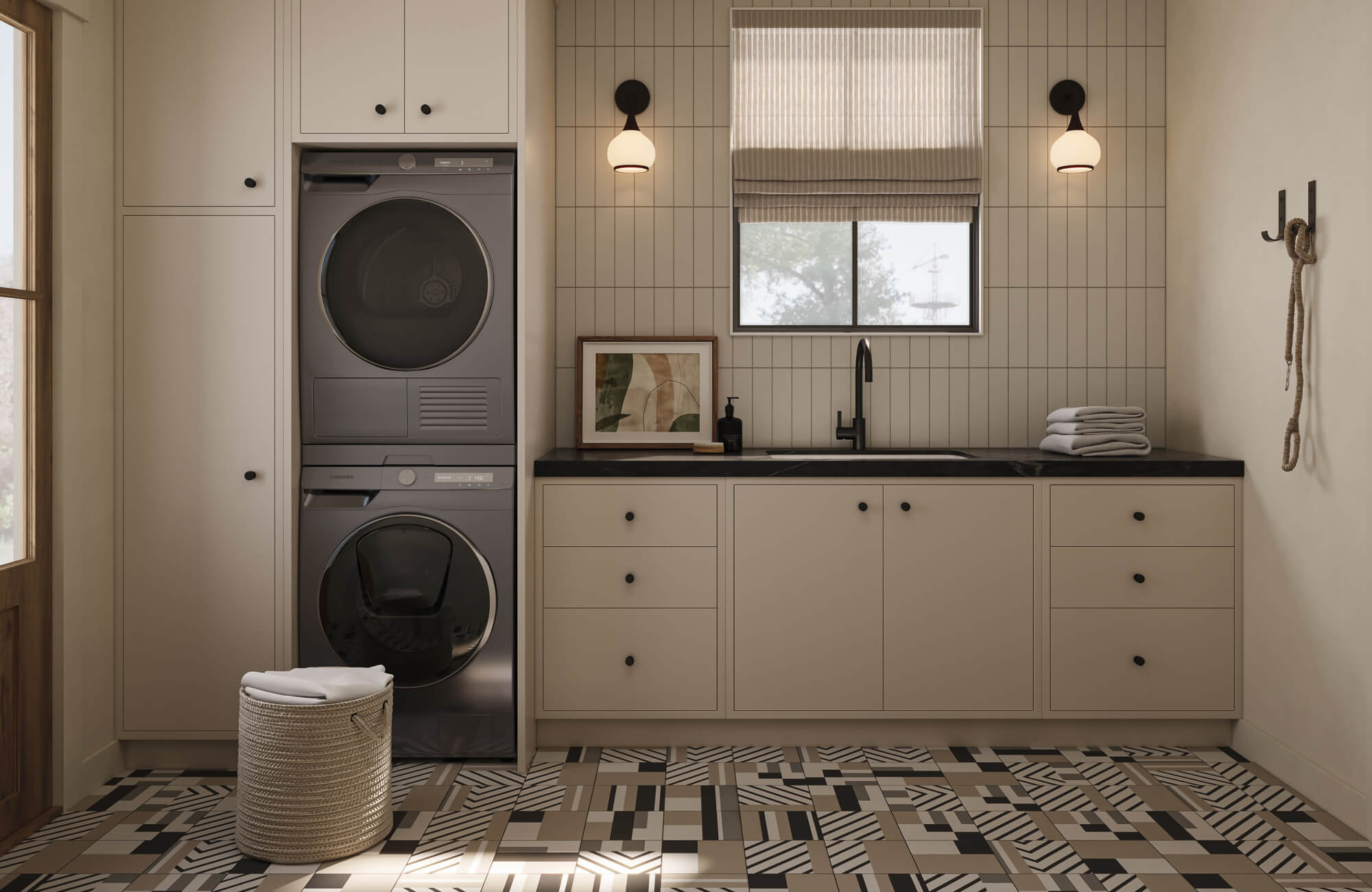
Tiles with subtle texture or a soft matte glaze provide better underfoot traction—crucial near washers and dryers where floors often get wet. Textured surfaces also hide fingerprints and water marks more effectively than high-gloss options.
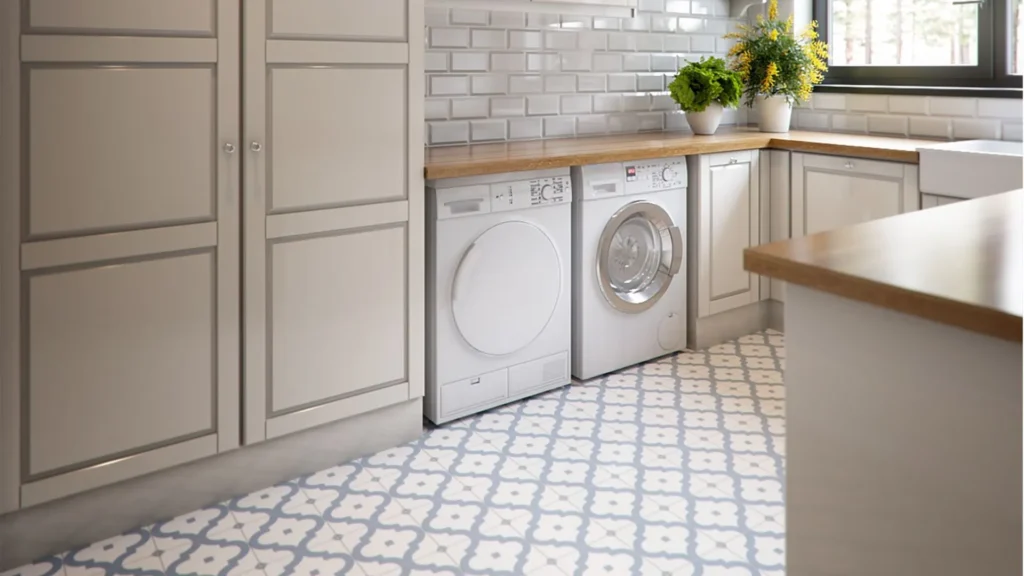
Choosing the Best Tiles for Your Laundry Room
Start with moisture resistance. Porcelain generally outperforms ceramic in consistently wet zones due to its density. For floors, prioritize higher PEI ratings and textured finishes for durability and safety. Backsplashes and walls allow more decorative freedom.
Room size influences choices: small spaces benefit from light colors, larger tiles, and minimal patterns to avoid visual clutter. Larger rooms can handle bolder accents. Factor in your lighting—samples should always be tested in your actual space.
Budget considerations: basic ceramic or quality peel-and-stick options handle many needs affordably, while premium porcelain delivers better long-term value through durability.
Practical Tips for Your Tile Project
Measure twice and add 10-15% extra for cuts and waste, particularly with patterns like herringbone. Ensure the subfloor is level and stable, as appliance vibration can cause issues with poor preparation. Dry-lay tiles first to preview the final pattern and minimize awkward cuts.
Choose grout thoughtfully—epoxy varieties resist stains and moisture best in laundry environments. Combine your tile selection with good task lighting, organized storage, and a moisture-resistant countertop for maximum functionality.
Conclusion
Selecting the right laundry room tile turns a high-traffic chore area into a durable, attractive extension of your home. Prioritize moisture-resistant materials, practical layouts that simplify cleaning, and designs that align with your space and style preferences.
Begin by evaluating your current setup and gathering samples. Small, thoughtful tile choices deliver years of reliable performance while making everyday laundry tasks more enjoyable.
FAQ
What is the best tile for a laundry room floor? Porcelain tile is usually the top choice thanks to its low water absorption, strength under heavy appliances, and straightforward cleaning. Matte or textured finishes add important slip resistance.
Are ceramic tiles suitable for laundry rooms? Yes, especially on walls, backsplashes, or lower-traffic floors. They provide attractive options at a more accessible price point, though porcelain handles constant moisture exposure better overall.
How can I make a small laundry room look bigger with tile? Use large-format light neutral tiles, vertical wall layouts, and minimal grout lines. Avoid busy patterns on both floor and walls simultaneously.
What grout works best in a laundry room? Epoxy grout outperforms standard cement grout because it resists stains, moisture, and mold—particularly valuable around sinks and on floors.
Are peel-and-stick tiles viable for laundry rooms? They work well for renters or temporary updates. Choose waterproof versions with strong adhesive, but note they won’t match the long-term durability of professionally installed porcelain or ceramic.
Can different tile patterns be mixed in one laundry room? Yes. Successful designs often pair a simple floor with a patterned backsplash or accent wall. Keep one surface neutral to maintain visual calm.