How to Keep Rabbits Away from Your Garden Naturally – Effective Tips & Tricks
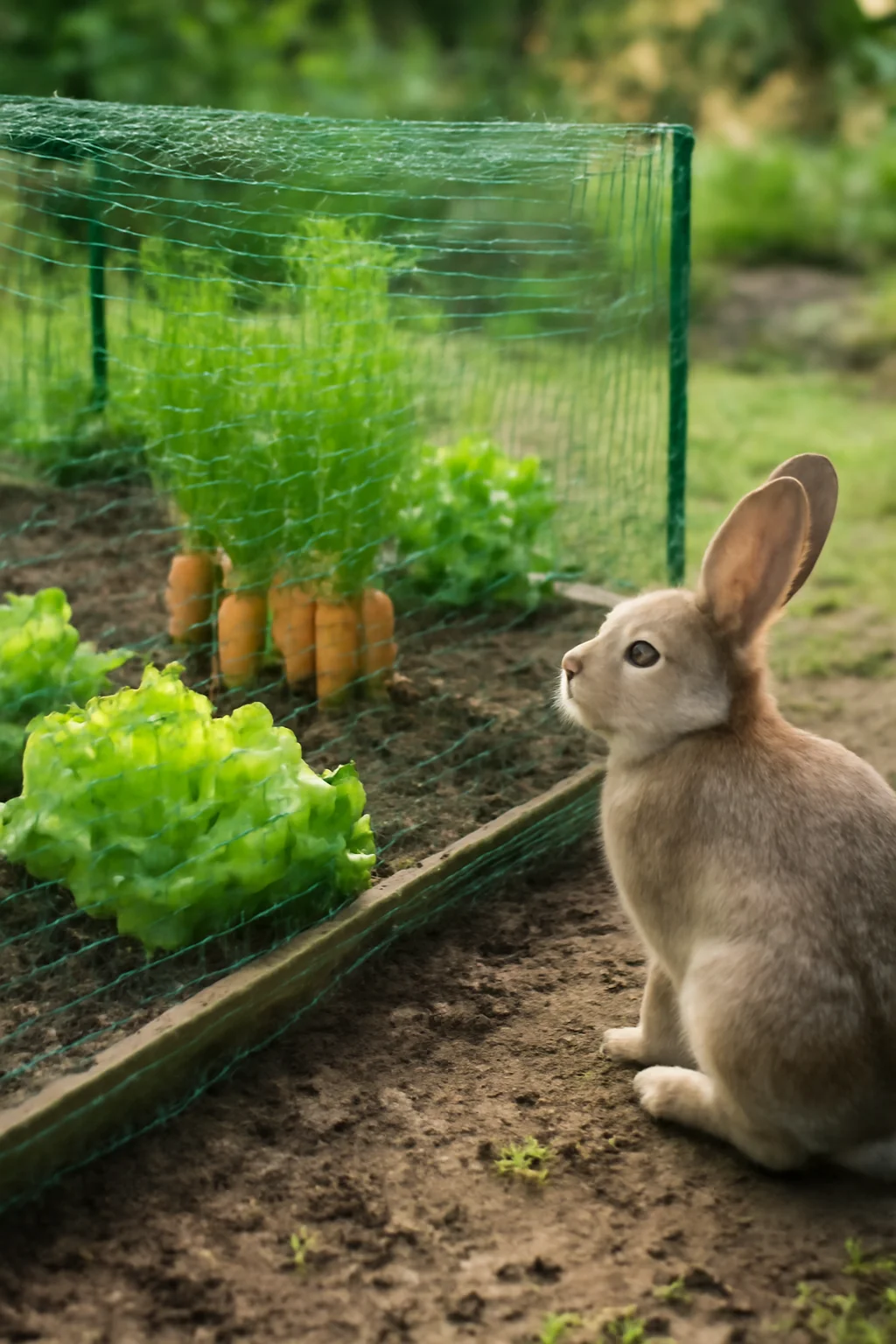
If you’re a gardener, you’ve probably felt the frustration of waking up to find your lettuce, beans, or flowers chewed down to the stem. Rabbits may be cute and harmless-looking, but when it comes to gardens, they can cause major destruction in just a few nights. Unlike deer or larger pests, rabbits are quiet, quick, and persistent, which makes keeping them away a real challenge.
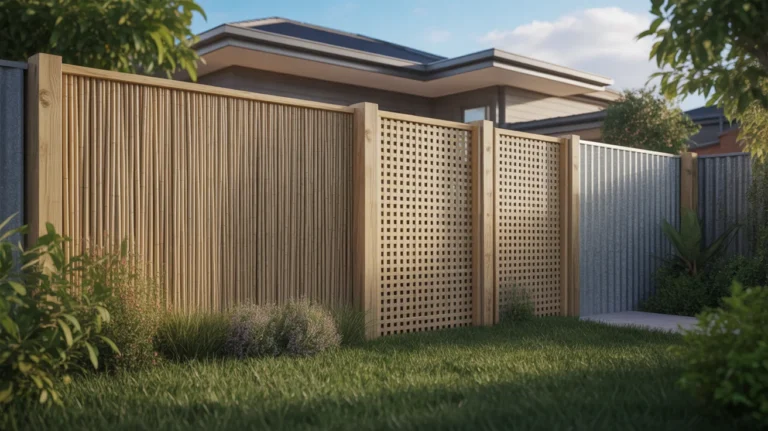
But here’s the good news: you don’t need to harm rabbits to protect your plants. There are proven, humane methods to keep rabbits away from gardens using a mix of barriers, natural repellents, and smart gardening tricks. In this article, we’ll explore 10 effective ways to rabbit-proof your garden, along with pros, cons, and variations for every budget. For more tips on making your outdoor space both functional and private, check out our guide on small backyard privacy ideas.
1. Install a Rabbit-Proof Fence
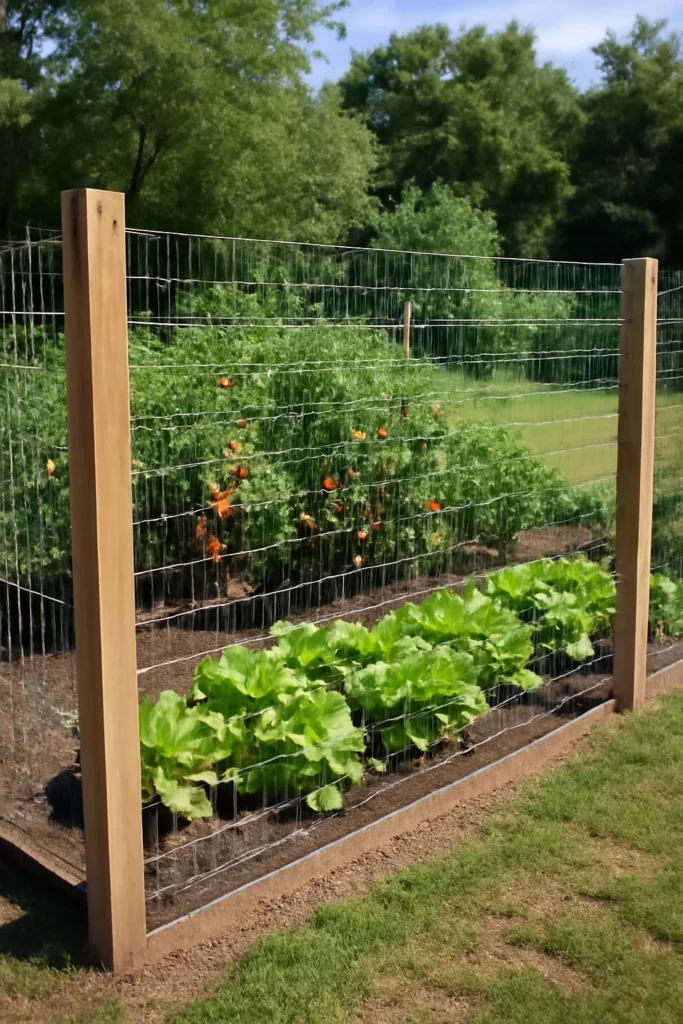
A well-built fence is the most reliable long-term solution.
- How it Works: Use hardware cloth or chicken wire with openings no larger than ½ inch. The fence should stand at least 2 feet tall (rabbits rarely jump higher) and be buried 6–8 inches into the ground to prevent digging.
- Variation: For extra protection, bend the bottom of the wire outward in an “L-shape” underground.
- Pros: Long-lasting, highly effective, works for other pests too.
- Cons: Requires effort and some cost to set up.
2. Use Natural Rabbit Repellents
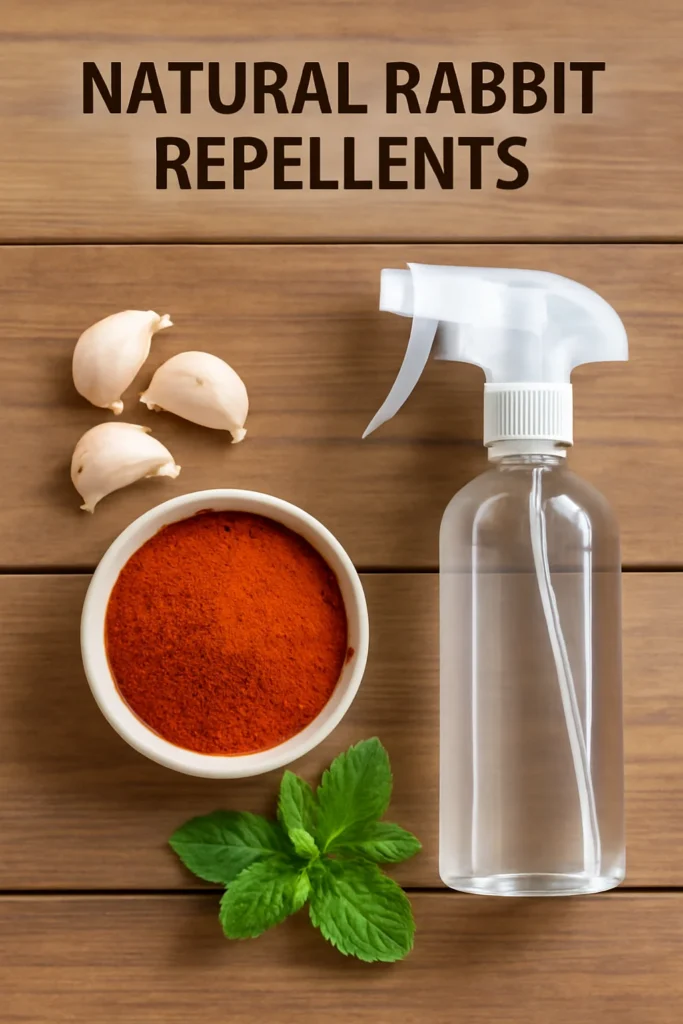
Homemade or commercial repellents can discourage rabbits with smells or tastes they dislike.
- DIY Recipes:
- Garlic & Chili Spray: Blend garlic cloves and chili powder in water, then spray on plants.
- Vinegar Spray: Diluted vinegar sprayed around the perimeter.
- Commercial Options:
- Many garden stores sell eco-friendly rabbit repellents with predator urine scents or bitter-tasting ingredients.
- Pros: Affordable and easy to apply.
- Cons: Needs reapplication after rain.
3. Grow Rabbit-Resistant Plants
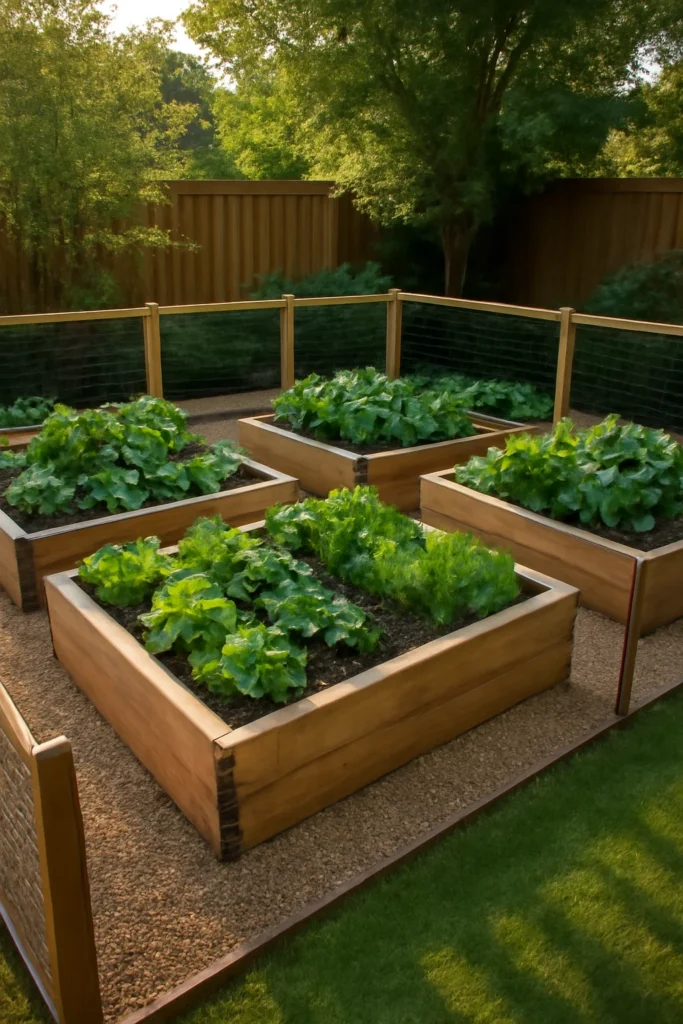
Rabbits avoid certain plants because of their strong scent or taste.
- Examples: Lavender, marigolds, onions, oregano, snapdragons, and catmint.
- How to Use: Plant them around vulnerable crops as a natural border.
- Pros: Doubles as decorative landscaping.
- Cons: Doesn’t stop rabbits if they’re very hungry.
4. Add Physical Garden Barriers
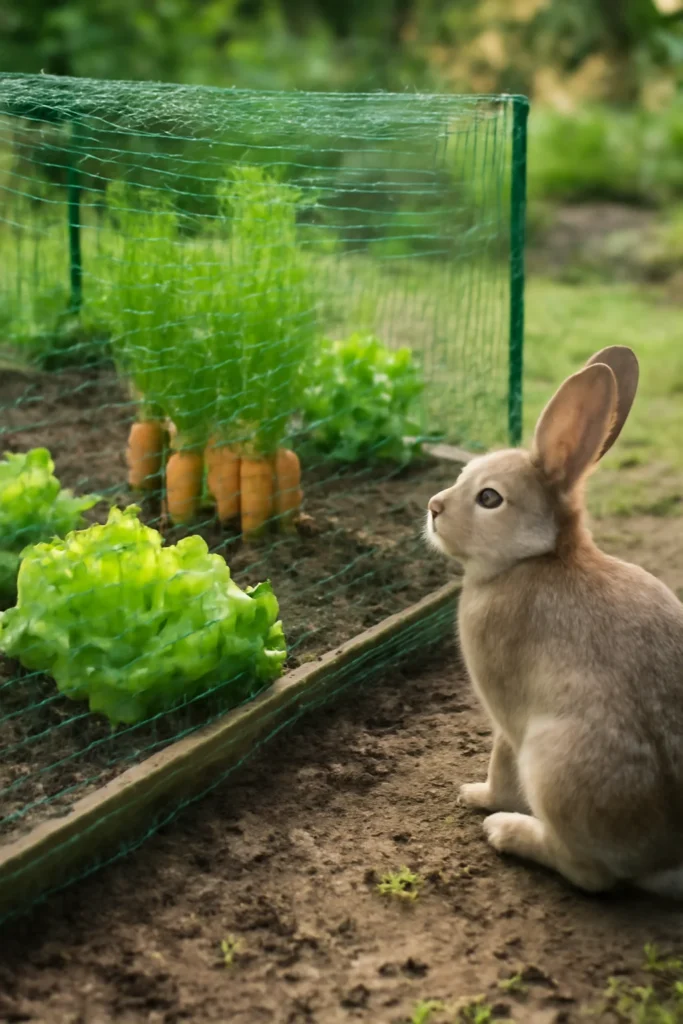
If a full fence isn’t an option, smaller barriers can still help.
- Raised Beds: Elevate vegetables so they’re harder to reach.
- Row Covers: Lightweight garden fabric keeps rabbits out while allowing sun and rain in.
- Mulch Tricks: Use sharp gravel, pine cones, or thorny branches as a ground cover around delicate plants.
5. Motion & Noise Deterrents
Rabbits are timid creatures, easily startled by sudden movement.
- Options:
- Motion-activated sprinklers that spray water when triggered.
- Garden pinwheels, reflective tape, or aluminum foil strips.
- Wind chimes or ultrasonic devices.
- Pros: Humane and reusable.
- Cons: Rabbits may adapt if deterrents remain in the same spot.
6. Remove Rabbit Hideouts
Rabbits like to live near food sources. If your garden provides shelter, they’ll stick around.
- How to Prevent:
- Clear brush piles, tall grass, or wood stacks near your garden.
- Keep weeds trimmed.
- Block access under sheds or decks with wire mesh.
- Pros: Reduces long-term rabbit presence.
- Cons: Requires ongoing maintenance.
7. Protect Individual Plants
Sometimes, covering the plants themselves is easier than fencing the entire garden.
- Options:
- Plastic tree guards for young fruit trees.
- Wire mesh cylinders around vulnerable plants.
- Cloches (glass or mesh domes) for individual vegetables.
- Pros: Great for small gardens or specific plants.
- Cons: Can be time-consuming for larger spaces.
8. Encourage Natural Predators
Rabbits avoid areas where predators are present.
- Options:
- Place owl or hawk decoys in the garden.
- Encourage pets like dogs to patrol the area.
- If possible, attract natural predators such as hawks or foxes by keeping part of your yard wild.
- Pros: Works naturally over time.
- Cons: Not always possible in urban areas.
9. Try Companion Planting
This method combines plants that naturally repel rabbits with those you want to protect.
- Examples:
- Plant garlic or onions alongside lettuce.
- Surround beans with rosemary or basil.
- Pros: Boosts biodiversity and reduces pests.
- Cons: May not be effective on its own.
10. Rotate Methods for Best Results
The most effective approach is layering strategies. A fence plus deterrents plus rabbit-resistant plants creates stronger protection.
- Why Rotation Helps: Rabbits adapt to static environments. Switching repellents or moving deterrents keeps them guessing.
FAQs
Q1: Do coffee grounds keep rabbits away?
Coffee grounds have a strong smell that may deter rabbits temporarily, but they’re not a guaranteed solution. Use them alongside other methods.
Q2: Is it safe to use mothballs in the garden?
No. Mothballs are toxic to pets, humans, and the soil. Avoid using them.
Q3: Will dogs or cats help keep rabbits away?
Yes, pets are natural rabbit deterrents. The smell and presence of dogs or cats often discourage rabbits from visiting.
Q4: Do fake owls or snakes work?
Yes, but only temporarily. Rabbits are smart and will realize decoys don’t move. Combine with other methods.
Q5: What’s the fastest solution if rabbits are already in the garden?
Installing a temporary fence or using repellent sprays are the quickest short-term fixes.
Conclusion
Rabbits may be adorable, but they can wreak havoc on a well-tended garden. The best way to protect your plants is to combine multiple strategies: build barriers, use natural repellents, plant rabbit-resistant flowers, and keep your garden tidy. Over time, you’ll create an environment that discourages rabbits while keeping your garden healthy and thriving.
Start small—try one or two methods today, and add more if needed. With patience and consistency, you’ll soon enjoy a rabbit-free harvest.