
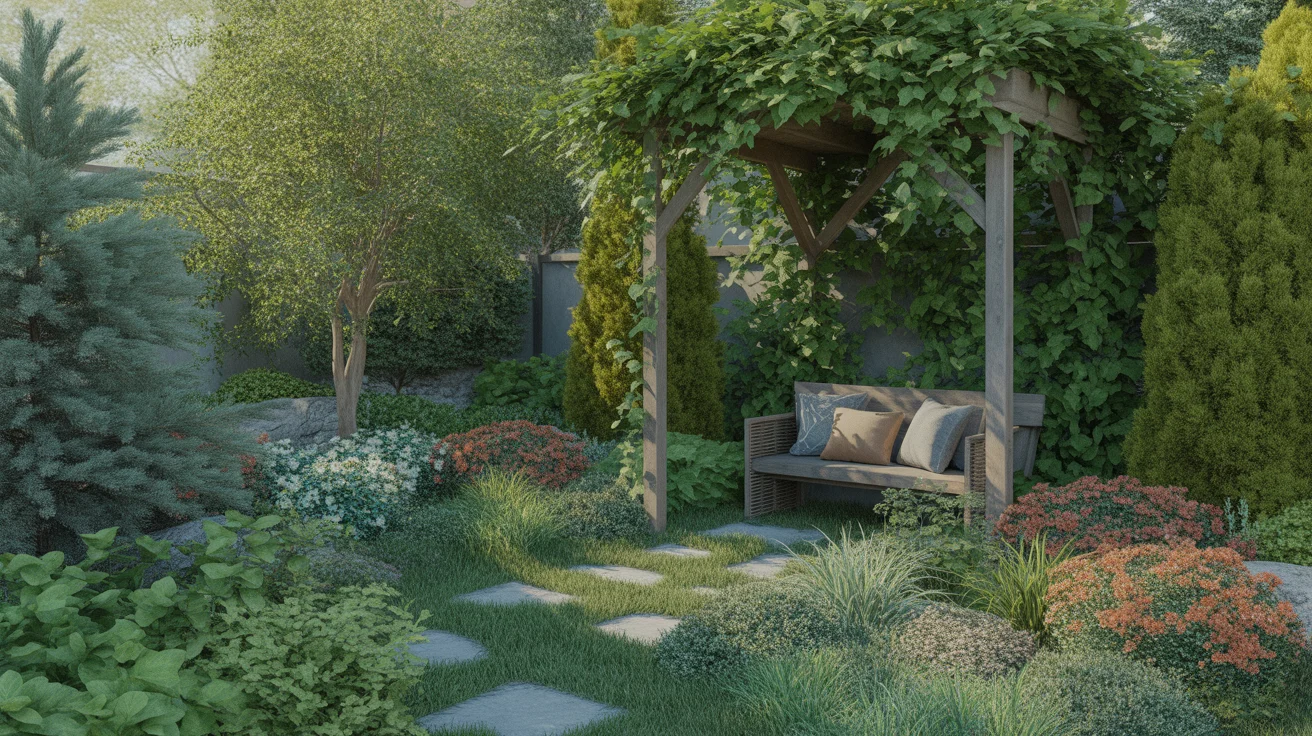
14 Low-Maintenance Garden Ideas to Save Time & Conserve Water
Transform your outdoor space into a stunning, effortless garden that thrives year-round with minimal intervention. This comprehensive guide reveals professional landscaping secrets that will save you time, reduce costs, and create a beautiful sustainable sanctuary.
1. Smart Garden Planning Fundamentals
Creating a successful low-maintenance garden begins with strategic planning that considers your climate, lifestyle, and long-term vision. Professional designers emphasize understanding your site’s unique characteristics before selecting plants or materials.
Climate-conscious design has emerged as the leading trend in 2025, with homeowners prioritizing gardens that work with natural conditions rather than fighting them. This approach dramatically reduces maintenance requirements while creating resilient landscapes that thrive in varying weather patterns.
Key Planning Principles
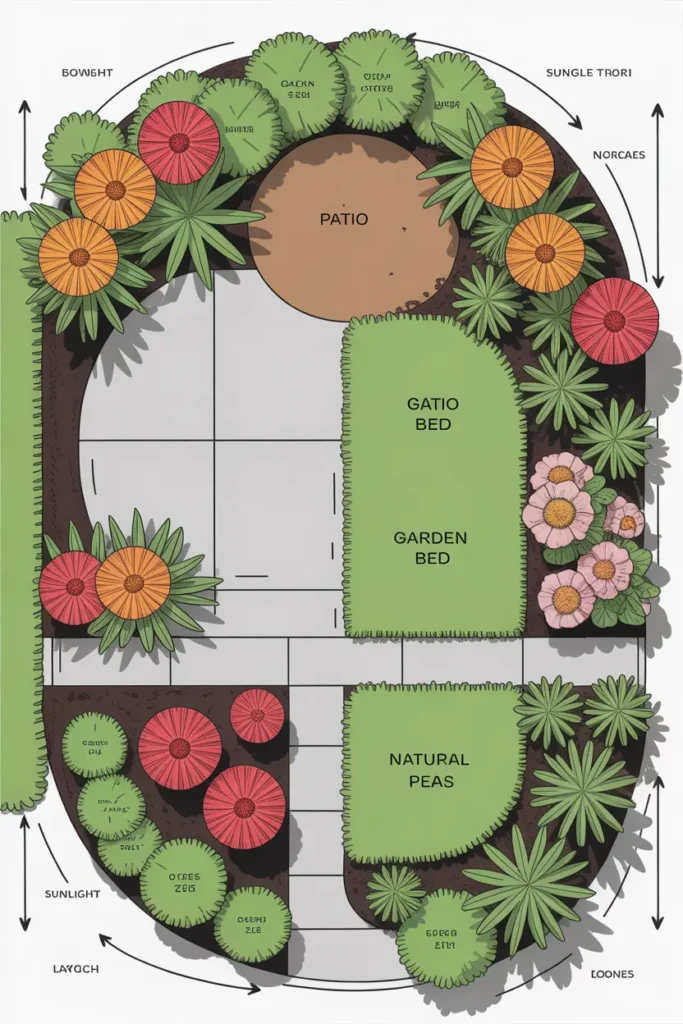
Start by mapping your outdoor space into zones based on how often each area is used. High-traffic spots near patios and walkways should include compact, durable plants that can handle frequent activity, while quieter corners are ideal for low-maintenance or naturalistic plantings that need minimal care.
Consider maintenance accessibility when designing garden beds. Include clear pathways and make sure every plant can be reached easily for pruning, watering, or harvesting. Avoid tight spaces between walls or fences where upkeep becomes challenging.
For year-round beauty, plan your garden with seasonal interest in mind. Choose plants that offer varied bloom times, foliage textures, and winter structure to keep your space visually engaging in every season. And if you love enhancing your indoor spaces too, explore our guide on the best indoor plants for air purification — perfect for bringing fresh air and greenery inside your home.
2. Site Assessment Checklist
Before breaking ground, conduct a thorough site evaluation to inform all design decisions. This professional assessment prevents costly mistakes and ensures plant success.
Essential Site Factors
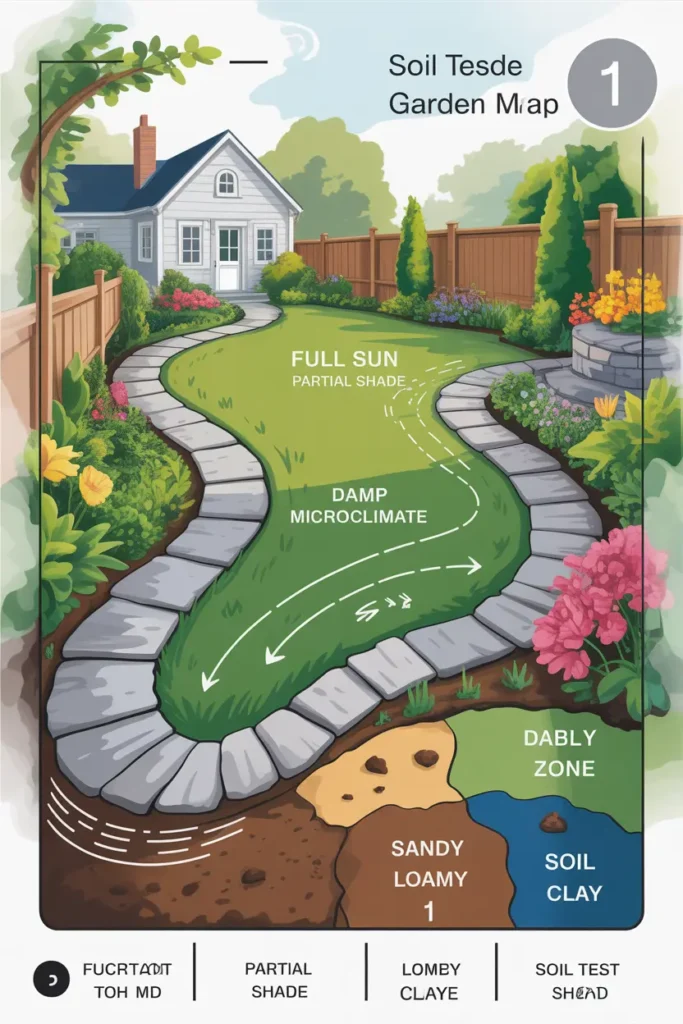
Sunlight patterns: Track sun exposure throughout your property across different seasons. Note areas receiving full sun (6+ hours), partial sun (3-6 hours), and shade (less than 3 hours). Morning sun with afternoon shade often provides ideal conditions for many plants.
Soil conditions: Test soil pH, drainage, and nutrient levels. Most low-maintenance plants prefer well-draining soil, but understanding your existing conditions helps guide plant selection rather than expensive soil amendments.
Microclimates: Identify areas that stay warmer or cooler than surrounding spaces. South-facing walls create warm zones perfect for heat-loving plants, while northern exposures remain cooler and moister.
Water availability and drainage: Map natural water flow during rainfall. Low areas may suit moisture-loving plants, while elevated areas work well for drought-tolerant species. Note proximity to water sources for irrigation planning.
Existing vegetation: Catalog established trees, shrubs, and desirable plants to preserve and incorporate into new designs. Mature plants provide instant structure and habitat value.
3. Plant Selection Strategies
Successful low-maintenance gardening relies on choosing plants naturally suited to your conditions rather than forcing incompatible species to survive with intensive care.
Foundation Plant Categories
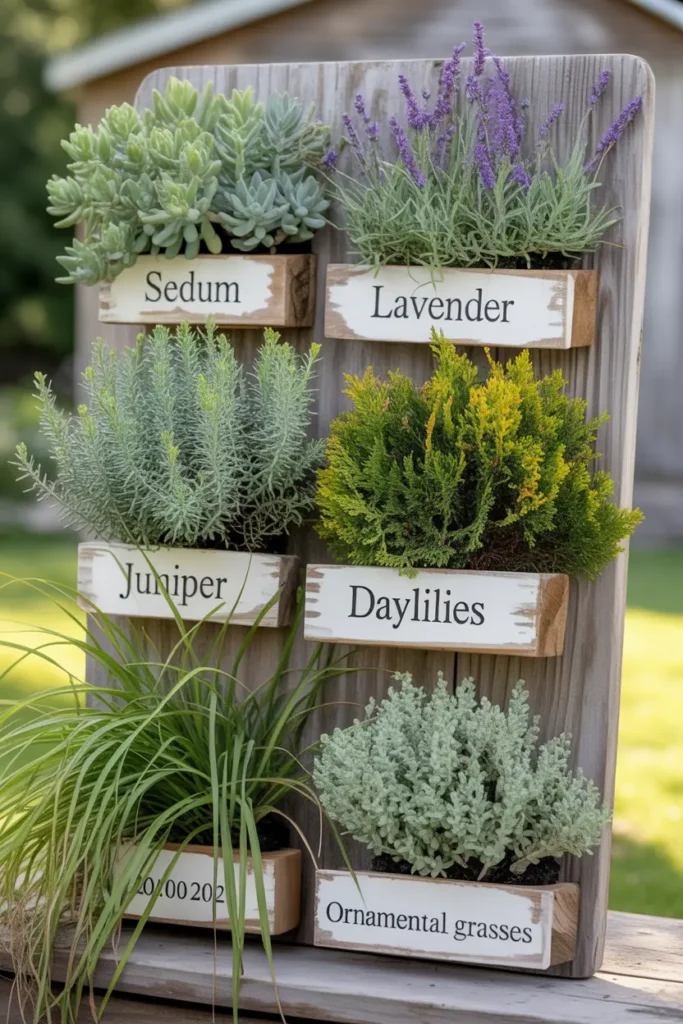
Evergreen structure plants provide year-round backbone with minimal care. Conifers, broadleaf evergreens, and ornamental grasses create permanent framework requiring only occasional pruning.
Drought-tolerant perennials establish deep root systems that access moisture below surface levels. Once established, these plants typically require watering only during extended dry periods.
Self-seeding annuals return each year without replanting. Species like calendula, cosmos, and native wildflowers naturalize easily while providing seasonal color and pollinator habitat.
Plant Compatibility Factors
Group plants with similar water, soil, and sun requirements together. This “hydrozoning” approach allows efficient irrigation and reduces plant stress from incompatible neighbors.
Select plants with naturally compact growth habits to minimize pruning needs. Dwarf cultivars and slow-growing varieties maintain desired size and shape with minimal intervention.
Choose disease-resistant varieties when available. Modern plant breeding has produced cultivars with improved resistance to common pests and diseases, reducing the need for chemical treatments.
4. Native and Adaptive Species
Native plants represent the ultimate low-maintenance choice, having evolved to thrive in local conditions without supplemental water, fertilizer, or pest control once established.
Benefits of Native Plants
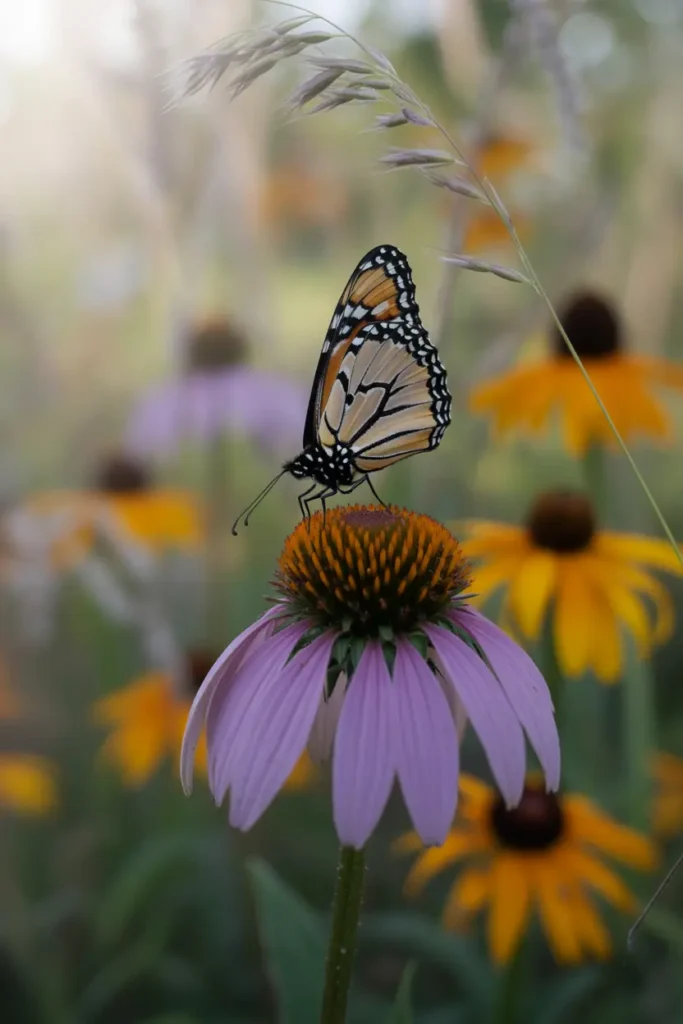
Climate adaptation: Native species tolerate local weather extremes, from summer drought to winter cold, without protection or special care.
Ecosystem support: Native plants provide food and habitat for local wildlife, including pollinators essential for garden health and productivity.
Soil compatibility: These plants grow successfully in existing soil conditions without amendments, reducing establishment costs and ongoing maintenance.
Natural pest resistance: Native plants have co-evolved with local insects and diseases, developing natural defenses that reduce pest problems.
Regional Native Selection
Research plants native to your specific geographic region rather than broadly “North American” species. Local native plant societies and extension services provide excellent resources for appropriate species selection.
Consider “nativars” – cultivated varieties of native plants bred for specific traits like compact size or extended bloom periods. These maintain native benefits while offering improved garden performance.
Prairie plants like purple coneflower, black-eyed Susan, and prairie dropseed work well in sunny areas with poor soil. These species thrive on neglect once established.
Woodland natives such as wild ginger, coral bells, and native ferns excel in shaded areas with rich, moist soil.
5. Low-Maintenance Plant Recommendations
| Category | Species | Zones | Light | Water Needs | Special Features |
|---|---|---|---|---|---|
| Evergreen Shrubs | Juniper (various) | 3–9 | Full sun | Low | Drought tolerant, multiple forms |
| Boxwood | 5–8 | Part sun | Moderate | Dense, shapeable, pest resistant | |
| Holly | 5–9 | Part sun | Low–moderate | Berries, wildlife value | |
| Perennial Flowers | Sedum varieties | 3–9 | Full sun | Very low | Succulent, fall color |
| Daylily | 3–9 | Sun–part shade | Low | Long bloom, adaptable | |
| Ornamental Grasses | Various | 4–8 | Full sun | Low | Movement, winter interest |
| Ground Covers | Creeping phlox | 3–8 | Full sun | Low | Spring flowers, spreading |
| Ajuga | 3–9 | Shade–part sun | Moderate | Purple flowers, fast spread | |
| Pachysandra | 4–8 | Shade | Moderate | Dense evergreen carpet | |
| Drought-Tolerant | Lavender | 5–8 | Full sun | Very low | Fragrant, deer resistant |
| Yarrow | 3–9 | Full sun | Very low | Long bloom, cutting flower | |
| Russian sage | 4–9 | Full sun | Very low | Silver foliage, airy texture |
6. Rethinking the Traditional Lawn
Traditional turf grass requires intensive water, fertilizer, and weekly maintenance that contradicts low-maintenance principles. Modern sustainable landscaping embraces lawn alternatives that provide similar function with minimal care.
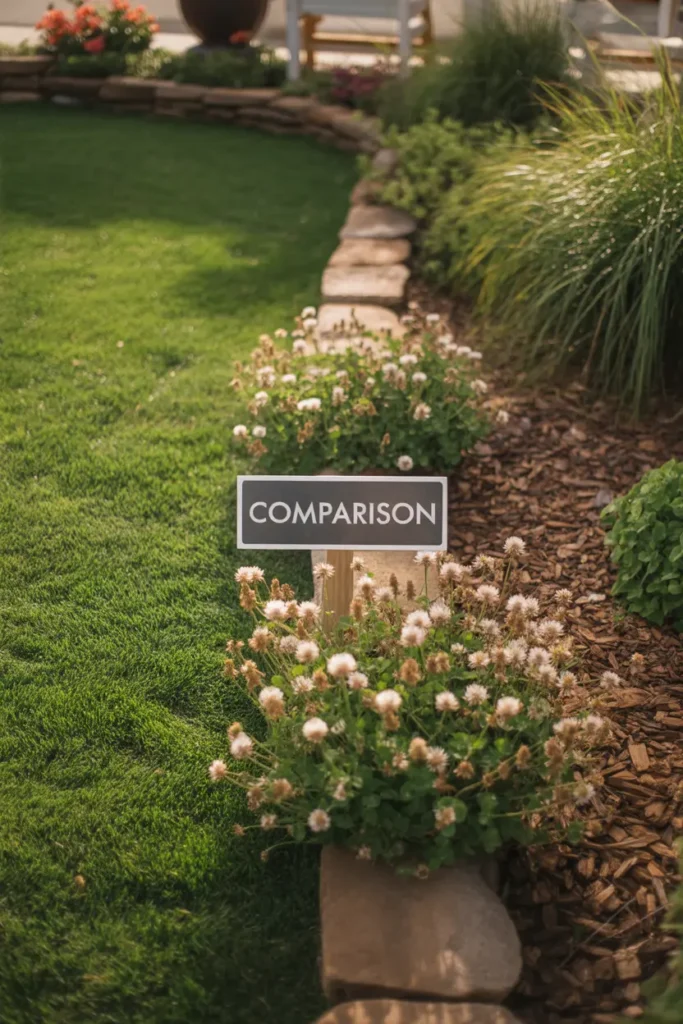
Drawbacks of Traditional Turf
Resource intensity: Conventional lawns consume approximately 30% of residential water usage and require regular fertilizer applications to maintain appearance.
Maintenance demands: Weekly mowing, edging, and seasonal treatments create ongoing labor requirements throughout the growing season.
Chemical dependency: Maintaining pristine green appearance often requires pesticides and herbicides that impact soil health and beneficial insects.
Limited wildlife value: Monoculture grass provides minimal habitat or food sources for pollinators and other beneficial creatures.
Strategic Lawn Reduction
Rather than eliminating all turf areas, identify spaces where grass serves essential functions like children’s play areas or pet exercise zones. Retain these functional areas while converting decorative lawn spaces to lower-maintenance alternatives.
Pathway integration: Replace grass strips between driveways and sidewalks with permeable paving, mulched beds, or drought-tolerant ground covers that eliminate trimming needs.
Border expansion: Widen planting beds around trees, structures, and property edges to reduce mowing requirements while creating habitat and visual interest.
7. Lawn Alternatives
Multiple ground cover options provide lawn-like appearance and function while requiring significantly less maintenance than traditional turf.
Clover Lawns
White clover creates dense, green coverage that stays attractive during drought conditions when conventional grass turns brown. This nitrogen-fixing plant improves soil naturally while requiring no fertilizer applications.
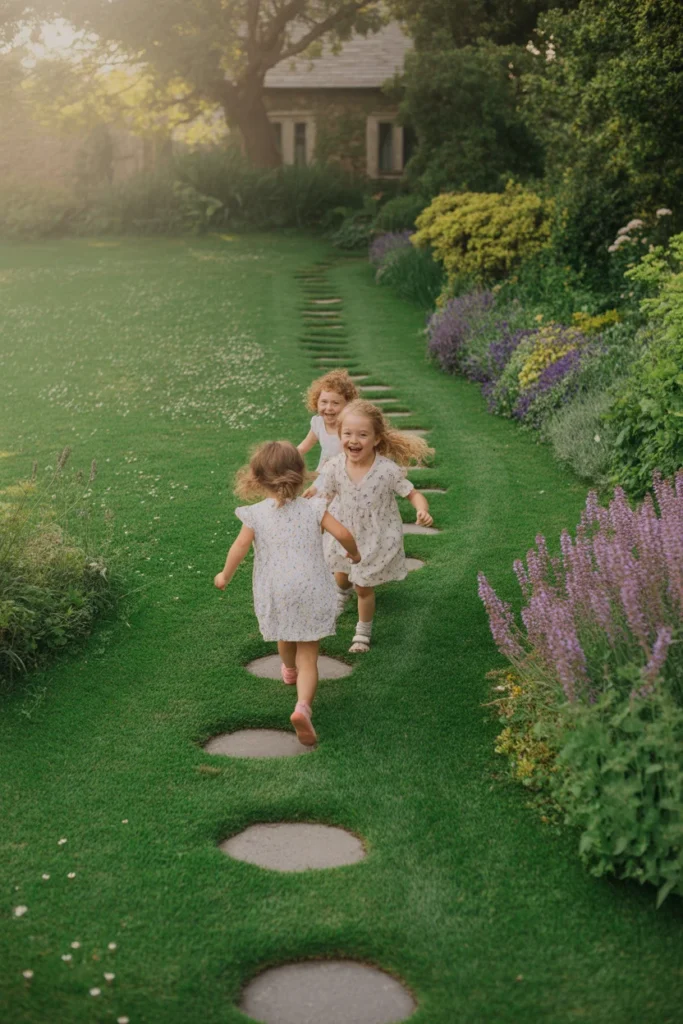
Dutch white clover tolerates moderate foot traffic and produces small white flowers that attract beneficial pollinators. Occasional mowing maintains neat appearance while allowing some blooms for ecological benefit.
Microclover offers finer texture that blends well with existing grass in mixed plantings. This variety requires less frequent mowing and stays green through summer stress periods.
Ornamental Grass Lawns
Buffalo grass and blue grama grass create low-water lawns perfect for arid regions. These native grasses require minimal water once established and can be left unmowed for natural prairie appearance.
Fine fescue varieties work well in cooler climates, providing soft texture with reduced water and fertilizer needs compared to traditional Kentucky bluegrass.
Flowering Ground Covers
Creeping thyme produces fragrant carpet with tiny purple or white flowers. This herb tolerates light foot traffic while releasing pleasant scent when stepped upon.
Chamomile lawns offer apple-scented foliage and small daisy flowers. Roman chamomile stays lower and denser than German varieties for better ground coverage.
Wild strawberry provides edible berries along with attractive white flowers and spreading habit. This native ground cover works well in partially shaded areas.
8. Ground Cover Mastery
Successful ground cover establishment requires understanding each species’ growth habits, spacing requirements, and establishment timeline.
Planting Techniques
Proper spacing ensures complete coverage without overcrowding. Research mature spread of chosen species and space plants accordingly, typically 12-18 inches apart for most ground covers.
Soil preparation improves establishment success. Remove weeds thoroughly and amend soil with compost if drainage is poor, but avoid over-fertilizing which can promote weed growth.
Mulching between plants suppresses weeds during establishment period. Use organic mulch that decomposes naturally, adding soil nutrients as plants spread.
Initial watering supports root development during first growing season. Once established, most ground covers require minimal supplemental irrigation.
Top Ground Covers by Growing Condition
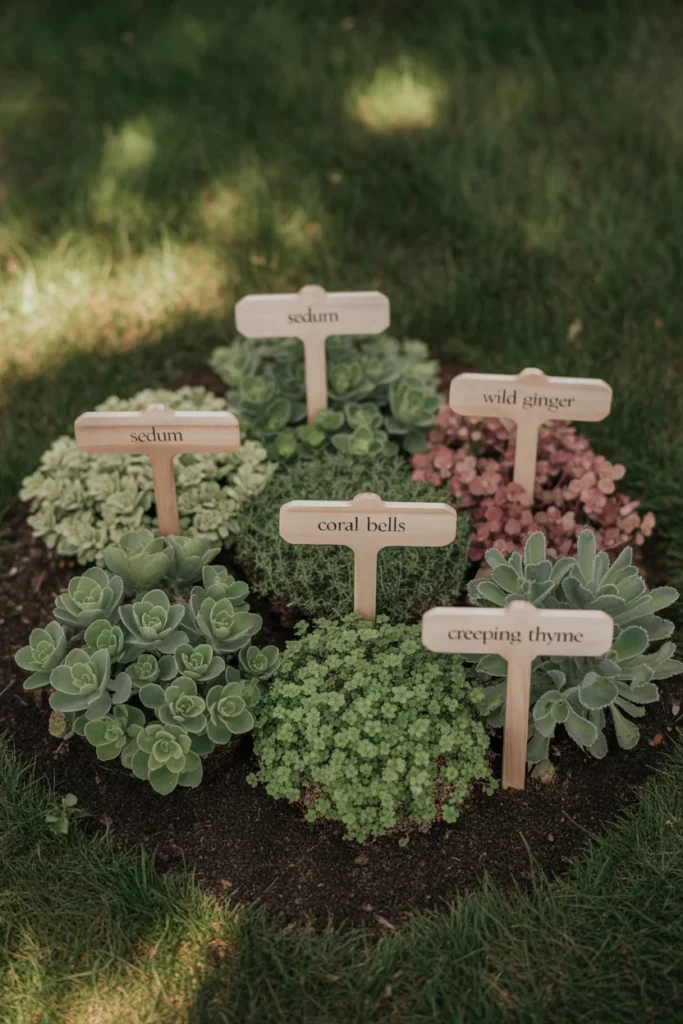
Full Sun, Dry Conditions
- Sedum varieties: Extremely drought tolerant with succulent foliage and colorful flowers
- Lamb’s ear: Silver-gray foliage creates striking contrast with soft, fuzzy texture
- Ornamental grasses: Provide movement and seasonal interest with minimal water needs
Partial Shade, Moderate Moisture
- Coral bells: Colorful foliage in burgundy, lime, or variegated patterns
- Astilbe: Feathery plumes in spring with attractive fern-like foliage
- Japanese painted fern: Silvery fronds add brightness to shaded areas
Full Shade, Moist Conditions
- Hosta varieties: Bold foliage in various sizes and patterns
- Wild ginger: Heart-shaped leaves create dense carpet in woodland settings
- Pachysandra: Evergreen coverage that thrives in deep shade
9. Automated Irrigation Systems
Professional irrigation systems eliminate daily watering chores while ensuring plants receive optimal moisture for healthy growth.
Benefits of Automated Irrigation
Water conservation: Drip irrigation systems use up to 60% less water than traditional sprinklers by delivering moisture directly to root zones with minimal evaporation loss.
Consistent plant care: Automated systems provide regular watering schedules that promote healthy root development and reduce plant stress from irregular moisture availability.
Time savings: Once installed, automated systems require minimal daily intervention, freeing time for other garden activities or leisure pursuits.
Precision watering: Modern systems allow customization of water delivery to match individual plant needs, from thirsty vegetables to drought-tolerant perennials.
System Components
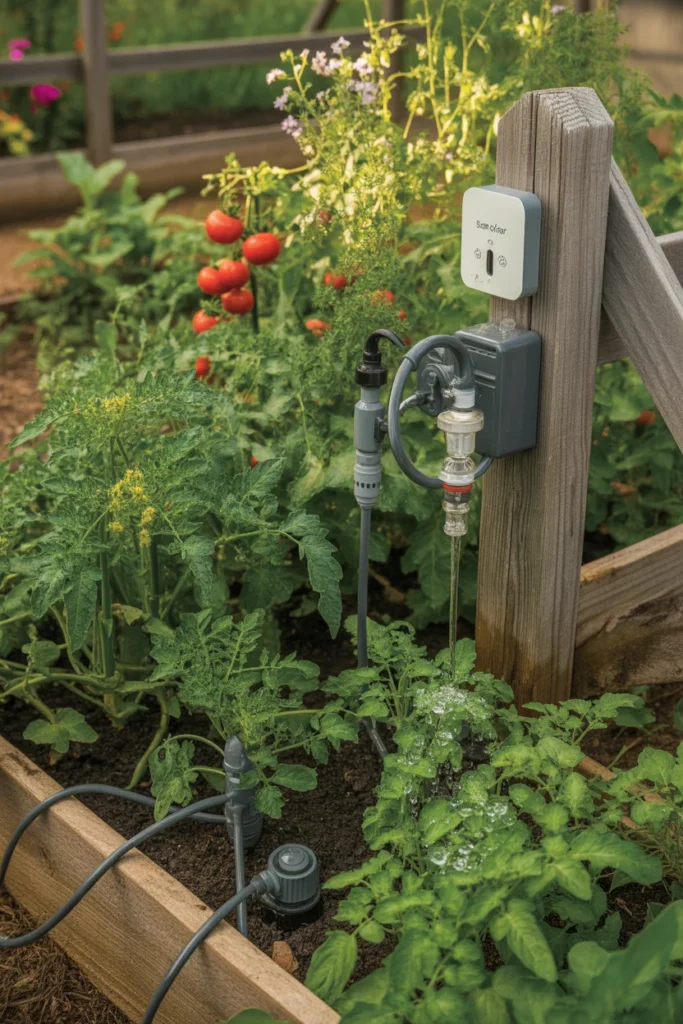
Drip emitters: Deliver slow, steady water flow directly to plant root zones. Available in various flow rates to match different plant requirements.
Soaker hoses: Provide even moisture distribution along entire length, ideal for linear plantings like hedges or vegetable rows.
Smart controllers: WiFi-connected timers adjust watering schedules based on weather conditions, soil moisture sensors, and seasonal plant needs.
Pressure regulators: Ensure consistent water pressure throughout system, preventing emitter damage and ensuring even distribution.
Filtration systems: Remove debris that could clog emitters, reducing maintenance needs and extending system lifespan.
Installation Considerations
Professional installation ensures proper system design and prevents costly mistakes, but many homeowners successfully install basic drip systems using readily available kits.
Zone planning: Group plants with similar water needs together to allow efficient scheduling and prevent over- or under-watering sensitive species.
Seasonal adjustments: Program controllers to increase watering frequency during establishment periods and reduce irrigation as plants mature and develop deeper root systems.
10. Mulching for Weed Suppression
Proper mulching represents one of the most effective low-maintenance strategies, suppressing weeds while conserving moisture and improving soil health.
Organic Mulch Benefits
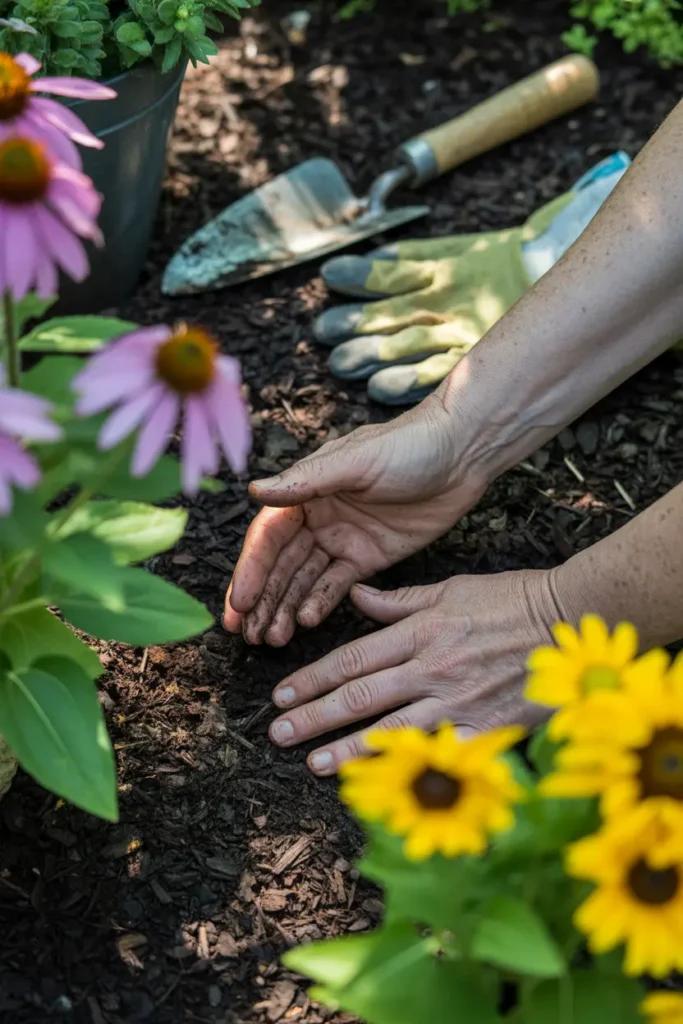
Weed prevention: 3-4 inch layer of organic mulch blocks sunlight from reaching weed seeds, preventing germination and reducing weeding requirements by up to 80%.
Moisture retention: Mulch reduces evaporation from soil surface, maintaining consistent moisture levels and reducing irrigation needs.
Soil improvement: Organic mulches decompose gradually, adding nutrients and improving soil structure without additional fertilizer applications.
Temperature moderation: Mulch insulates plant roots from temperature extremes, reducing stress during hot summers and cold winters.
Mulch Material Selection
Bark chips: Long-lasting option that provides attractive appearance while slowly releasing nutrients as decomposition occurs.
Compost: Rich in nutrients and improves soil biology, though requires more frequent replenishment than bark products.
Straw: Excellent for vegetable gardens and annual beds, breaks down quickly to feed soil organisms.
Stone mulch: Permanent option for drought-tolerant plantings, provides good drainage while suppressing weeds effectively.
Landscape Fabric Considerations
Pros: Landscape fabric under mulch provides long-term weed suppression and reduces mulch migration on slopes.
Cons: Fabric can impede natural soil processes and make future plant additions difficult. Quality varies significantly between products.
Best applications: Use primarily under stone mulch or in high-maintenance areas where permanent weed control justifies potential drawbacks.
Installation tips: Overlap edges by 6 inches and secure with landscape staples every 3 feet to prevent shifting and gap formation.
11. Minimalist Design Principles
Minimalist garden design creates striking visual impact through careful plant selection and strategic placement rather than complex planting schemes requiring intensive maintenance.
Key Minimalist Design Strategies
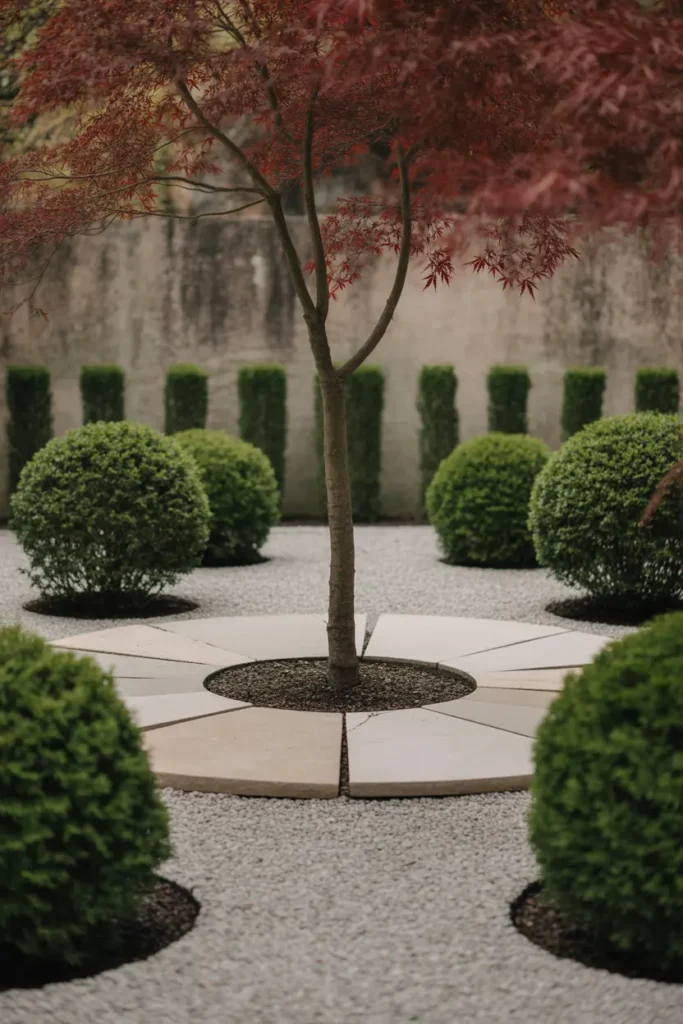
Repetition creates unity: Use same plant species in multiple locations throughout garden to create cohesive appearance without complicated plant combinations.
Bold foliage over flowers: Emphasize plants with architectural foliage that provides year-round interest rather than relying on seasonal blooms requiring deadheading and replacement.
Clean lines and edges: Define garden beds with crisp borders using edging materials or natural stone to create polished appearance with minimal maintenance.
Negative space: Embrace open areas of mulch, gravel, or simple ground cover rather than filling every space with different plants requiring individual care.
Color restraint: Limit color palette to 2-3 complementary hues to create sophisticated appearance without complex seasonal planning.
Structural Elements
Hardscaping integration: Incorporate patios, pathways, and retaining walls to reduce planted area while adding functional beauty that requires no ongoing care.
Evergreen framework: Use conifers and broadleaf evergreens as permanent garden structure, supplemented with selected deciduous plants for seasonal interest.
Focal point development: Create single dramatic element like specimen tree, sculpture, or water feature rather than multiple competing attractions.
12. Container Gardening Solutions
Strategic container placement provides flexibility and concentrated beauty while offering complete control over growing conditions.
Container Advantages
Soil control: Fill containers with ideal soil mix for specific plants rather than amending existing site conditions.
Mobility options: Move containers to optimize sun exposure or create seasonal displays without permanent landscape changes.
Pest management: Elevated containers reduce some pest problems while allowing easier monitoring and treatment when needed.
Water efficiency: Containers require precise watering amounts, eliminating waste while ensuring adequate moisture.
Low-Maintenance Container Strategies
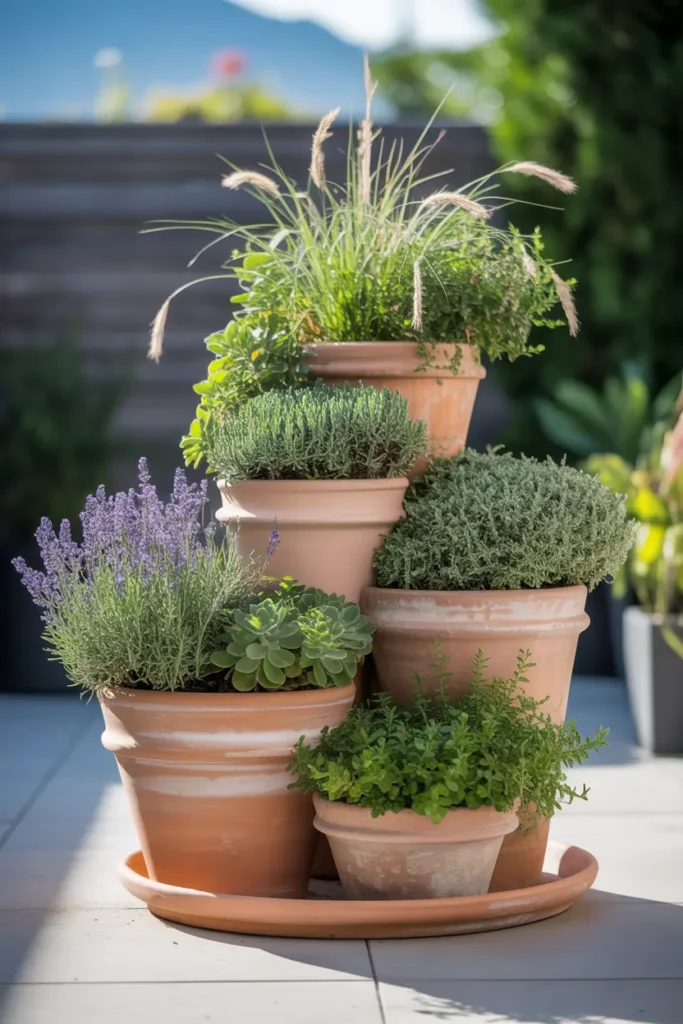
Self-watering systems: Use containers with built-in reservoirs or install drip irrigation to reduce daily watering requirements.
Appropriate sizing: Select containers large enough to support plant growth without frequent repotting, typically 18+ inches for perennials.
Seasonal plantings: Focus on long-season performers rather than frequent replanting, using evergreens and ornamental grasses for year-round appeal.
Mulch application: Top-dress containers with decorative mulch to conserve moisture and suppress weeds.
13. Seasonal Maintenance Calendar
Organized seasonal tasks ensure garden health while concentrating efforts during optimal timing for maximum efficiency.
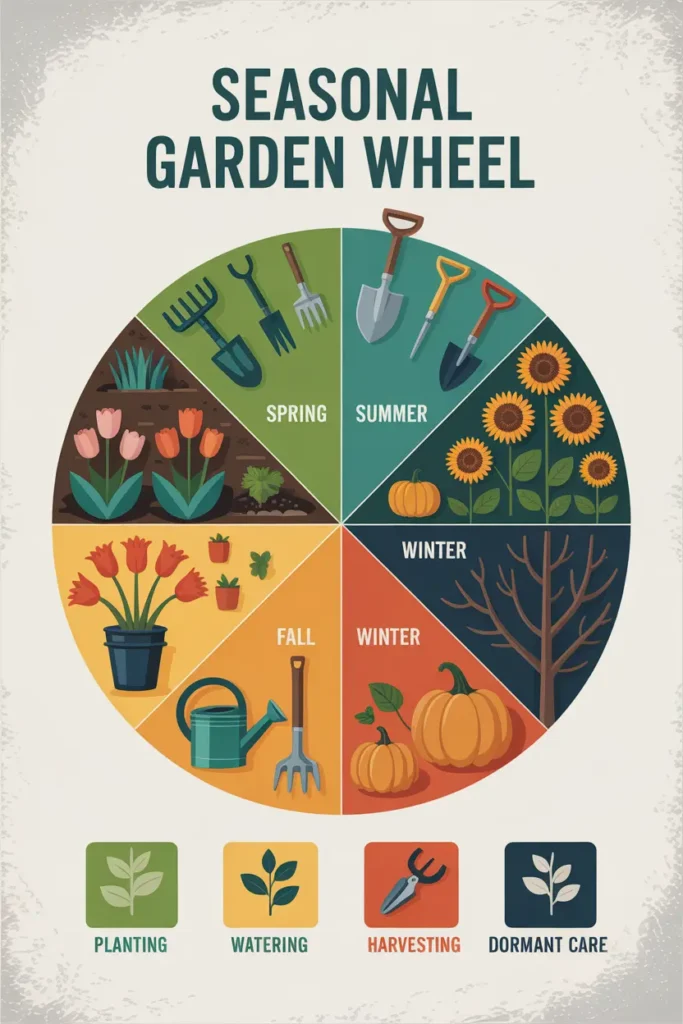
Spring Tasks (March-May)
- Early spring: Remove winter debris and refresh mulch layers
- Soil preparation: Add compost to annual beds and container gardens
- Pruning: Complete dormant season pruning before bud break
- Irrigation check: Test and repair automated systems before growing season
Summer Tasks (June-August)
- Monitoring: Check plant health and adjust irrigation as needed
- Pest management: Scout for problems and treat issues promptly
- Deadheading: Remove spent flowers on repeat bloomers
- Harvest: Collect herbs, vegetables, and cut flowers regularly
Fall Tasks (September-November)
- Plant establishment: Best time for planting trees, shrubs, and perennials
- Seed collection: Gather seeds from self-seeding annuals
- System winterization: Drain irrigation lines in freezing climates
- Final cleanup: Remove diseased plant material and fallen leaves
Winter Tasks (December-February)
- Planning: Research new plants and design modifications
- Tool maintenance: Clean and sharpen garden tools
- Order supplies: Purchase seeds, plants, and materials for spring projects
- Protection: Install plant protection in harsh climates
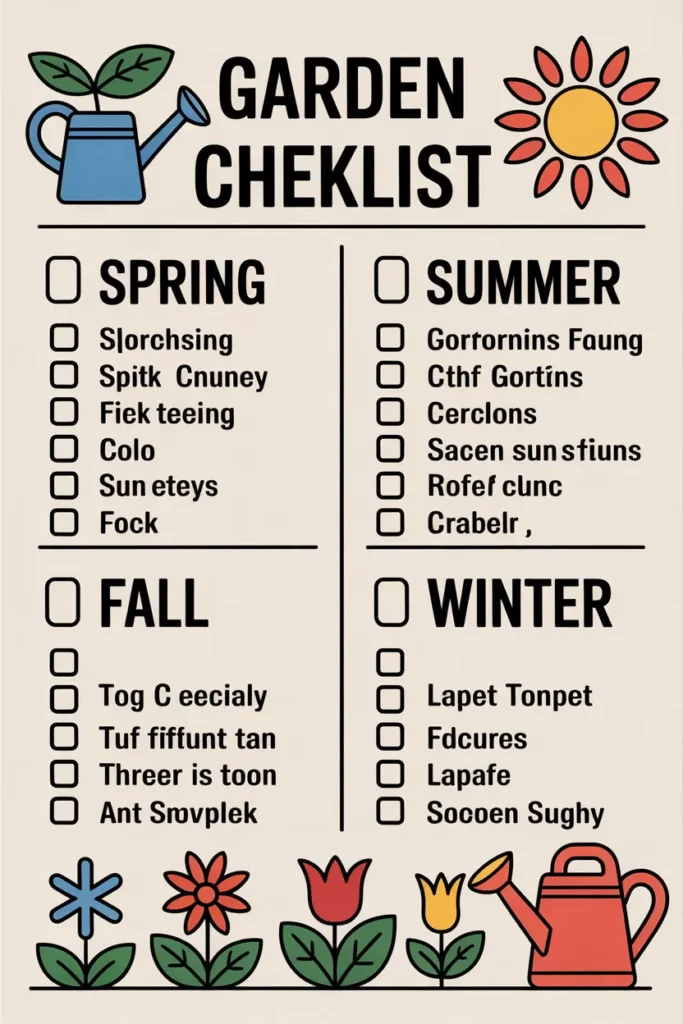
14. Quarterly Maintenance Checklist
Spring Quarter
- Test and repair irrigation systems
- Refresh organic mulch to 3-inch depth
- Prune spring-flowering shrubs after bloom
- Divide overgrown perennials
- Apply slow-release fertilizer to containers
- Plant warm-season annuals after frost danger passes
Summer Quarter
- Monitor soil moisture and adjust irrigation
- Deadhead spent flowers on repeat bloomers
- Harvest herbs and vegetables regularly
- Scout for pest and disease problems
- Install temporary shade for heat-sensitive plants
- Collect seeds from desired plants
Fall Quarter
- Plant trees, shrubs, and hardy perennials
- Reduce irrigation frequency as temperatures cool
- Clean up diseased or damaged plant material
- Protect tender plants from frost
- Order spring bulbs for naturalizing
- Winterize irrigation systems in cold climates
Winter Quarter
- Plan next year’s garden improvements
- Order seeds and plants for spring delivery
- Maintain and sharpen garden tools
- Review and adjust irrigation programming
- Research new low-maintenance plant varieties
- Prepare garden beds for spring planting
Conclusion
Creating a low-maintenance garden doesn’t mean sacrificing beauty. With smart plant choices, efficient watering systems, and thoughtful design, you can enjoy a lush outdoor space that thrives with minimal effort. Whether you’re short on time or want to conserve water, these ideas help you build a sustainable garden that looks great season after season. A little planning today means more relaxation — and less weeding — tomorrow.
FAQS
1. What plants are best for a low-maintenance garden?
Drought-tolerant plants like lavender, succulents, ornamental grasses, and native perennials are ideal. They require less water and care while adding texture and color to your garden.
2. How can I reduce watering needs in my garden?
Use mulch to retain moisture, group plants with similar watering requirements, and install a drip irrigation system to deliver water directly to roots without waste.
3. Do low-maintenance gardens still need fertilizer?
Not often. Compost or slow-release organic fertilizer once or twice a year is usually enough to keep plants healthy without overfeeding.
4. Can I make a small garden low-maintenance?
Absolutely. Choose compact plants, use raised beds or containers, and add self-watering pots to reduce daily upkeep. Even a balcony can become a beautiful, easy-care green space.
5. How do I keep weeds under control naturally?
Lay down mulch or ground cover plants, edge your beds properly, and hand-pull weeds early before they spread. Avoid chemical weed killers to keep your garden eco-friendly.


