15 Stunning Bathtub Ideas to Transform Your Bathroom Remodel in 2025
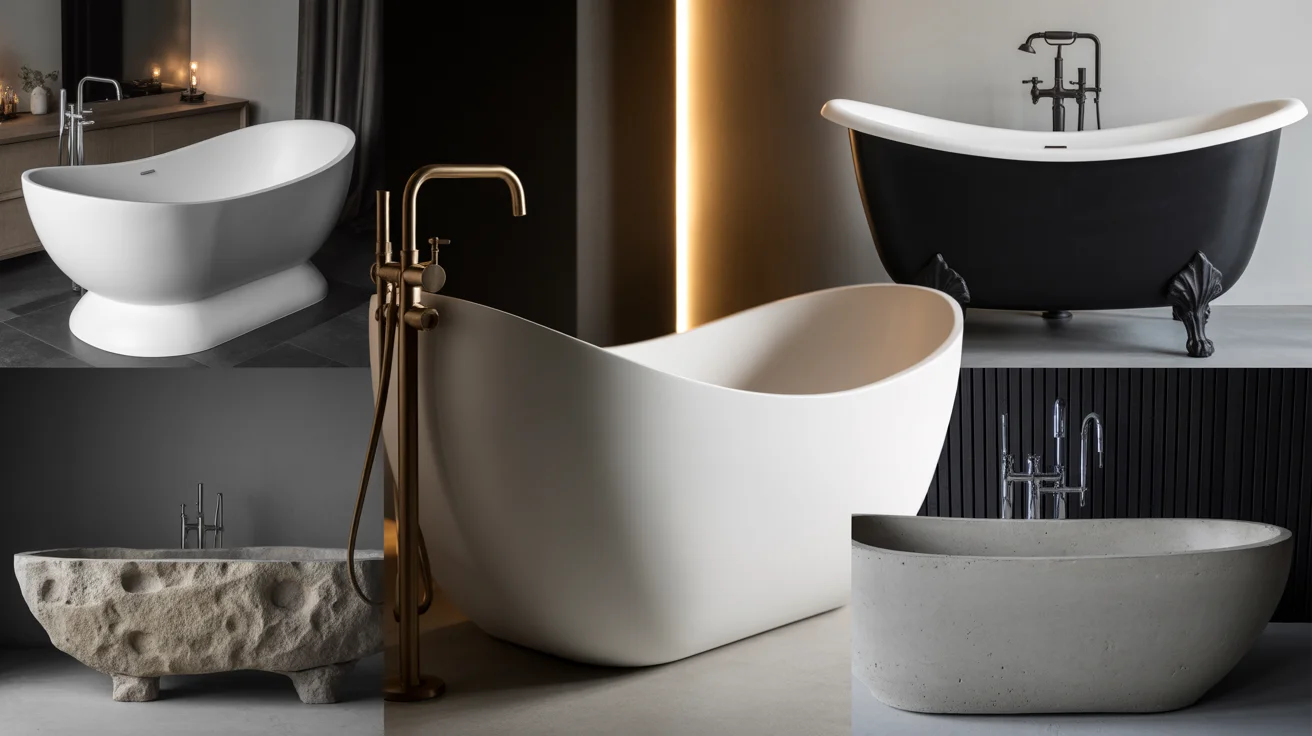
After spending months researching the latest bathroom trends and visiting countless showrooms, I’ve discovered that 2025 is genuinely the year of the bathtub renaissance. Gone are the days when tubs were merely functional afterthoughts tucked into cramped corners. Today’s bathing vessels have evolved into sculptural masterpieces that command attention and redefine our entire approach to home wellness.
Let me walk you through fifteen extraordinary tub concepts that have completely changed my perspective on bathroom design. These aren’t just places to get clean—they’re personal retreats where luxury meets innovation. Pairing these tubs with thoughtfully designed rustic bathroom vanities can elevate both style and functionality in your space.”
1. The Sculptural Stone Statement
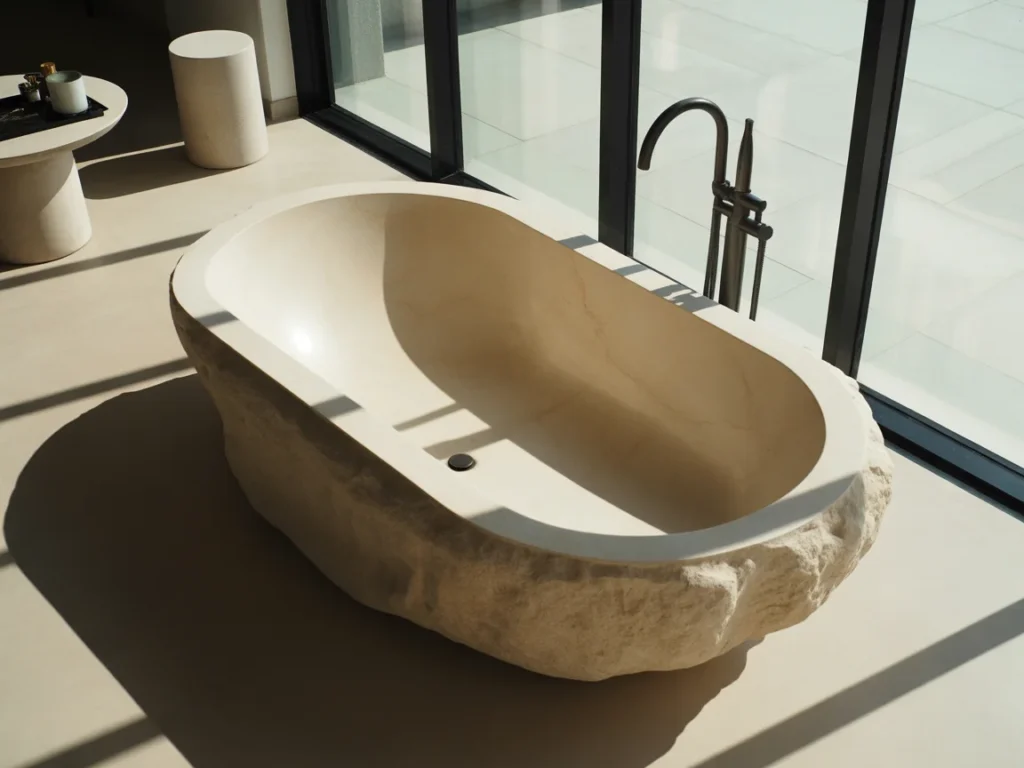
Last month, I encountered a hand-carved travertine tub that stopped me in my tracks. The movement toward natural stone freestanding bathtubs definitely has a “wow factor” and they are a great way to make a strong design statement for bathrooms. What struck me wasn’t just its beauty, but how the stone seemed to breathe warmth into the entire space. These vessels require minimal surrounding decoration—the stone itself becomes the room’s focal point. For more insights on the benefits and design tips for natural stone bathtubs, Architectural Digest has a great guide on freestanding stone tubs
The key lies in selecting materials that speak to you personally. Marble offers timeless elegance, while darker stones like slate create moody sophistication. I’ve seen granite tubs that feel like soaking in mountain springs, each piece telling its own geological story.
2. The Midnight Drama: Matte Black Elegance
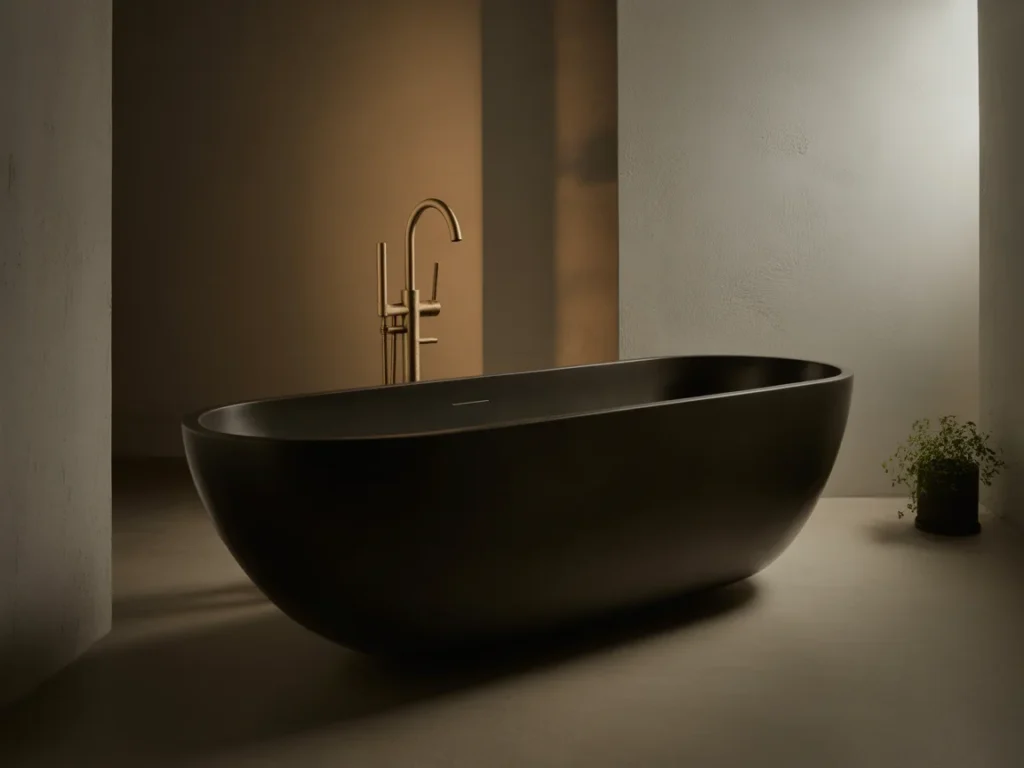
Black creates immediate drama and is extra special when paired with brass. I recently witnessed this combination in a Denver home, and the visual impact was staggering. The matte black finish eliminates glare while adding depth that glossy surfaces simply cannot achieve.
What makes this trend particularly compelling is its versatility. Whether your aesthetic leans contemporary or transitional, black tubs adapt beautifully. The secret is balancing this boldness with lighter elements—think warm oak vanities and bright white fixtures to prevent the space from feeling oppressive.
3. The Hammock Bath: Carbon Fiber Innovation
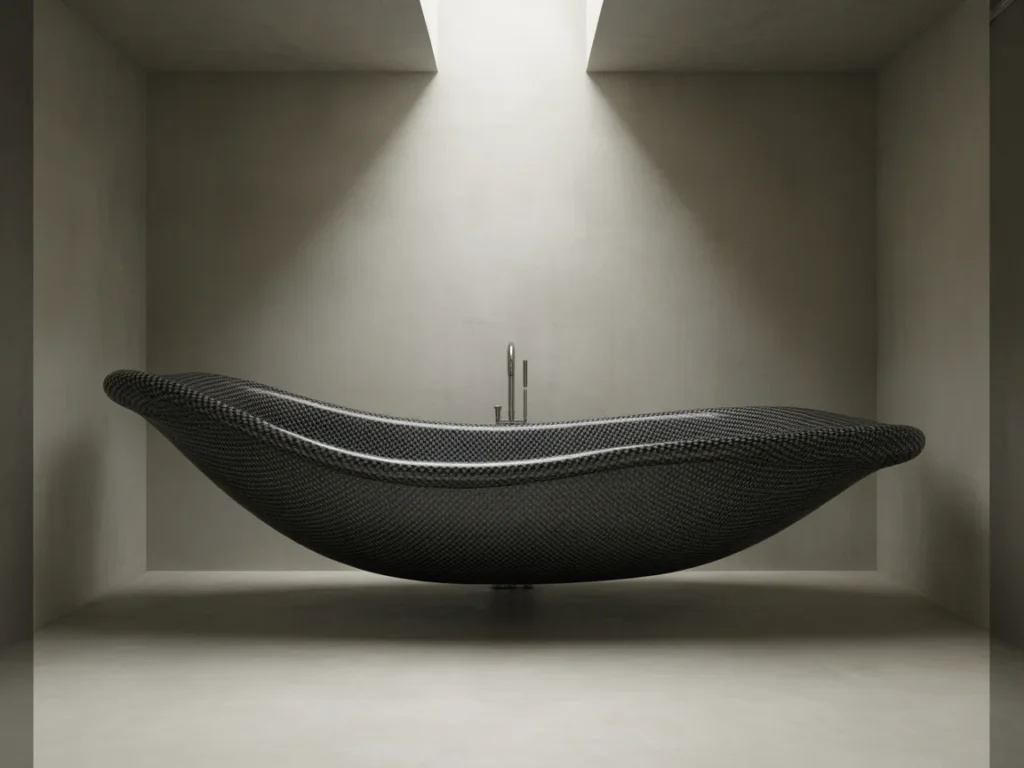
The Hammock Bath is designed to be “the ultimate vehicle for total escapism,” bringing together the relaxation of lounging in a hammock with the comfort of a warm bath. When I first saw this design, I was skeptical. How could carbon fiber—a material I associated with race cars—create a comfortable bathing experience?
The answer lies in the engineering. The lightweight yet incredibly durable construction allows for both suspended and freestanding installations. The woven texture actually adds grip while wet, and the material retains heat surprisingly well. It’s space-age luxury that functions as beautifully as it looks.
Explore some stylish bathroom hardware ideas to elevate your space with elegant knobs, handles, and fixtures.
4. The Jewel Tone Revolution
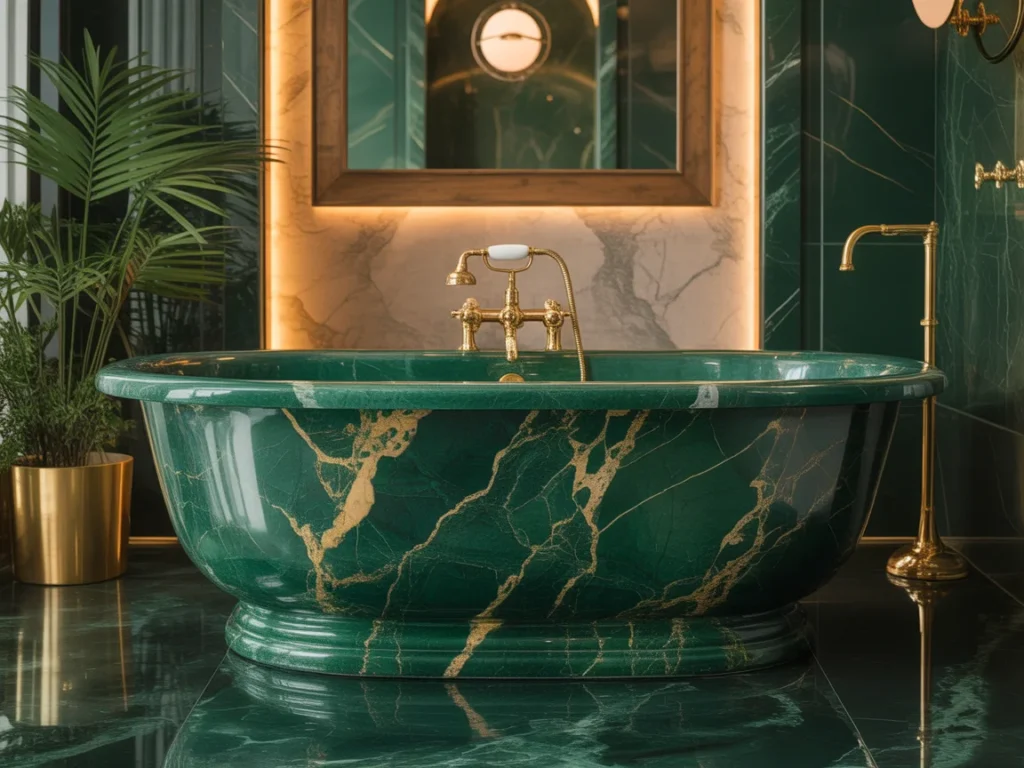
Bold emeralds for sink and shower fixtures shone bright at this year’s industry shows, and the trend extends beautifully to bathtubs themselves. I’ve become obsessed with jewel-toned stone selections that transform bathing into an almost ceremonial experience.
Emerald marble creates an otherworldly ambiance, while sapphire blue stones evoke oceanic tranquility. These bold choices require confidence, but the payoff is a bathroom that feels more like a private gallery than a utilitarian space.
5. The Vintage Revival: Modern Clawfoot Charm
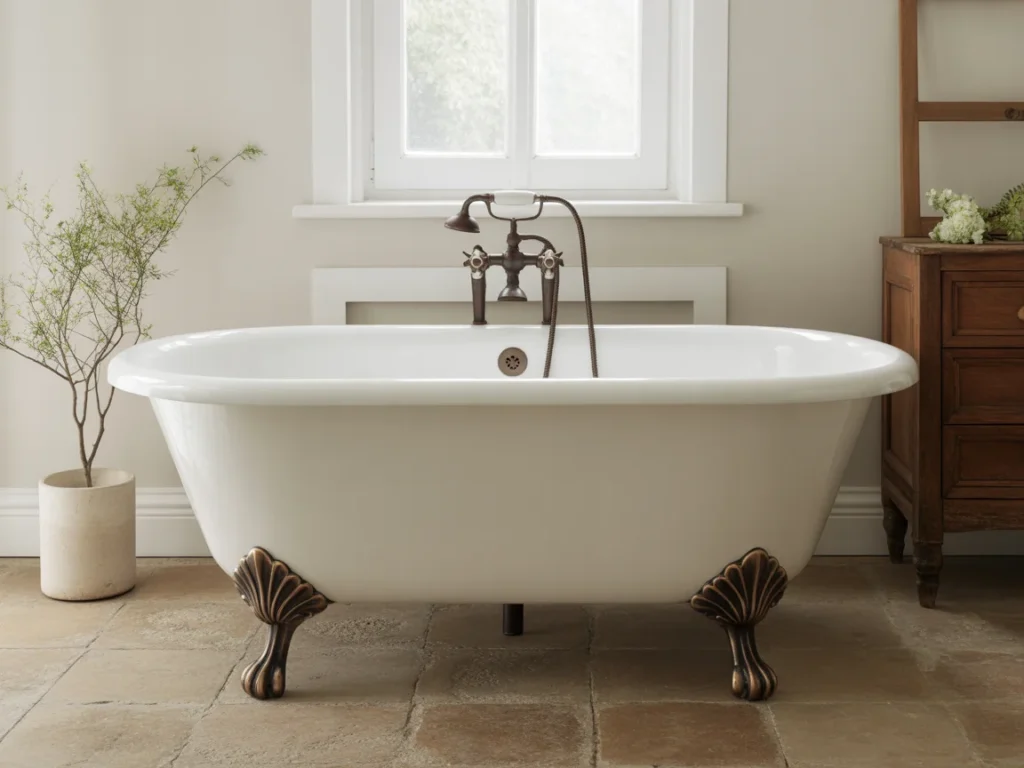
Clawfoot bathtubs are having a moment in 2025—but have they ever really gone out of style? I’ve noticed designers updating these classics with modern materials and finishes. The traditional cast iron construction now comes in contemporary colors, while the iconic claws receive fresh interpretations.
What I love about today’s clawfoot designs is their flexibility. They work equally well in farmhouse settings and urban lofts. The elevated position makes cleaning easier while creating visual lightness that built-in options cannot match.
6. The Concrete Canvas: Custom Curves
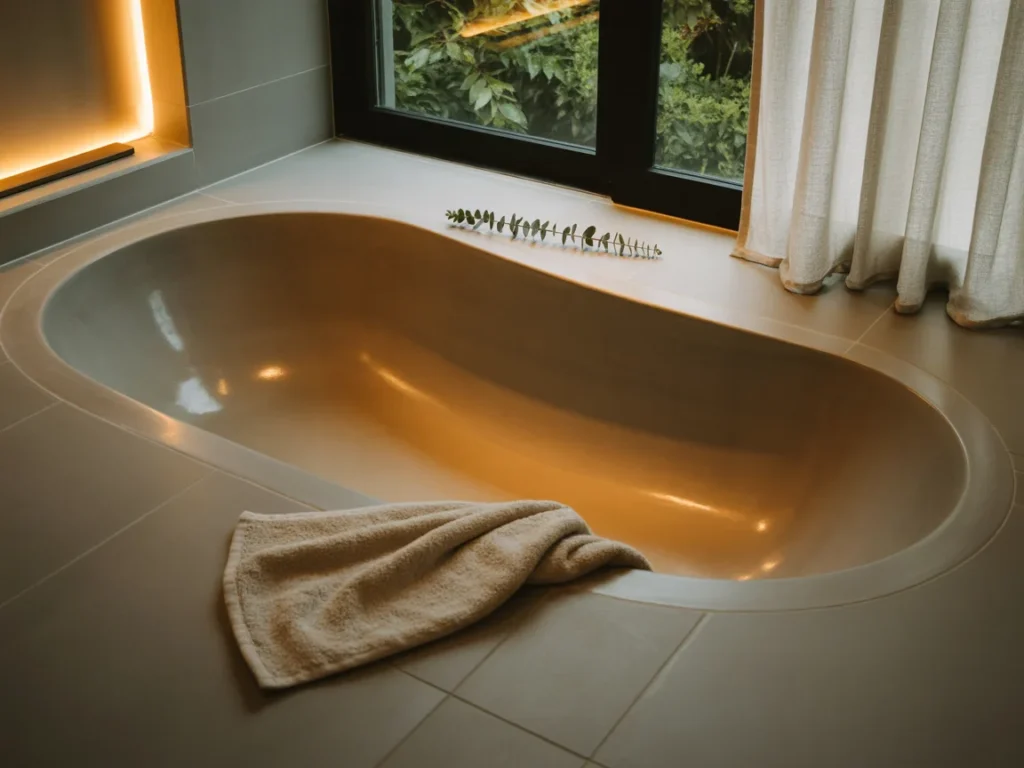
Large freestanding concrete tubs with organic curves are also trending; these premium tubs provide a sleek, modern look that’s perfect for organic modern bathroom designs. Concrete might seem harsh for a bathing vessel, but modern techniques create surprisingly smooth, warm surfaces.
The beauty lies in customization possibilities. I’ve seen tubs molded to fit specific spaces, with integrated armrests and perfectly angled backs. The material retains heat exceptionally well, creating longer, more comfortable soaks. Plus, concrete can be tinted any color imaginable, opening endless design possibilities.
7. The Wet Room Wonder
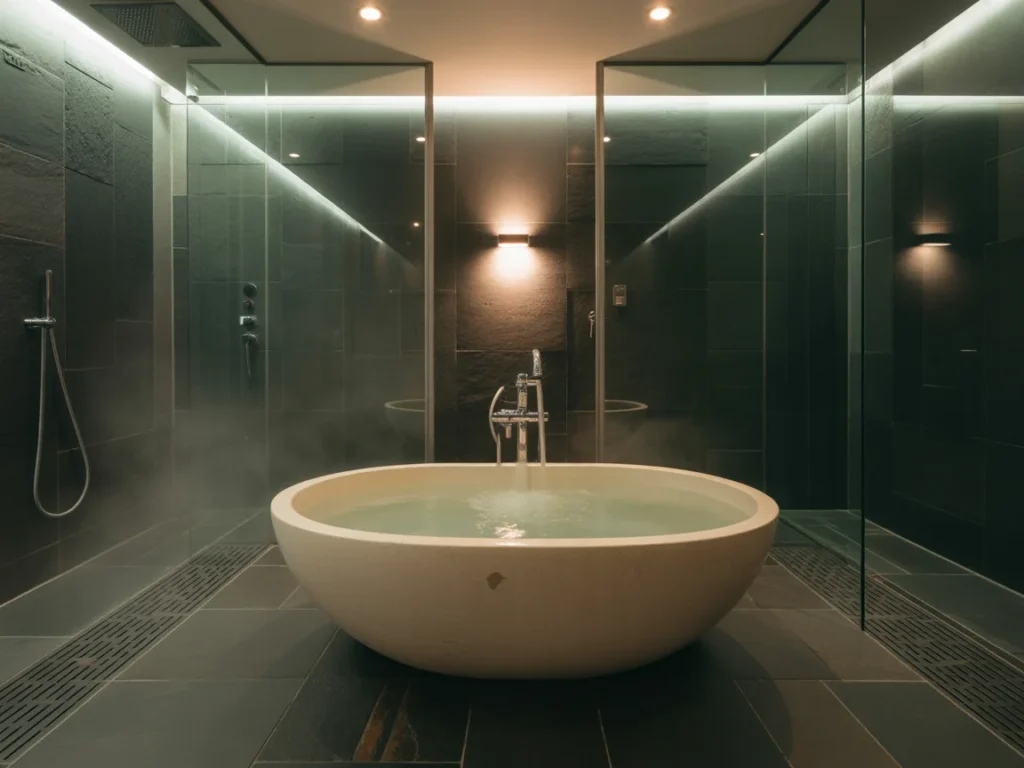
Wet rooms combine the shower and bathtub into one waterproof space that instantly creates a spa-like environment. After experiencing one personally, I understand the appeal. The open layout eliminates barriers between bathing and showering, creating fluid movement throughout the space.
The key to successful wet room design lies in proper drainage and waterproofing. When executed correctly, these spaces feel expansive and luxurious. The freestanding tub becomes an island of calm within the larger wet environment.
8. The Art Deco Statement
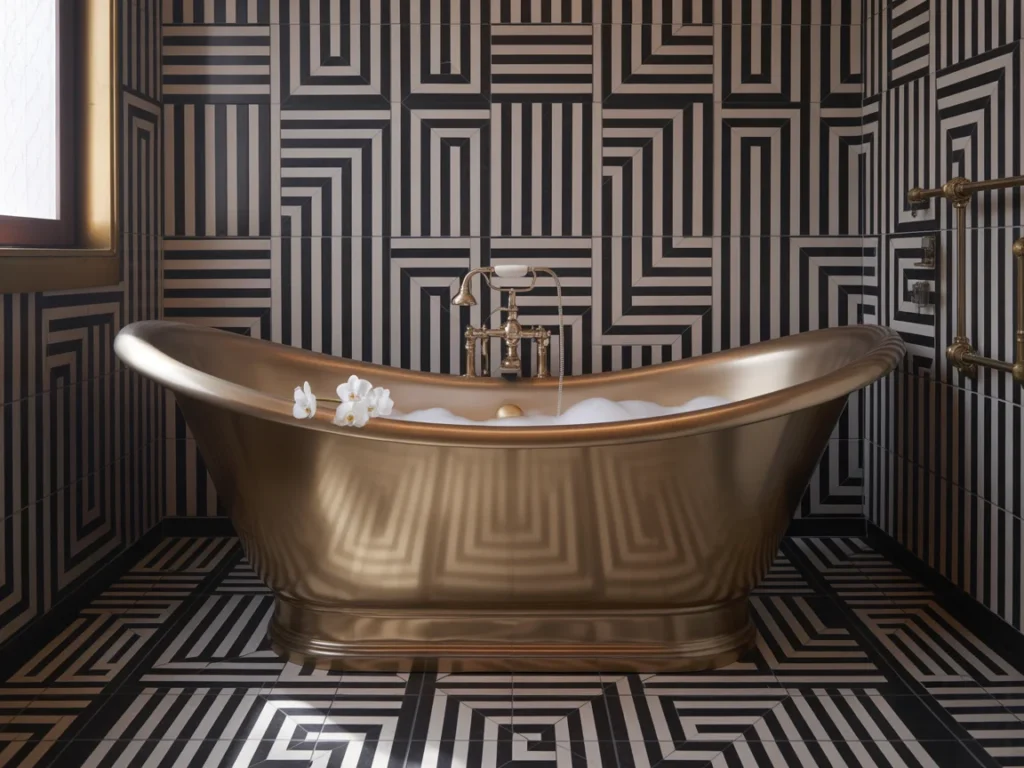
The 1930s brought the popularity of modern Art Deco design as well as traditional Tudor and Colonial revival architecture. This trend resonates strongly with current design sensibilities. I’ve seen stunning interpretations that blend geometric precision with luxurious materials.
Modern Art Deco tubs feature sharp angles softened by quality craftsmanship. The style pairs beautifully with geometric tile work and brass fixtures. It’s glamour with substance, creating bathrooms that feel like private clubs from a more elegant era.
9. The Wooden Wonder: Natural Warmth
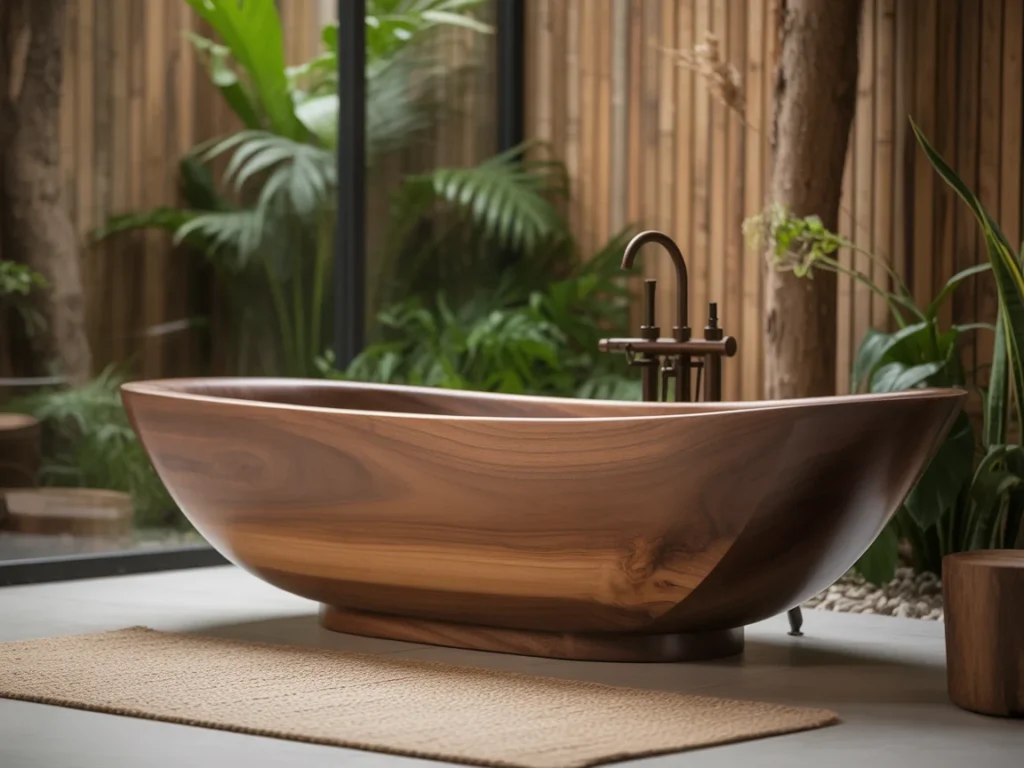
Shell is a delicate wooden bathtub by Austrian architect Nina Mair. The basin was carved from a solid block of walnut by CNC milling machines, then hand polished and oiled to perfection. Wood might seem impractical for bathing, but proper treatment creates surprisingly durable vessels.
The sensory experience is unmatched. Wood feels warm to the touch and creates a connection to nature that synthetic materials cannot replicate. Modern waterproofing techniques ensure longevity while preserving the material’s natural beauty.
10. The Tech-Savvy Sanctuary
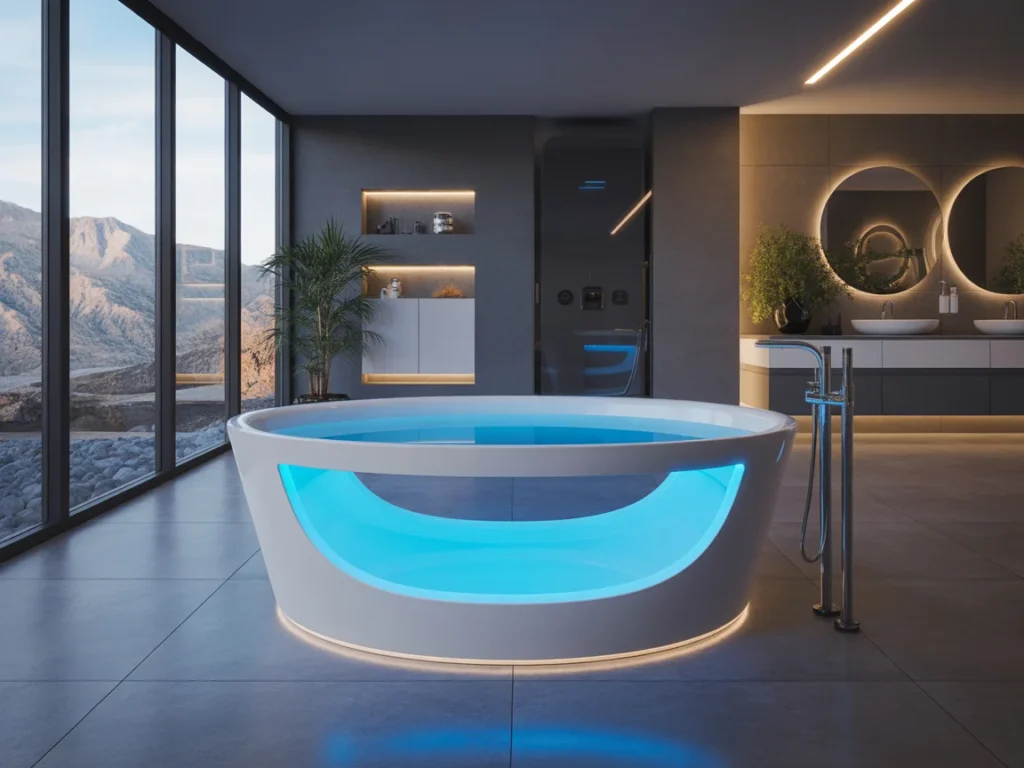
Smart technology transforming our daily routines. In 2025, you can start your day with a smart mirror that provides the latest news, weather updates, and even your schedule. Smart tubs now feature precise temperature control, chromotherapy lighting, and integrated sound systems.
I’ve tested tubs with preset bathing programs that automatically adjust water temperature, lighting, and even aromatherapy diffusion. The technology enhances rather than complicates the experience, creating personalized wellness routines.
11. The Plaster Paradise: Textured Sophistication
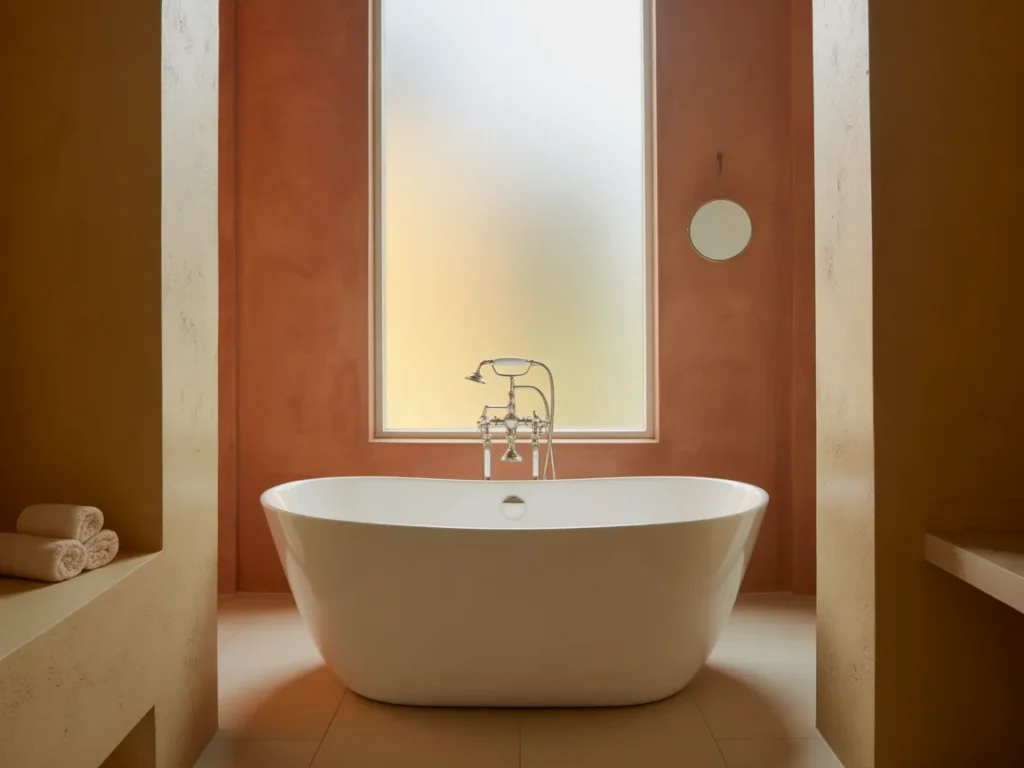
In 2025, I believe we’ll see the continued rise of plaster walls in bathrooms. This versatile trend offers a timeless appeal, whether creating a light and airy ambiance or a dark and moody atmosphere. Plaster creates textural richness that elevates even simple tub designs.
The material’s organic variations add character that perfect surfaces lack. I’ve seen plaster treatments that make standard acrylic tubs appear custom-crafted, proving that surrounding materials significantly impact overall perception.
12. The Color-Drenched Drama
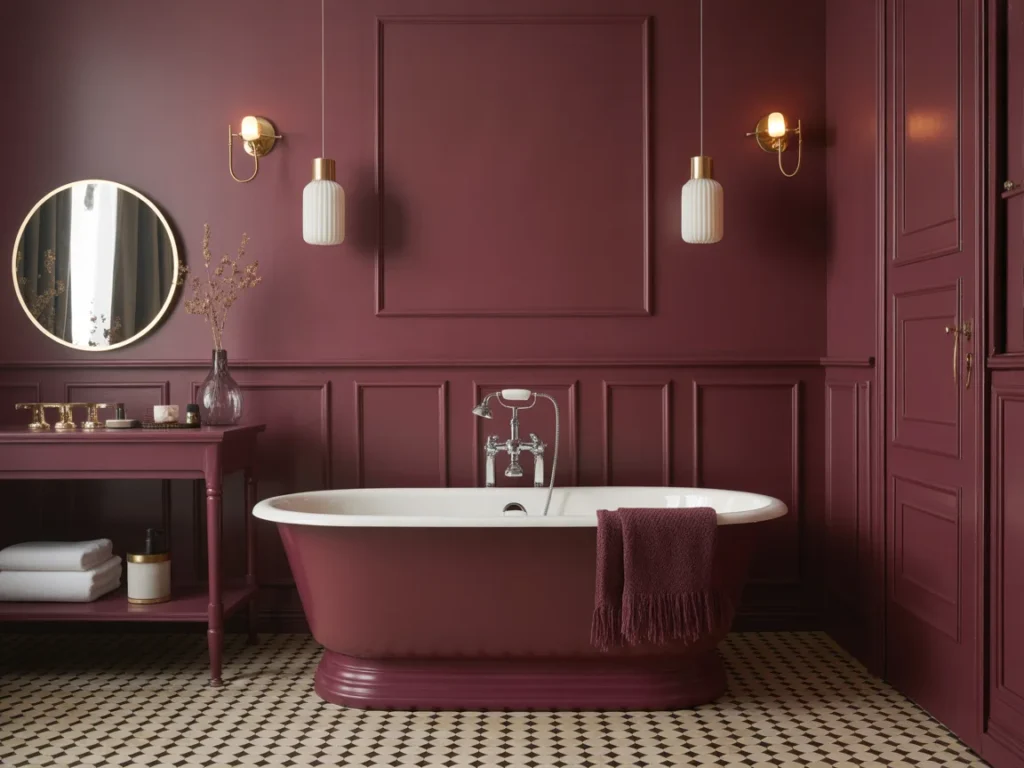
Color drenching is a bold emerging interior design trend that involves saturating a space with a single color or palette of color tones. I’ve witnessed transformative effects when tubs match wall colors, creating immersive environments that feel cocoon-like.
This approach requires boldness but delivers maximum impact. Whether using deep forest greens or warm terracotta tones, color-drenched spaces feel intentional and sophisticated. The key is selecting colors that promote relaxation rather than stimulation.
13. The Mixed Metal Marvel
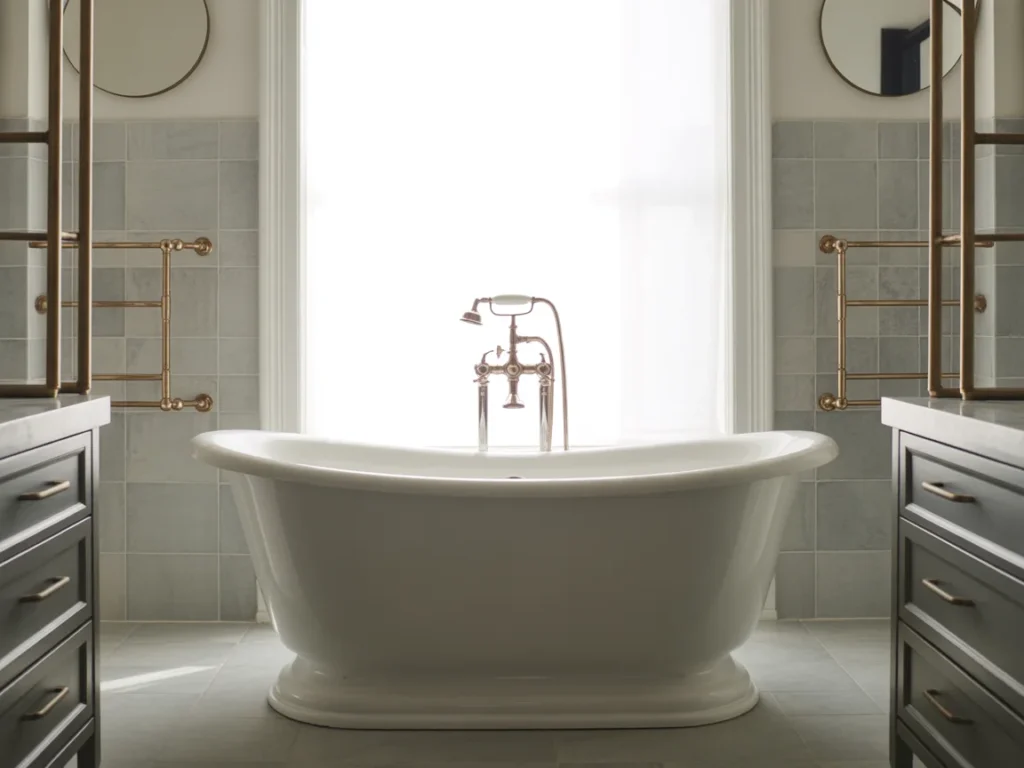
Mixing metals like brass, chrome, and matte black is a trend that adds depth and character to your bathroom. This approach prevents spaces from feeling too coordinated or sterile. I’ve learned that successful metal mixing requires understanding undertones and proportions.
Start with one dominant metal, then introduce others as accents. Warm brass pairs beautifully with cool chrome when balanced properly. The key is maintaining enough consistency to feel intentional while adding enough variety to create visual interest.
14. The Biophilic Bath: Nature Integration
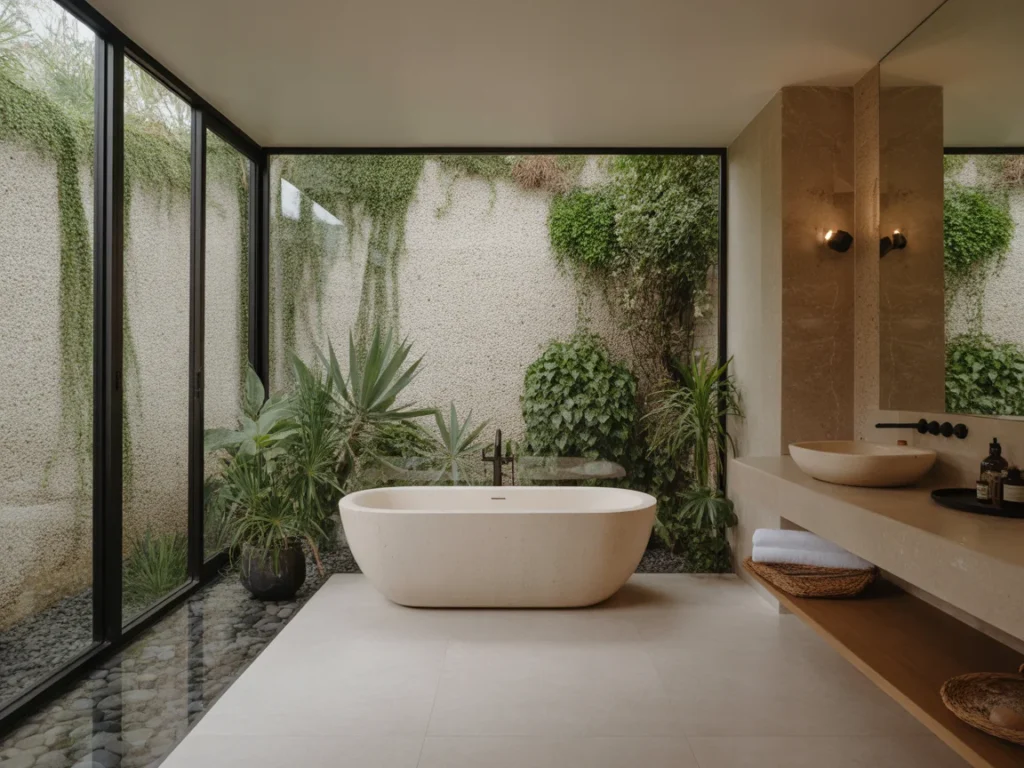
Bringing the outdoors in is a bathroom trend seen in years past that’s growing in 2025, with biophilic design taking center stage. I’ve discovered that incorporating living elements transforms bathing from routine to ritual.
Strategic plant placement, natural materials, and water features create environments that promote genuine wellness. The sound of flowing water, the texture of stone, and the presence of greenery combine to create spaces that nurture both body and spirit.
15. The Lounge-Style Luxury
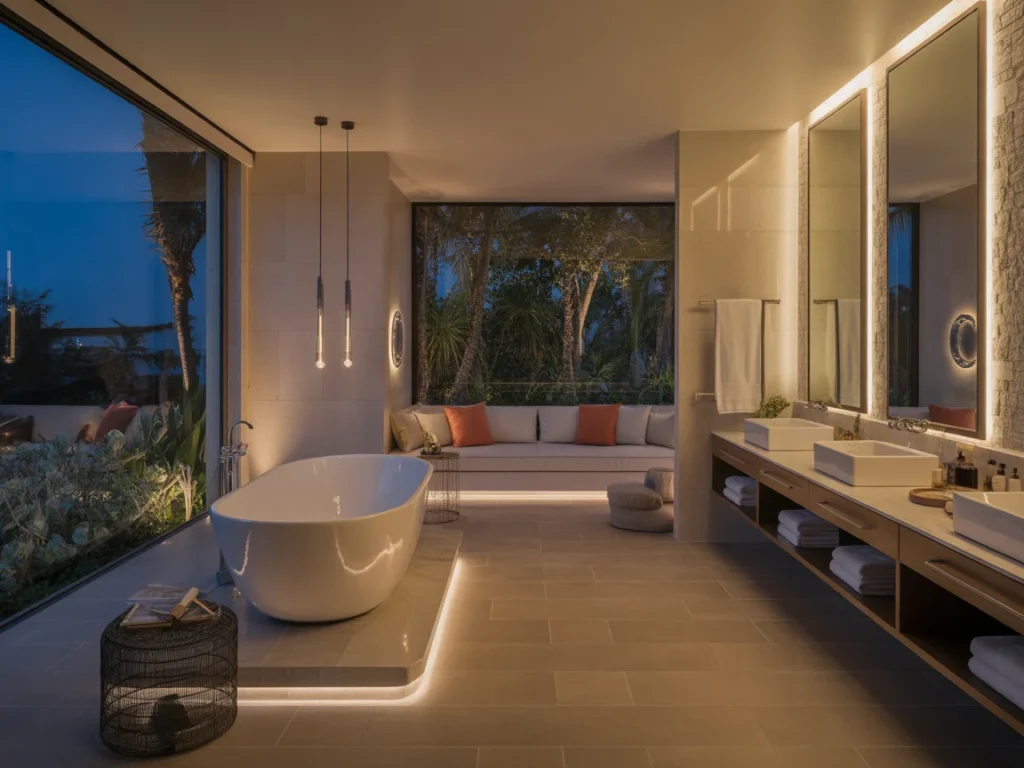
If your goal is to design a bathroom that is truly a spa-like, relaxing retreat in your home, the bathroom lounge design trend could be a good fit for you. This concept extends beyond basic bathing to create genuine living spaces.
I’ve seen installations that include reading nooks, meditation areas, and even small refreshment stations. The bathtub becomes one element within a larger wellness environment. It’s luxury redefined for our wellness-focused era.
Personal Reflections on Bathroom Transformation
After exploring these diverse approaches, I’ve realized that successful bathroom design transcends trends. The most compelling spaces reflect personal values and lifestyle needs. Whether you’re drawn to technological innovation or natural simplicity, the perfect tub exists for your vision.
The investment in quality bathing extends beyond aesthetics. In our increasingly digital world, analog pleasures like warm baths provide essential counterbalance. These spaces become sanctuaries where we reconnect with ourselves away from external demands.
Making Your Vision Reality
Before selecting any design direction, consider your actual bathing habits. Do you prefer quick showers or extended soaks? Will multiple people use the space? How important is maintenance versus visual impact?
I’ve learned that the most successful projects balance aspiration with practicality. Your dream tub should enhance daily life rather than complicate it. The goal is creating a space that serves your lifestyle while inspiring moments of genuine relaxation.
Remember: Great design starts with understanding yourself. Choose elements that resonate with your personal aesthetic and support your wellness goals. The perfect bathroom tub isn’t just beautiful—it’s transformative.
1.What are the latest bathtub trends in 2025?
In 2025, freestanding bathtubs, matte finishes, and minimalist shapes are leading the trend. Spa-inspired designs with natural stone and soft lighting are also very popular for modern remodels.
2. What is the best bathtub material for a bathroom remodel?
Acrylic and fiberglass are affordable and lightweight, while cast iron and stone resin offer durability and luxury appeal. Your choice depends on budget and the style you want.
3. Can I install a freestanding bathtub in a small bathroom?
Yes! Many compact freestanding tubs are designed for small spaces. Choosing a light color and sleek design helps your bathroom look larger and more open.
4. How much does a bathtub remodel cost in 2025?
The average cost for a bathtub remodel in 2025 ranges from $1,200 to $8,000, depending on materials, plumbing updates, and labor rates in your area.
5. Are soaking tubs worth it for home value?
Absolutely. Soaking tubs are seen as a luxury upgrade and can boost both comfort and resale value. They’re especially attractive to buyers who want a spa-like bathroom experience.