
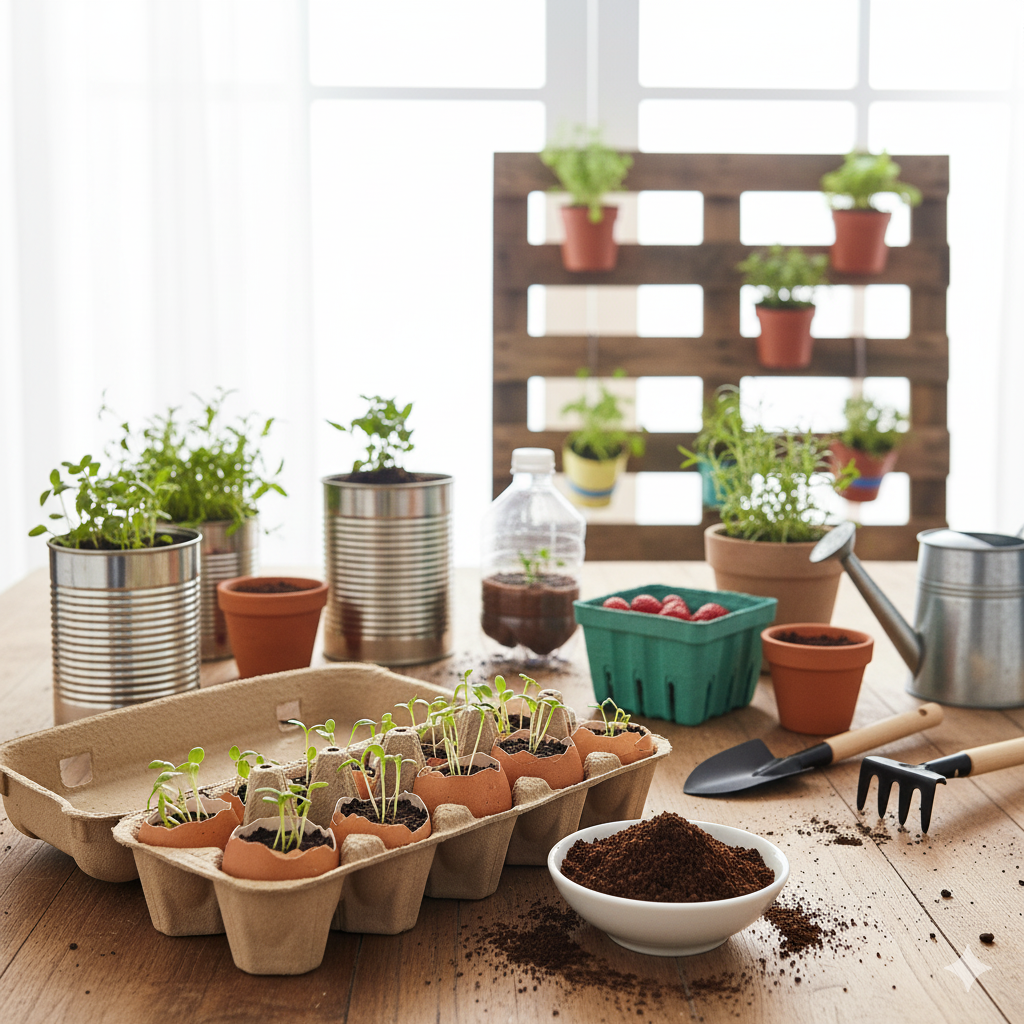
17 Easy Gardening Hacks to Grow Healthy Plants at Home – DIY Tips for Beginners
Gardening can be fun, simple, and rewarding when you use smart hacks. These 16 easy gardening tips will help your plants grow healthier, save time, and make your gardening experience enjoyable. Whether you have a backyard, balcony, or indoor plants, these hacks are beginner-friendly and eco-friendly. If you want to learn more about plants that improve indoor air quality, check out our guide on best indoor plants for air purification.
1. DIY Self-Watering Planters
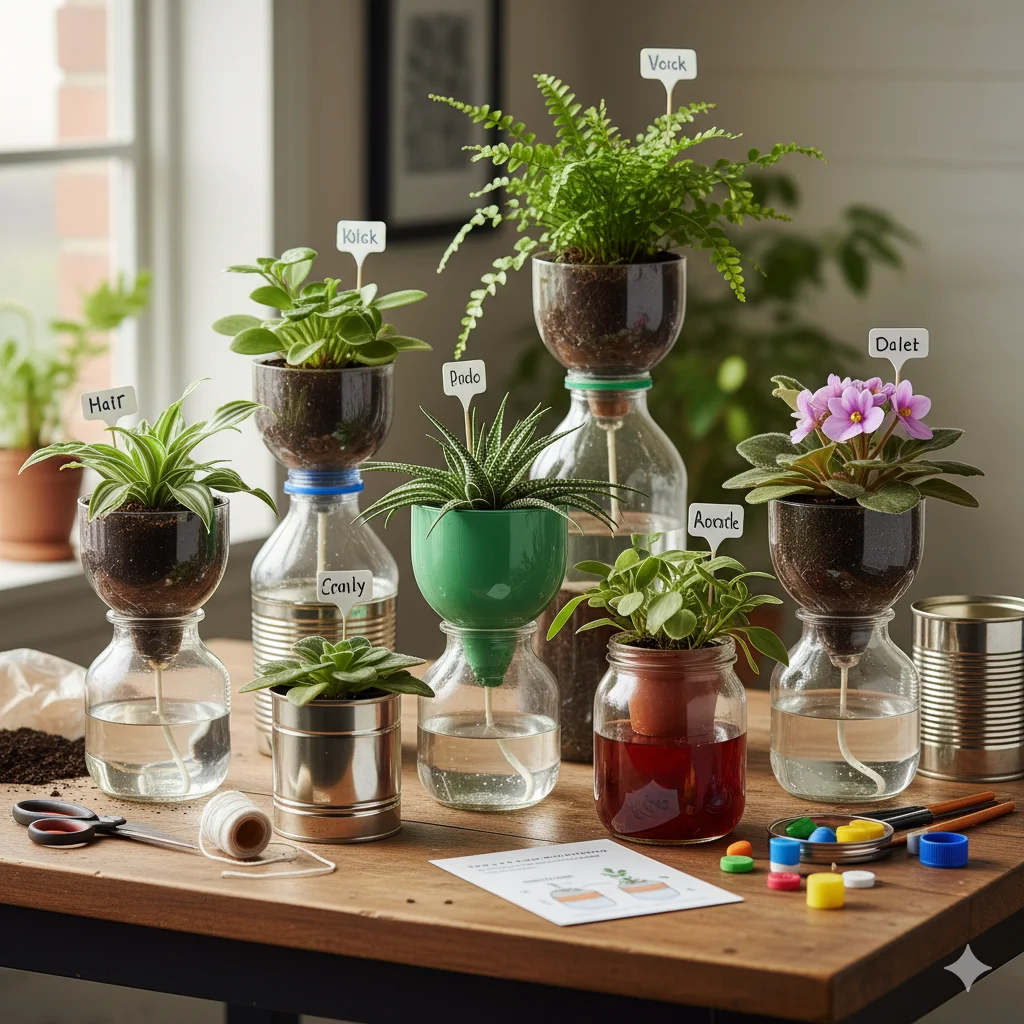
Self-watering planters are perfect for busy gardeners or those who often forget to water their plants. You can easily create one using a plastic bottle. Cut the bottle in half and invert the top part into the bottom half. Fill the bottom with water, and the soil will absorb it gradually, keeping your plants hydrated for days. This is ideal for small herbs, flowers, or indoor plants. It also prevents overwatering and ensures consistent moisture, which is key for healthy plant growth.
2. Eggshell Seed Starters
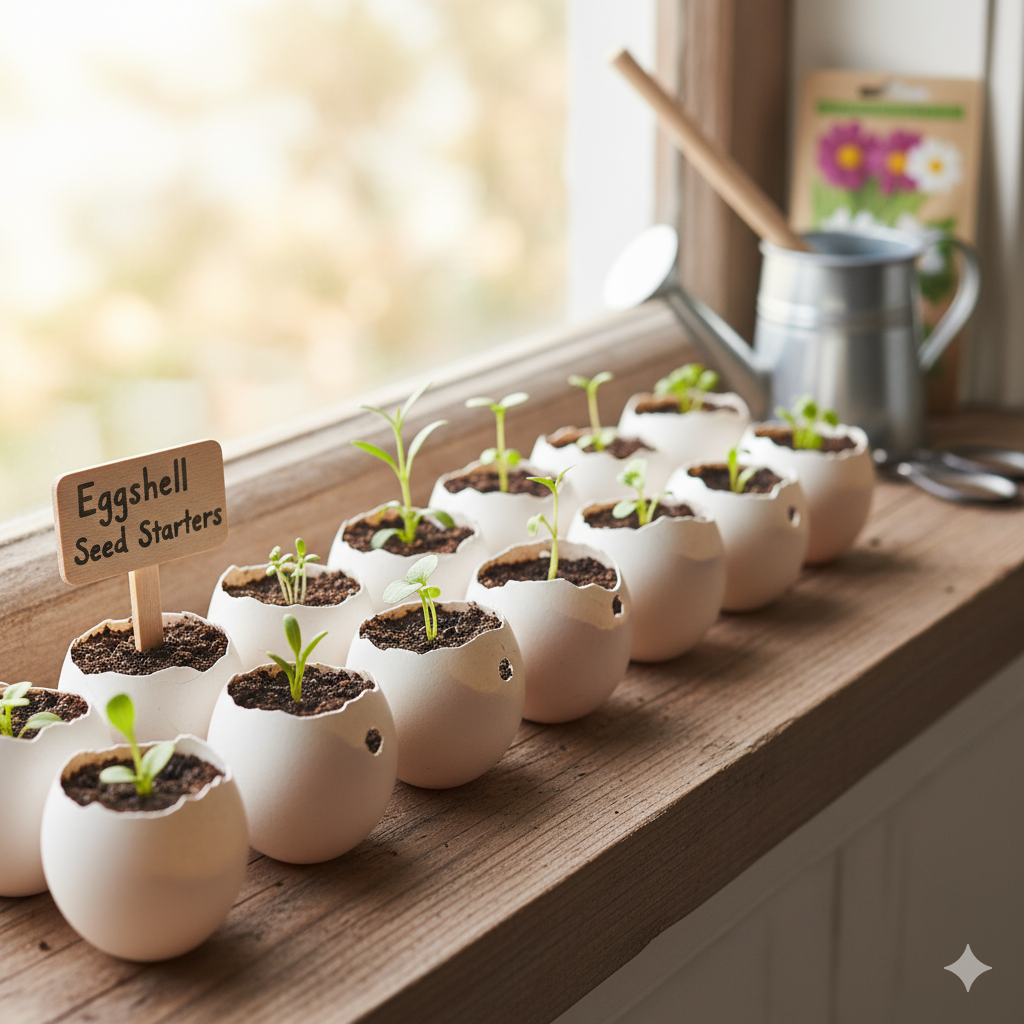
Eggshells are not just for the kitchen—they’re a natural, biodegradable option for starting seeds. Carefully crack eggshells in half and remove any leftover egg. Fill them with soil and plant your seeds. Once seedlings grow, you can plant the whole eggshell directly into the garden. The shells decompose naturally, adding calcium and other nutrients to the soil, which strengthens plant stems and reduces the risk of blossom-end rot in vegetables. It’s a simple, eco-friendly way to start seeds and recycle kitchen waste.
3. Coffee Grounds Fertilizer
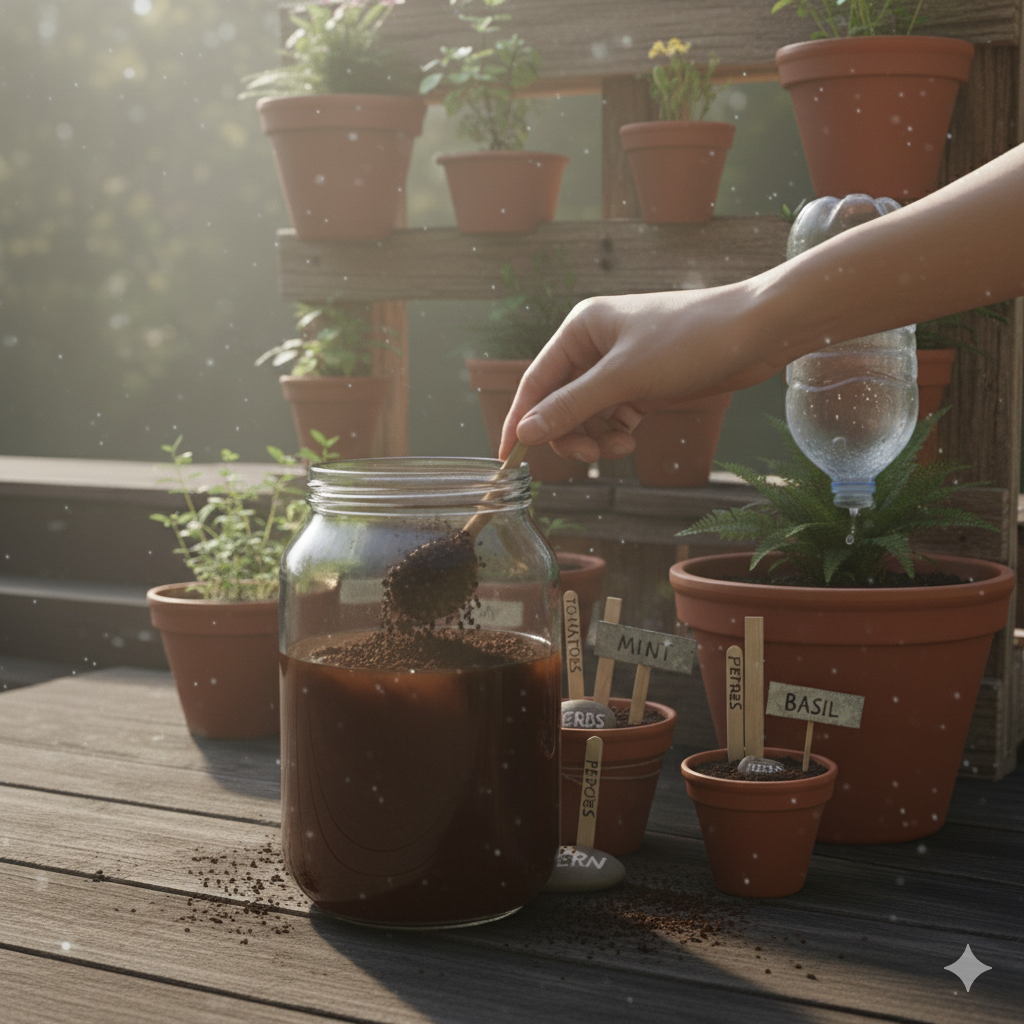
Used coffee grounds are a fantastic natural fertilizer. They are rich in nitrogen and other nutrients that plants love, making your soil more fertile. Sprinkle the grounds lightly around the base of your plants or mix them into the soil. They work especially well for tomatoes, roses, carrots, and leafy vegetables. Coffee grounds also improve soil structure and water retention. Plus, they are eco-friendly and help reduce kitchen waste. Using coffee grounds regularly can lead to healthier, more vibrant plants without relying on chemical fertilizers.
4. Tea Bag Soil Booster
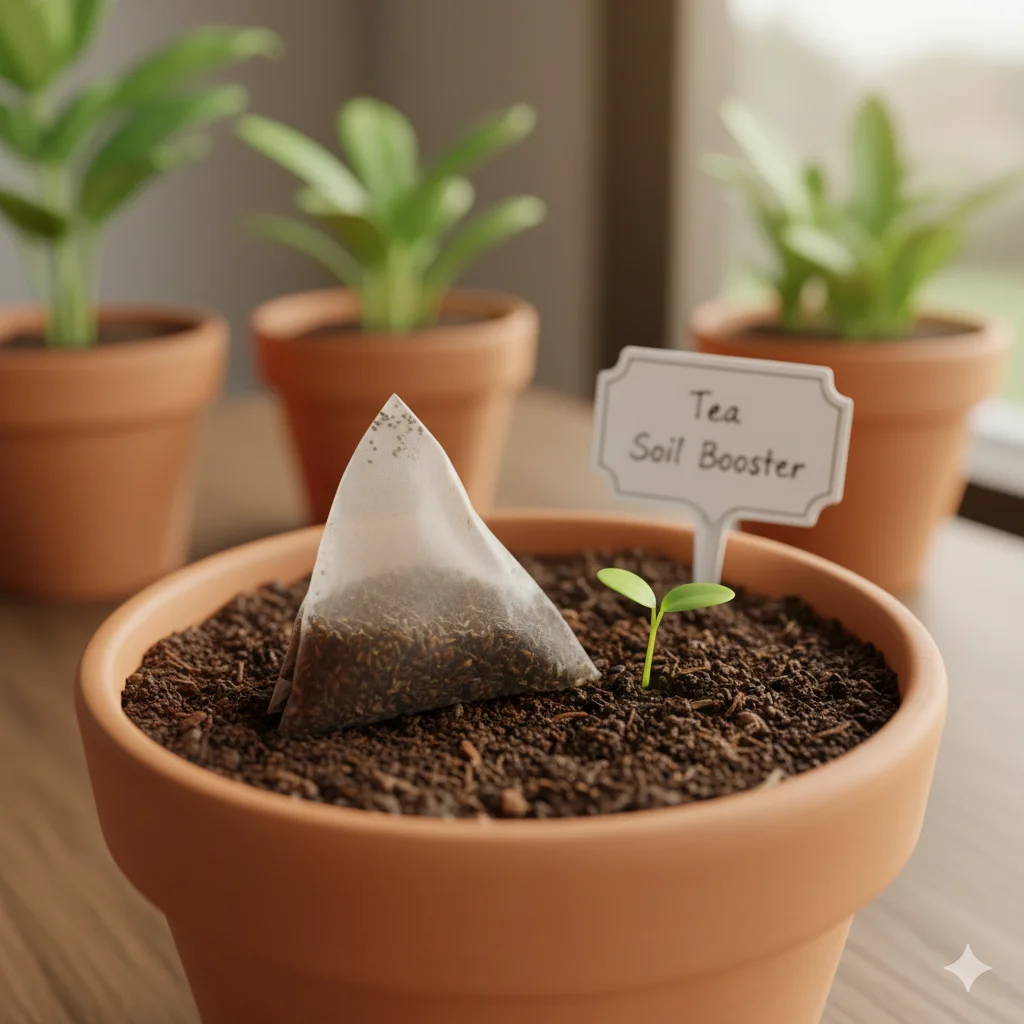
Don’t throw away your used tea bags! They can act as a natural soil booster for your garden. Make sure to remove staples and avoid synthetic bags. Simply bury the used tea bags in your garden soil or compost. Tea bags provide nitrogen, which helps plants grow strong and healthy. They also improve soil texture and retain moisture, reducing the need for frequent watering. This is a simple and eco-friendly way to reuse kitchen scraps while giving your garden the nutrients it needs to thrive.
5. Frozen Water Bottle Watering
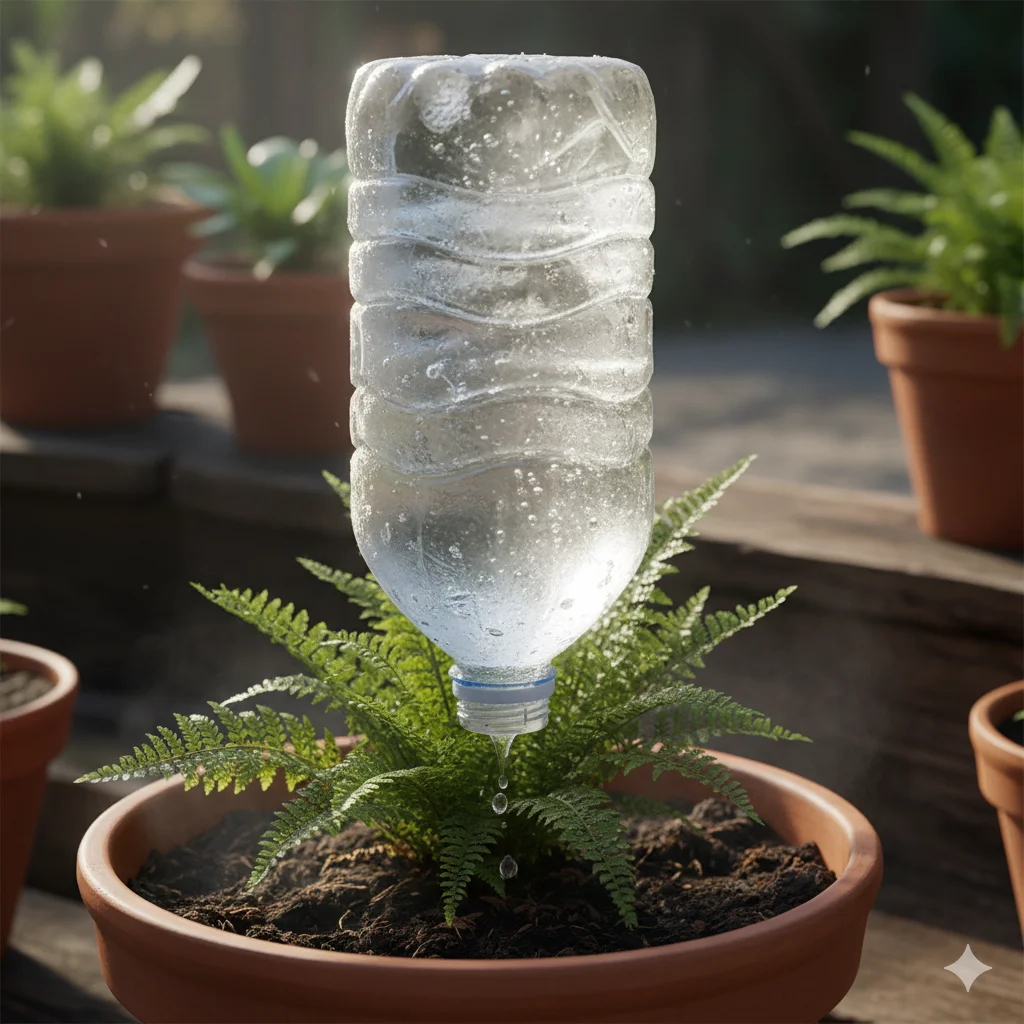
Frozen water bottle watering is a smart trick for keeping plants hydrated, especially in hot weather or for gardeners with busy schedules. Fill a bottle with water and freeze it. Place the frozen bottle at the base of your plant. As it slowly melts, it provides a steady flow of water directly to the roots. This method prevents overwatering and ensures the plant gets a consistent amount of moisture throughout the day. It works wonderfully for outdoor plants, potted plants, or vegetable gardens.
6. Potato Sprout Planter
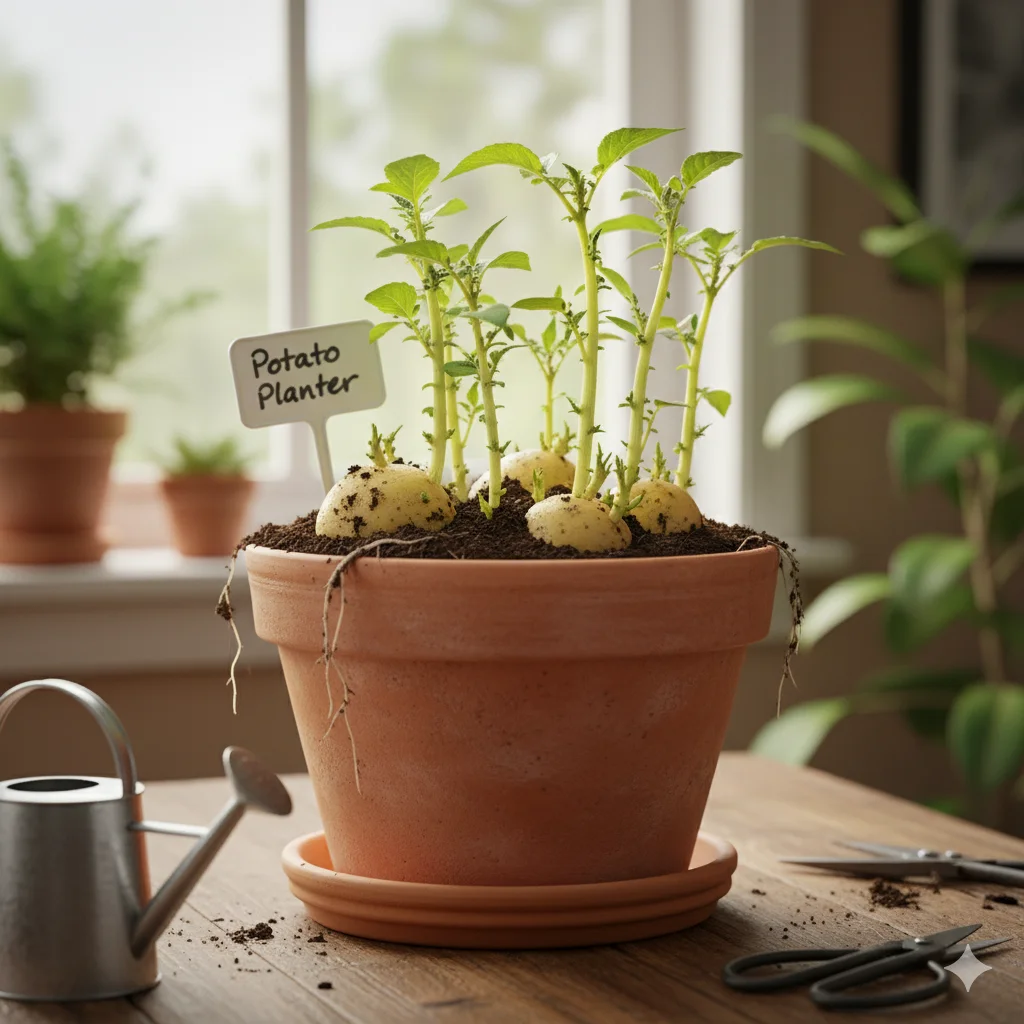
Potatoes can be used to give seedlings a nutrient boost. Cut a potato in half, hollow out a small section, and plant your seeds in the top. The potato gradually decomposes, releasing nutrients like potassium and phosphorus into the soil. This helps young seedlings grow strong roots and healthy leaves. Potato planters are especially useful for vegetables and herbs. Plus, it’s a fun and creative way to start your garden while reusing kitchen produce. This hack is simple, effective, and eco-friendly.
7. DIY Garden Labels
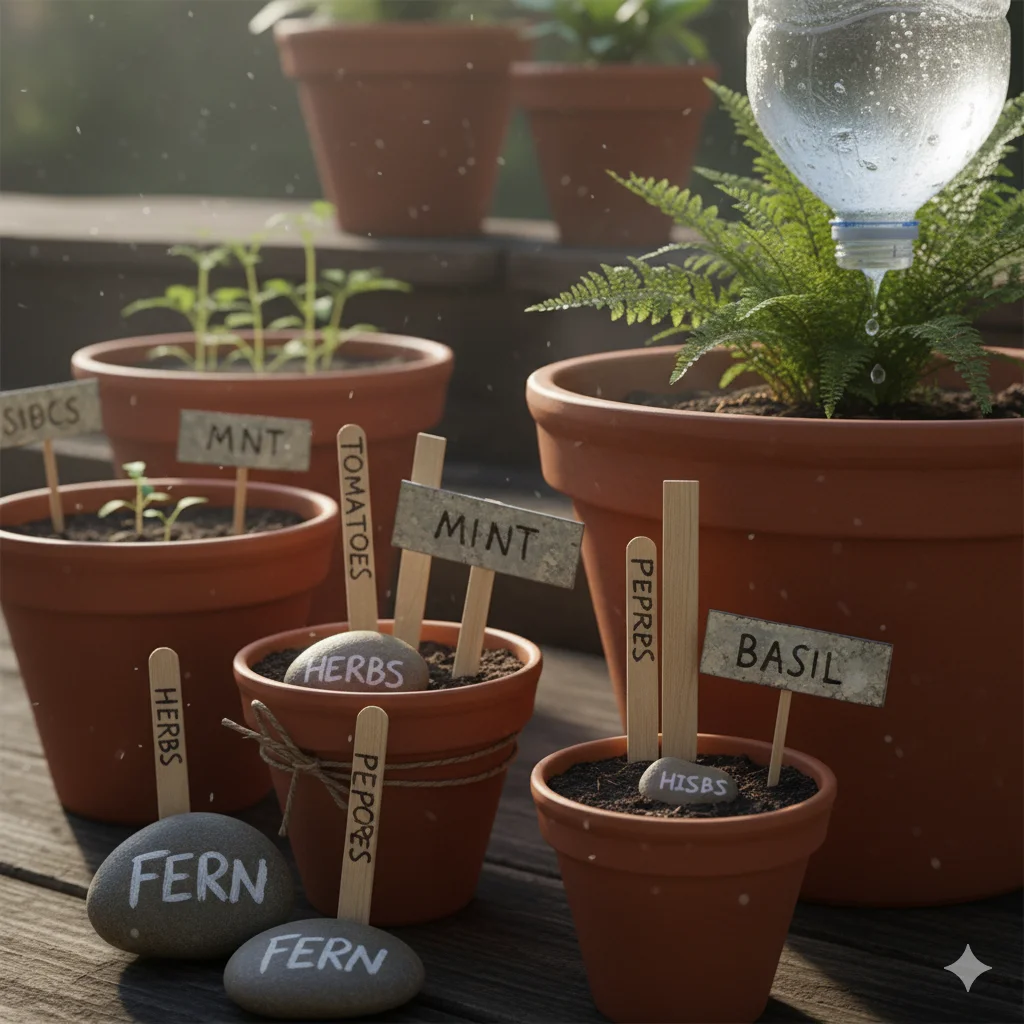
Keeping track of your plants is easy with DIY garden labels. You can use old spoons, popsicle sticks, wine corks, or even broken pottery pieces. Write the plant name with a permanent marker and place it in the soil. This helps prevent confusion, especially when planting similar herbs or flowers. Labels also add a decorative touch to your garden and make it look organized and professional. This simple hack ensures you always know what’s growing where and helps you manage your garden efficiently.
8. Recycled Food Container Pots
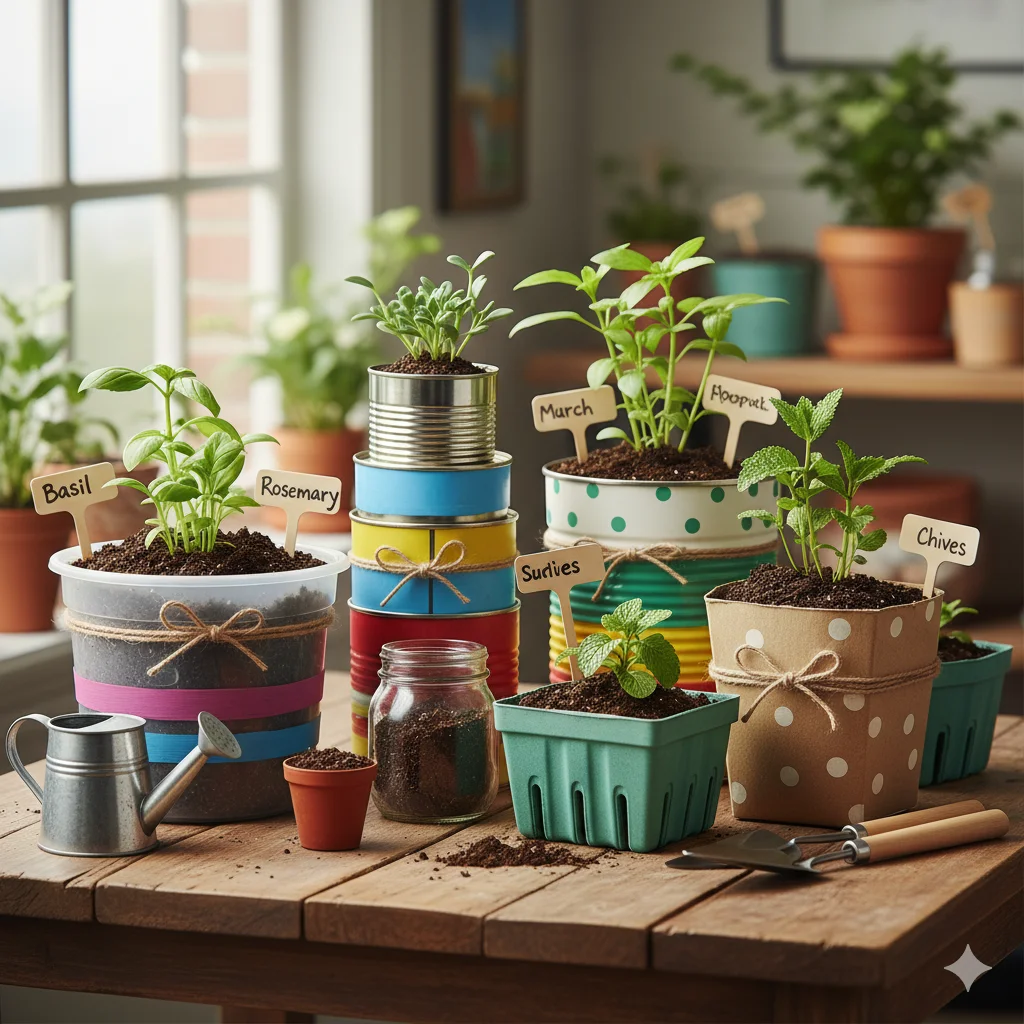
Instead of buying expensive plant pots, reuse kitchen containers like yogurt cups, milk cartons, or ice cream tubs. Drill a small hole at the bottom for drainage and fill them with soil. These containers work well for seedlings, herbs, and small indoor plants. They are lightweight, easy to move, and reduce plastic waste. Once your seedlings grow, you can transplant them into the garden. This hack saves money, promotes recycling, and is ideal for beginner gardeners who want a simple and eco-friendly planting solution.
9. Vertical Garden with Pallets
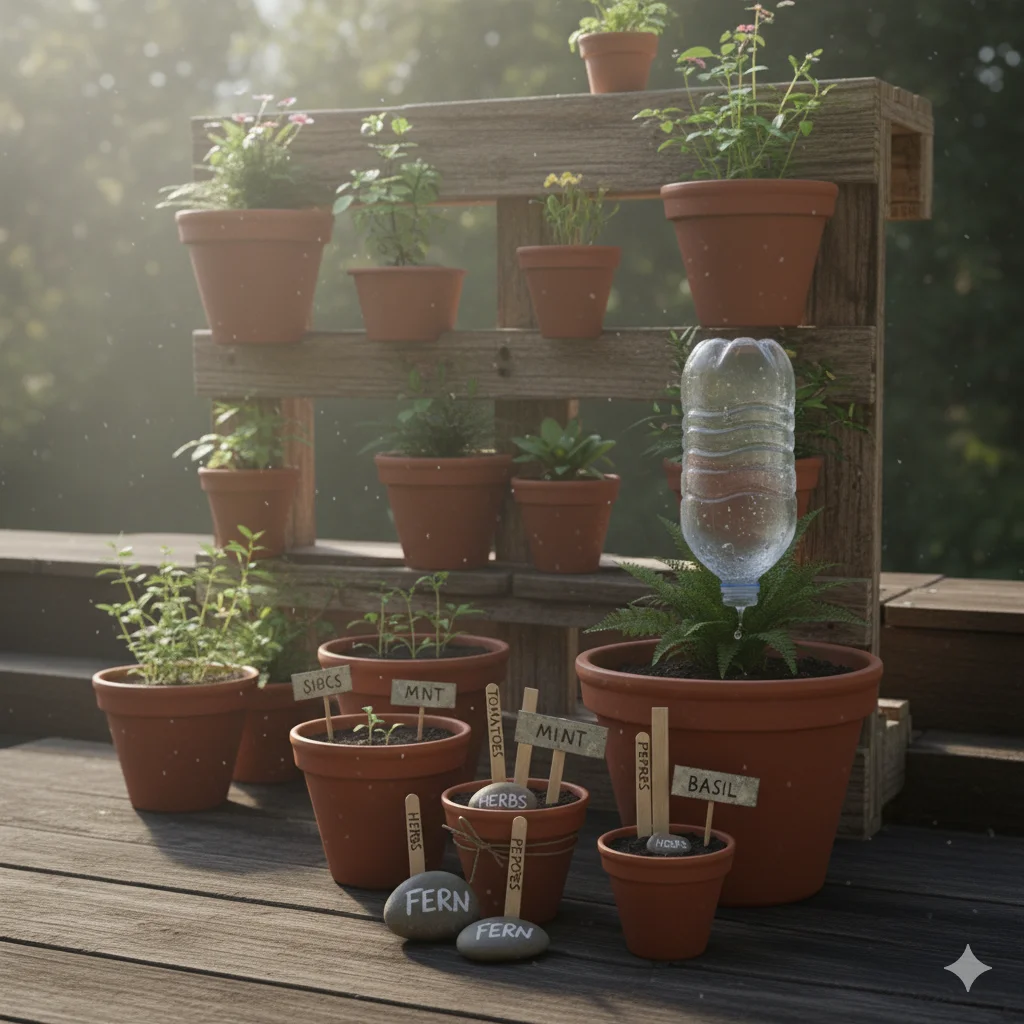
Vertical gardening is perfect for small spaces, balconies, or urban homes. You can transform an old wooden pallet into a vertical planter by adding soil and planting herbs, flowers, or vegetables. This method saves space while allowing you to grow more plants in limited areas. Vertical gardens also improve air circulation around plants, which reduces disease risk. Pallets are inexpensive, easy to find, and eco-friendly. By using this technique, you can maximize your gardening area and create a beautiful, functional green wall.
10. Natural Pest Control
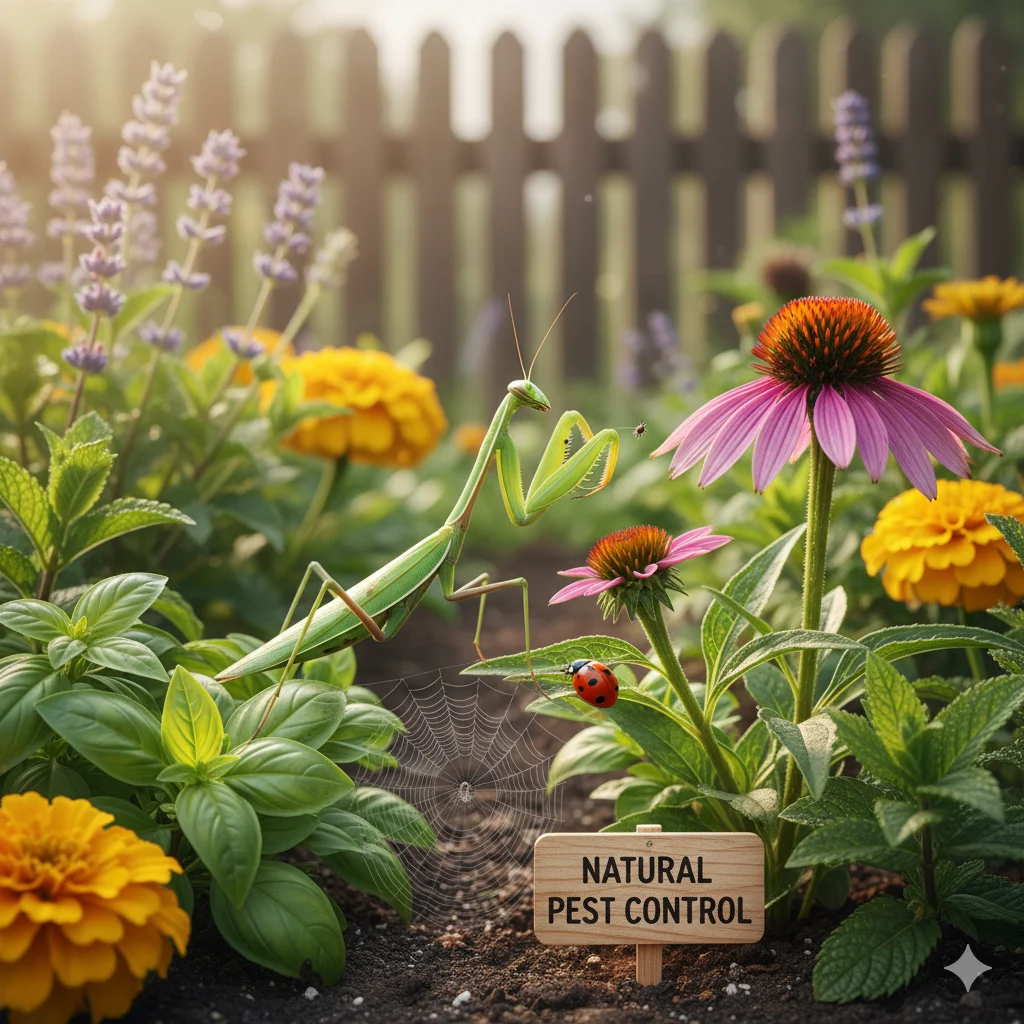
Avoid chemical pesticides by using natural pest control methods. Garlic spray, crushed eggshells, or coffee grounds can help keep common garden pests away. Sprinkle crushed eggshells around your plants to deter slugs and snails. Garlic spray acts as a natural insect repellent, protecting leaves from damage. Coffee grounds can also repel pests while enriching the soil. These natural methods are safe for humans, pets, and beneficial insects. Using eco-friendly pest control ensures your plants remain healthy without exposing them to harmful chemicals.
11. Broken Pot Garden Decorations
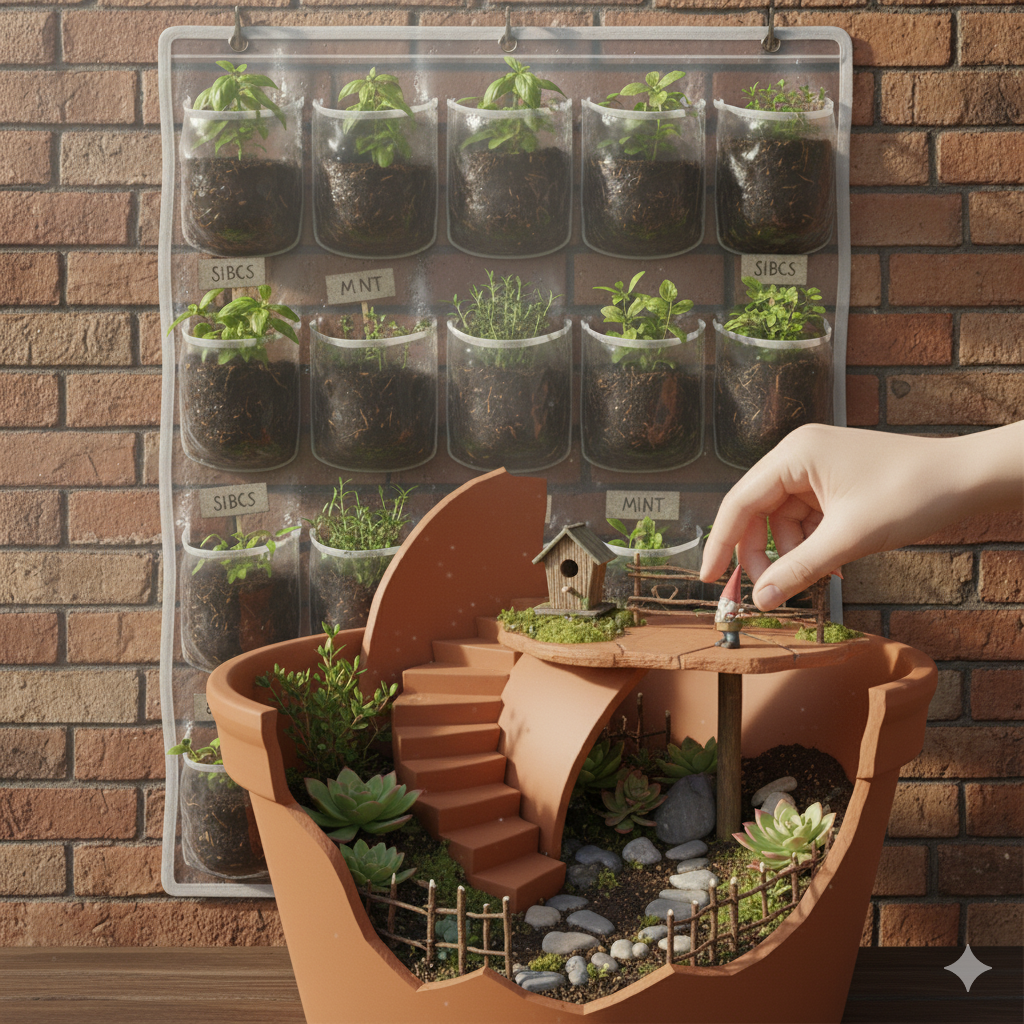
Instead of throwing away broken pots, turn them into garden decorations or plant markers. You can place them upside down as mini planters for succulents or use painted pottery pieces to label your plants creatively. Broken pots can also be arranged as a border for flower beds or pathways. This hack adds a rustic, artistic touch to your garden while recycling waste. It’s an easy and eco-friendly way to repurpose broken pottery while enhancing the beauty of your garden.
12. Onion Skin Fertilizer
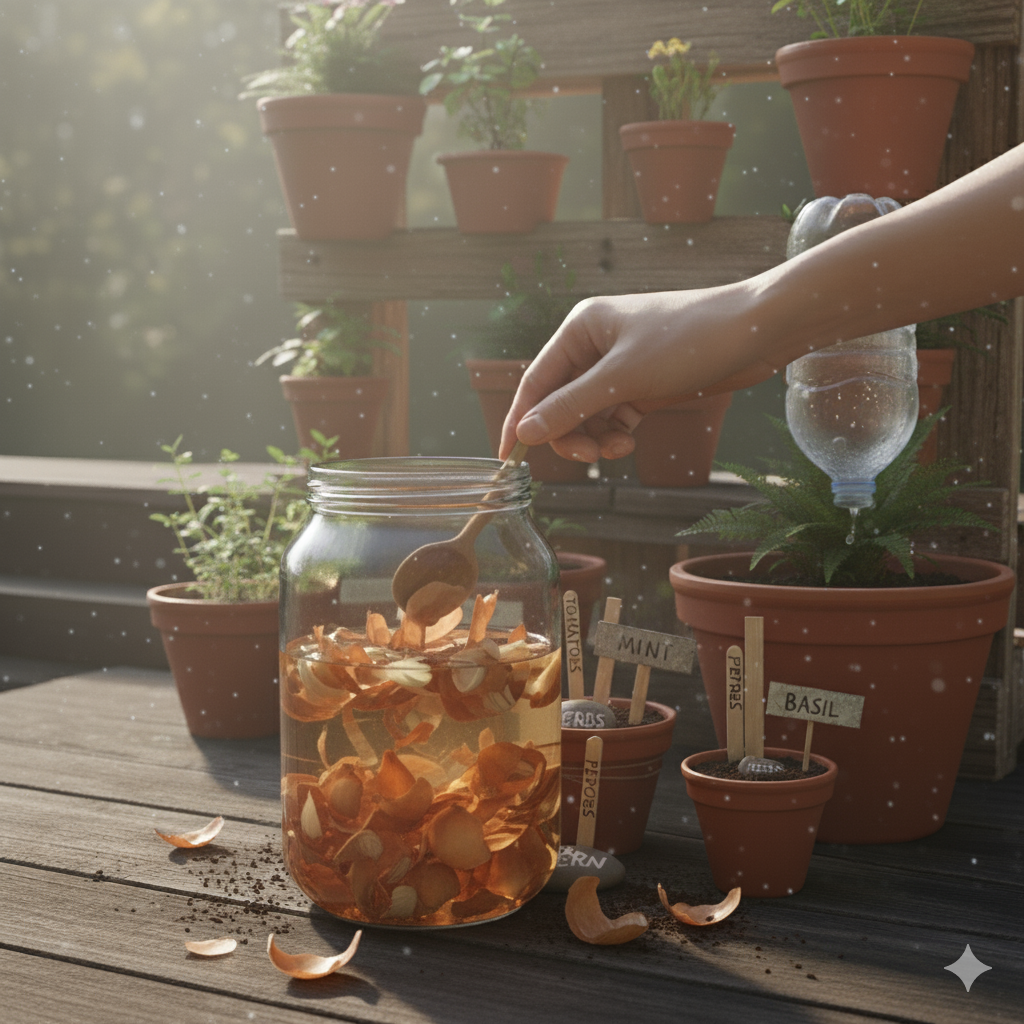
Onion skins are often thrown away, but they make an excellent natural fertilizer. Chop or crush the skins and add them directly to your garden soil. They release nutrients like potassium, calcium, and magnesium, which help strengthen plants and improve growth. Onion skins also add organic matter to the soil, enhancing water retention and overall fertility. This eco-friendly hack is a simple way to recycle kitchen scraps while giving your plants the nutrients they need to thrive.
13. Newspaper Mulch
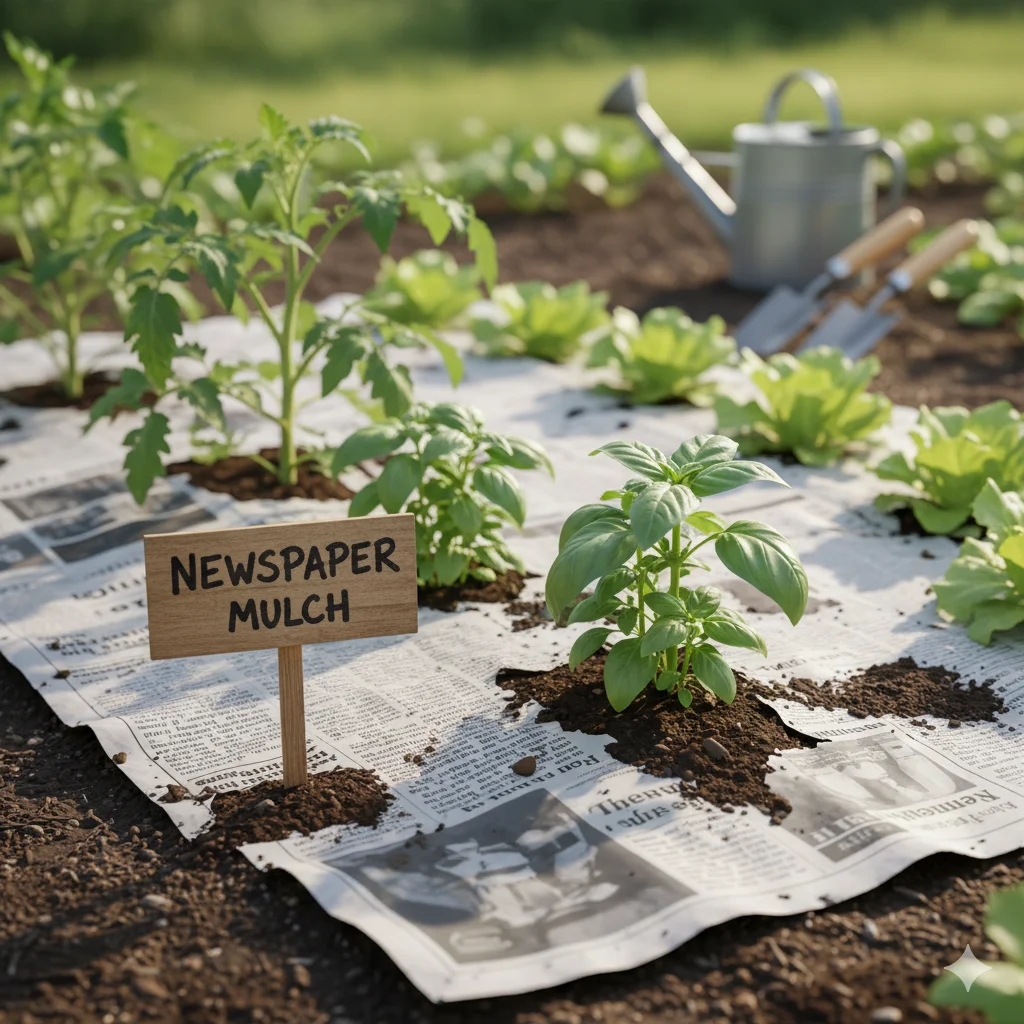
Newspapers make a great mulch for controlling weeds and retaining soil moisture. Layer old newspapers around your plants, cover them with a thin layer of soil, and water them lightly. This prevents weeds from growing, keeps the soil moist, and gradually decomposes, adding organic matter to the soil. It’s a cost-effective and environmentally friendly alternative to plastic mulch. Newspapers are easy to use and perfect for both vegetable gardens and flower beds.
14. Hanging Shoe Organizer Garden
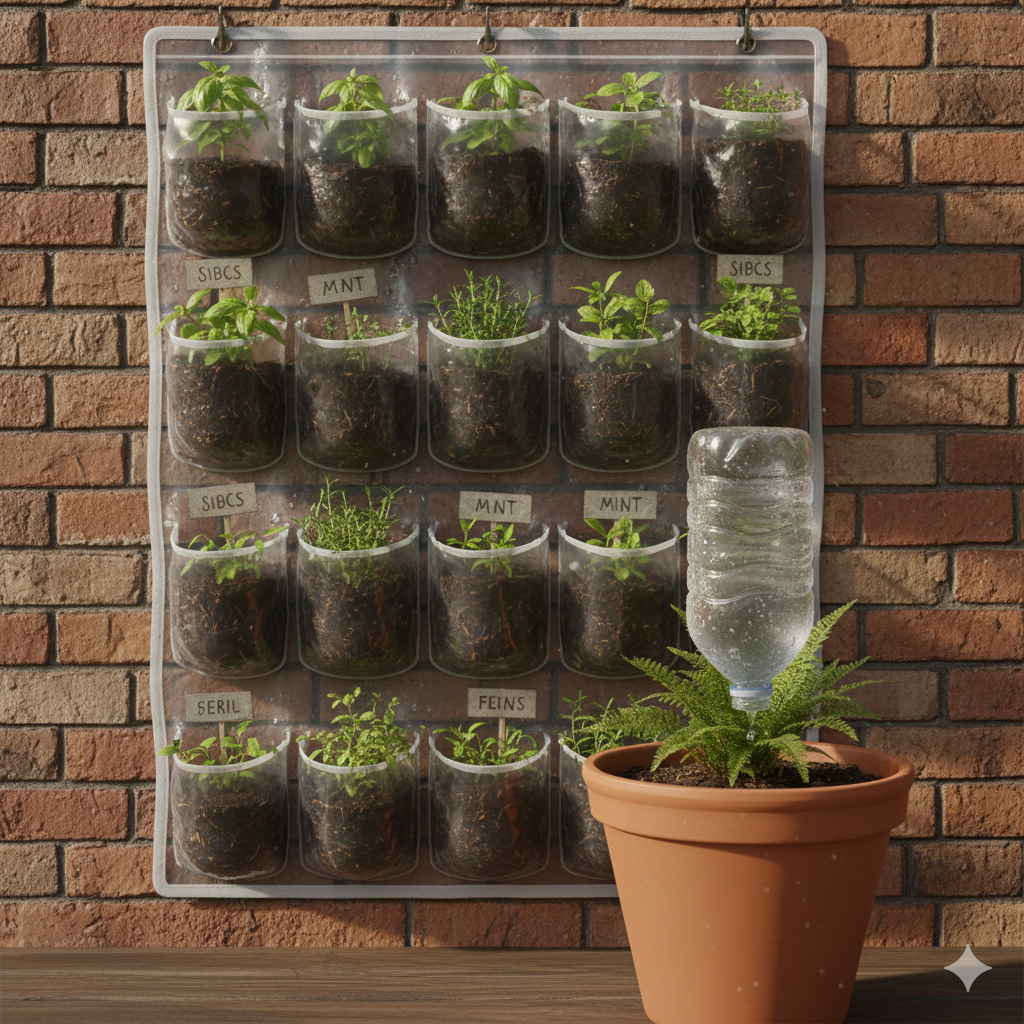
A hanging shoe organizer is perfect for creating a vertical herb or flower garden, especially if you have limited space. Fill each pocket with soil and plant herbs, flowers, or small vegetables. Hang it on a wall, balcony railing, or door for easy access. This hack saves space, keeps plants organized, and creates a decorative green wall. It’s ideal for urban gardening, apartments, or anyone looking to maximize their growing area.
15. Ice Cube Fertilizer
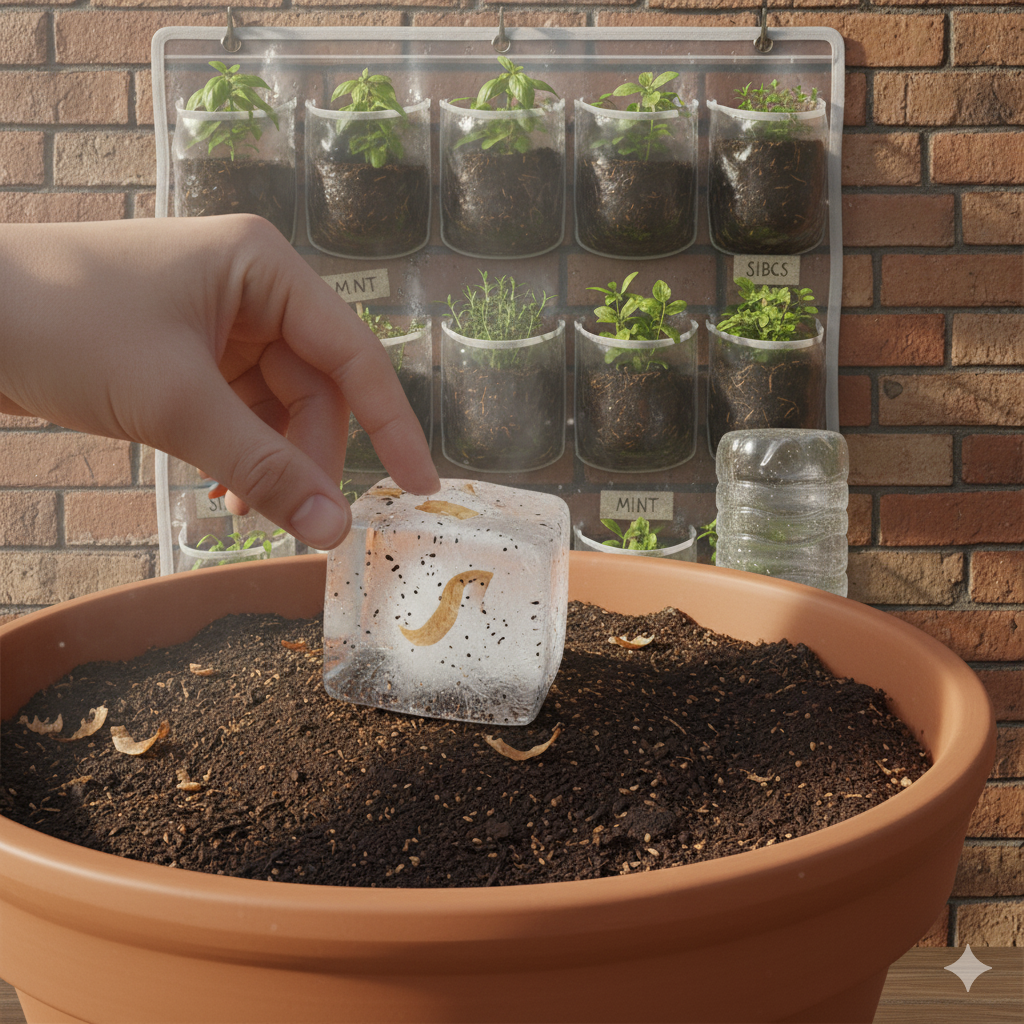
Freeze diluted fertilizer in an ice cube tray and place the cubes near your plants. As the ice melts, it slowly releases nutrients into the soil. This method provides consistent feeding, reduces the risk of overfertilizing, and is perfect for potted plants or container gardens. Ice cube fertilizers are easy to make and use, ensuring your plants stay nourished even if you forget to water them regularly. It’s a simple, mess-free, and efficient way to feed your garden.
16. Egg Carton Herb Garden
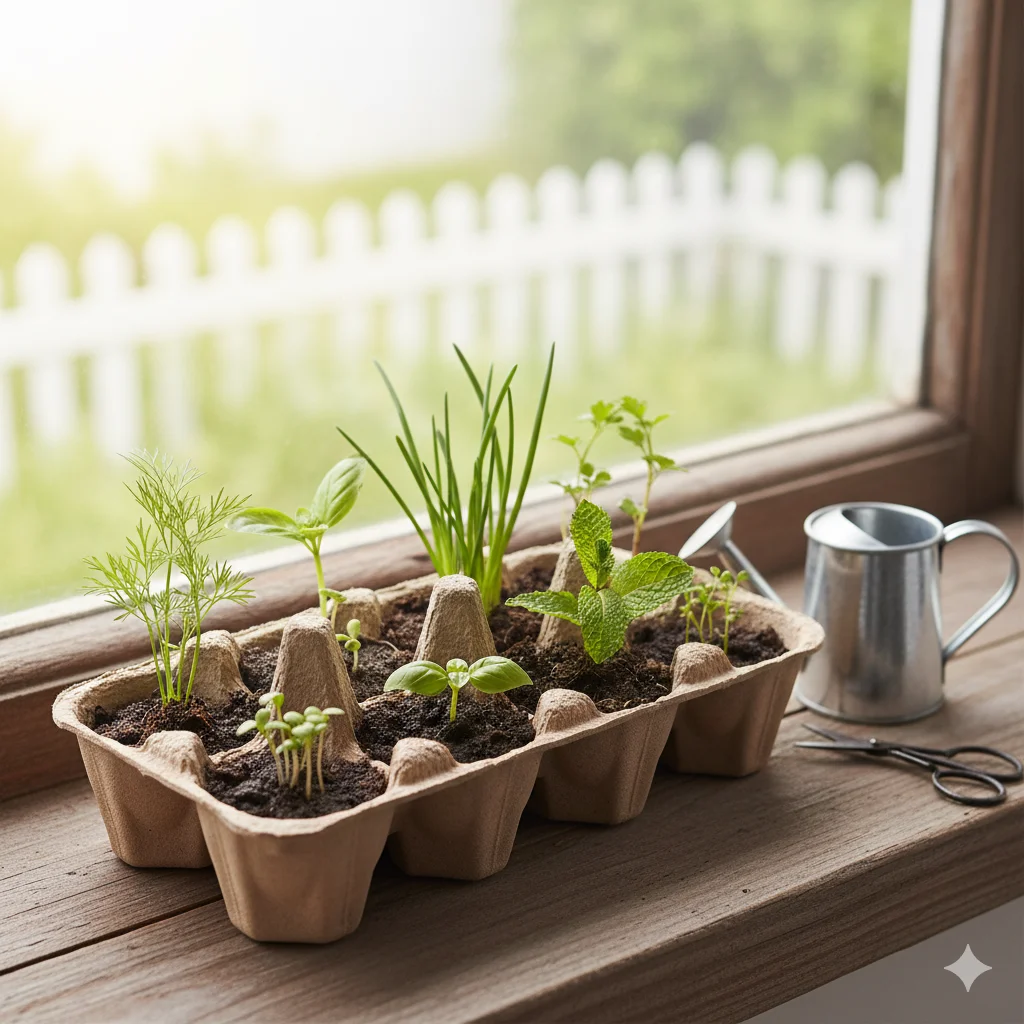
Egg cartons are perfect for starting small herb gardens indoors. Fill each compartment with soil and plant herb seeds like basil, parsley, or cilantro. Once seedlings grow, you can transplant them into larger pots or directly into your garden. Egg cartons are biodegradable, lightweight, and easy to manage. This hack is great for small spaces, kitchens, or apartment windowsills. It allows you to grow fresh herbs conveniently while recycling materials you already have at home.
18. Milk Carton Greenhouse
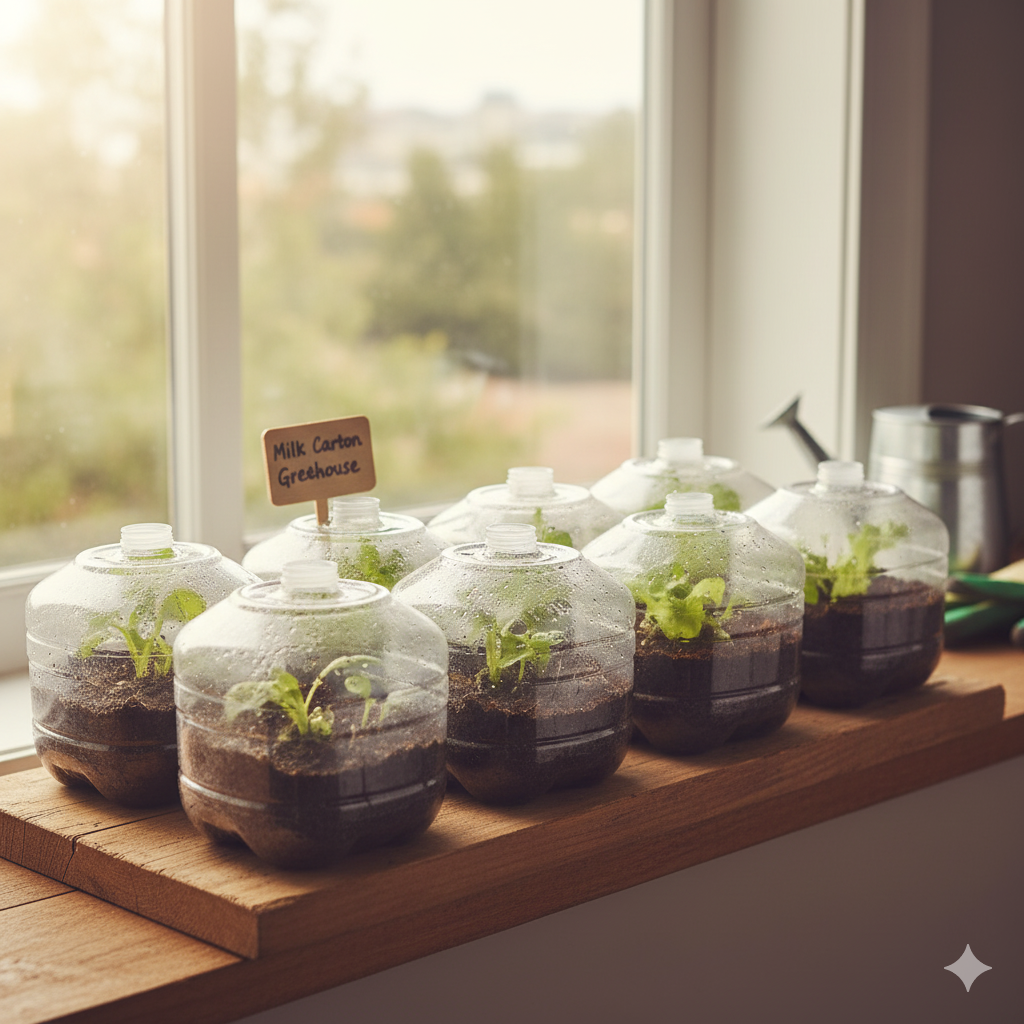
Turn empty milk cartons into mini greenhouses for seedlings. Cut the carton in half or remove the top, fill it with soil, and plant your seeds. Close the carton lid or cover it with clear plastic to create a warm, humid environment that helps seeds germinate faster. This hack protects young plants from cold, pests, and wind while retaining moisture. Once seedlings grow stronger, transplant them into your garden or larger pots. It’s a simple, cost-effective, and beginner-friendly way to give your plants a healthy start.
Conclusion:
These 16 gardening hacks are simple, eco-friendly, and beginner-friendly. They save time, reduce waste, and help your plants grow healthier and stronger. Try these tips today and make your gardening experience easier, more fun, and productive!


