
Natural Ways to Protect Plants in Winter: Eco-Friendly Tips for Gardeners
As winter approaches, gardeners everywhere face the challenge of safeguarding their beloved plants from frost, freezing temperatures, and harsh winds. Protecting plants naturally not only preserves your garden’s health but also promotes sustainability by avoiding chemical treatments or energy-intensive solutions. In this guide, we’ll explore proven, organic methods to shield your plants during the cold months, helping you maintain a thriving garden come spring. Whether you’re dealing with perennials, vegetables, or potted favorites, these natural ways to protect plants in winter will keep your greenery safe and sound. And if you’re looking for low-maintenance greenery to brighten up your space, don’t miss our guide on easy indoor plants for beginners.
From mulching with organic materials to creating simple windbreaks, these techniques draw from expert advice and time-tested practices. Let’s dive into the essentials of winter plant care.
Why Protect Your Plants Naturally in Winter?

Winter weather can wreak havoc on plants through frost damage, root freezing, and desiccation from cold winds. Frost occurs when temperatures drop below 32°F (0°C), causing ice crystals to form in plant cells and leading to wilting or death. Natural protection methods focus on insulation, heat retention, and environmental adaptation, which are eco-friendly and cost-effective.
By using materials like leaves, straw, or household items, you reduce waste and support soil health. Plus, these approaches align with organic gardening principles, ensuring your plants emerge stronger without harmful residues. According to gardening experts, proactive steps like monitoring frost dates and selecting hardy varieties can extend your growing season significantly.
1. Mulch Your Garden Beds for Root Insulation
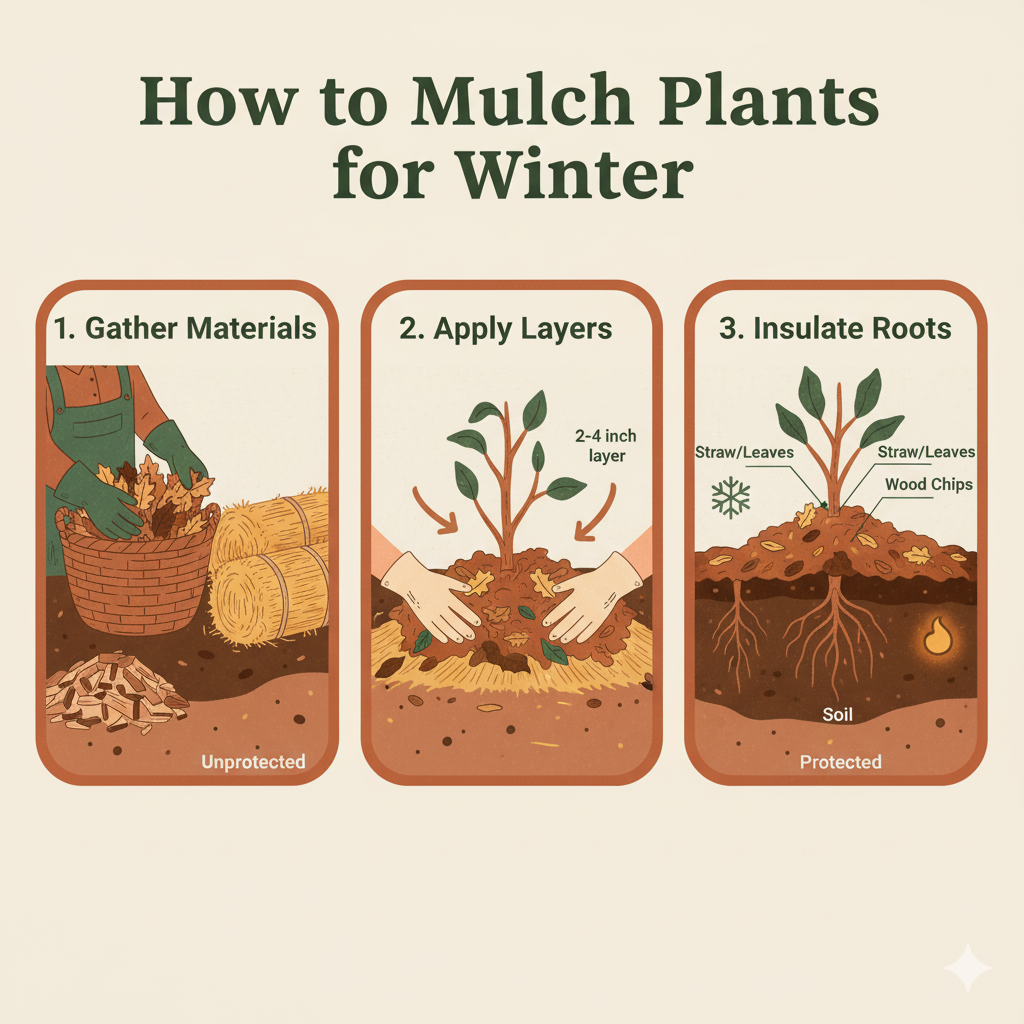
One of the simplest and most effective natural ways to protect plants in winter is mulching. A thick layer of organic mulch acts as a blanket, insulating the soil to prevent rapid temperature fluctuations that can damage roots.
- How to Do It: Apply 3-6 inches of mulch around the base of plants after the first frost. Use materials like shredded leaves, straw, pine needles, or wood chips. Avoid piling mulch directly against stems to prevent rot.
- Benefits: Mulch retains soil moisture, suppresses weeds, and slowly decomposes to enrich the soil come spring.
- Tips: In colder zones, refresh mulch mid-winter if it compacts.
This method is particularly useful for perennials and vegetables like carrots or kale, which can overwinter with proper coverage.
2. Cover Plants with Natural Fabrics or Row Covers
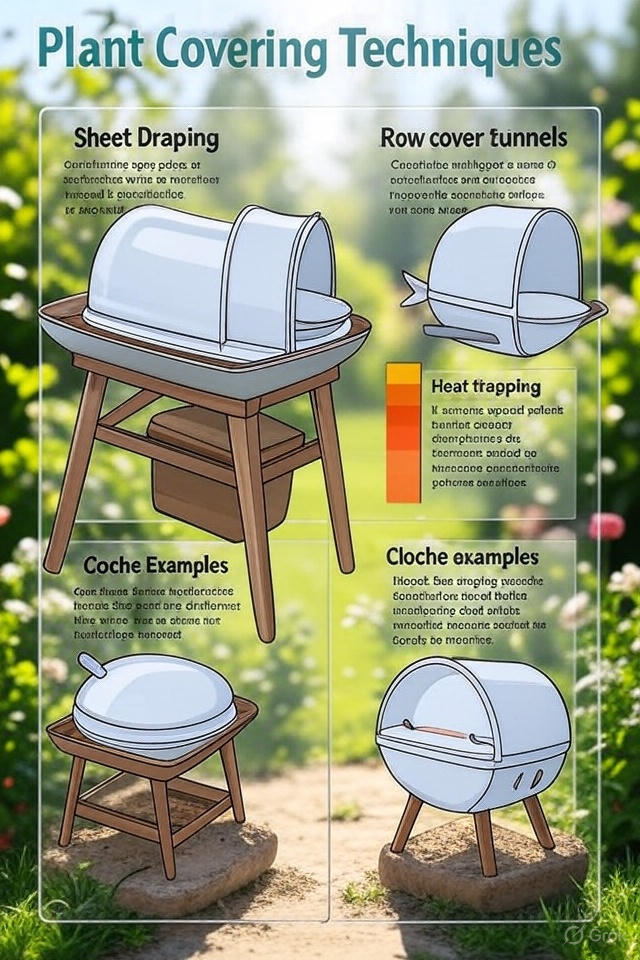
Covering plants traps radiant heat from the soil, creating a microclimate that shields foliage from frost. Opt for breathable, natural materials to avoid condensation buildup.
- Materials to Use: Old bed sheets, towels, burlap sacks, or organic frost cloths. For larger areas, create low tunnels with wire hoops and row covers.
- Application: Drape covers loosely over plants in the evening when frost is forecasted, securing edges with rocks or stakes. Remove during the day to allow sunlight and air circulation.
- Advanced Tip: For extra protection, place hot water-filled jugs under the cover to release warmth overnight.
This technique works well for tender annuals and young shrubs, providing up to 4-8°F of frost protection.
3. Bring Potted Plants Indoors or to Sheltered Areas
Potted plants are especially vulnerable since their roots are exposed above ground. A natural solution is relocating them to protected spots.
- Steps: Move containers to a garage, shed, or sunny indoor window before temperatures drop below 40°F. For larger pots, group them together against a south-facing wall for shared warmth.
- Indoor Care: Water sparingly and monitor for pests. Hardy herbs like rosemary can thrive indoors with natural light.
- Outdoor Alternative: If indoor space is limited, wrap pots with burlap or bubble wrap (though focus on natural burlap for eco-friendliness) and mulch the top soil.
This method extends the life of tropicals and annuals without artificial heating.
4. Create Windbreaks and Natural Barriers

Cold winds can desiccate plants by stripping moisture. Natural windbreaks reduce this risk while enhancing your garden’s ecosystem.
- Ideas: Plant evergreen shrubs or trees as permanent barriers. For temporary protection, use stacked hay bales, wooden fences, or even snow piles in snowy regions.
- Placement: Position barriers on the north or west side, where prevailing winds come from, to block cold air.
- Additional Benefit: These structures also create warmer microclimates for sensitive plants.
Experts recommend combining windbreaks with mulching for comprehensive protection.
5. Water Plants Properly Before a Freeze
Proper hydration is a underrated natural way to protect plants in winter. Moist soil holds heat better than dry soil, radiating warmth to roots overnight.
- Technique: Irrigate thoroughly a day before forecasted freezes, ensuring deep soil penetration. Avoid overwatering to prevent ice formation.
- Why It Works: Water releases heat as it freezes, providing a buffer against extreme cold.
- Caution: Ensure good drainage to avoid root rot in poorly drained soils.
This method is ideal for lawns, shrubs, and trees, boosting their natural resilience.
6. Use Cloches for Individual Plant Protection

Cloches are mini-greenhouses made from natural or recycled materials, perfect for protecting single plants or small groups.
- DIY Options: Upcycle milk jugs (cut off the bottom), glass jars, or woven baskets. Place over plants and anchor with soil or stakes.
- Benefits: They trap heat and humidity, offering targeted frost protection.
- Maintenance: Ventilate on warmer days to prevent overheating.
This hands-on approach is great for vegetables like lettuce or young seedlings.
7. Choose Cold-Hardy Plants and Proper Planting Sites
Prevention starts with selection. Opting for plants suited to your USDA zone minimizes the need for intervention.
- Recommendations: Grow hardy varieties like kale, spinach, or Brussel sprouts that sweeten with frost. Plant in elevated or south-facing spots to avoid cold pockets.
- Site Tips: Use natural shading from trees to trap heat, and ensure well-drained soil for strong roots.
This long-term strategy reduces winter stress naturally.
8. Wrap Trees and Shrubs for Added Security
For young trees and shrubs, wrapping provides insulation against freeze-thaw cycles.
- Materials: Burlap, felted wraps, or old towels secured with twine.
- How-To: Wrap trunks from base upward, overlapping layers. For branches, loosely tie with natural fibers.
- When to Use: Ideal for fruit trees or evergreens in exposed areas.
Combine with staking for wind resistance.
Conclusion: Embrace Natural Winter Plant Protection
Implementing these natural ways to protect plants in winter ensures your garden survives—and thrives—through the cold season. Start by assessing your plants’ needs, monitoring weather forecasts, and applying a combination of methods like mulching and covering for best results. Not only will you save money, but you’ll also contribute to a healthier environment.
Ready to winterize your garden? Share your experiences in the comments below, and don’t forget to subscribe for more eco-friendly gardening tips. For personalized advice, consult local extension services.