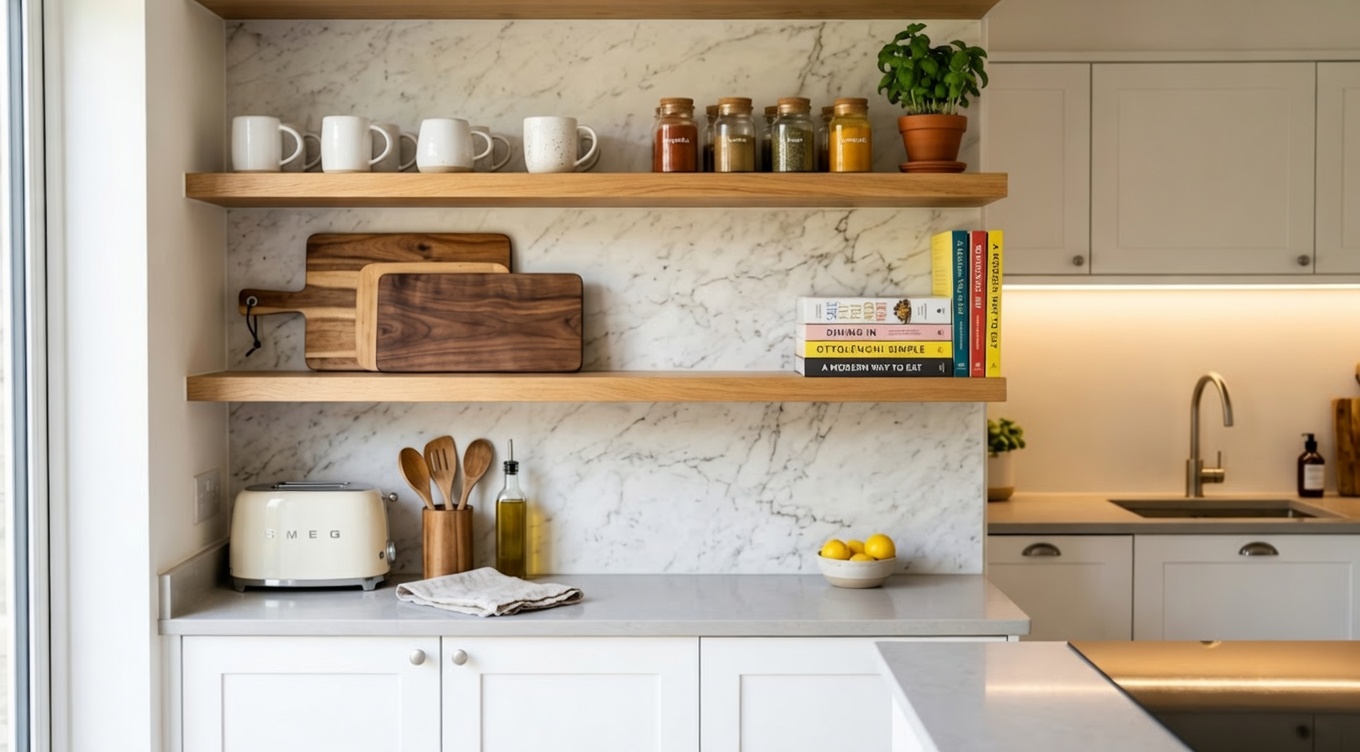
Floating Shelf Ideas for Home Organization That Look Stylish
Bare walls and limited floor space can make any home feel tighter than it needs to be. Floating shelves solve that by adding storage and display area without bulky brackets or heavy footprints. They work especially well for apartments, small homes, or anyone who wants a cleaner, more open look.
Whether you rent and can’t drill massive holes or own a place and want something that blends with your style, these shelves offer flexibility. You can use them to organize everyday items or showcase favorite pieces. Here’s how to choose and arrange floating shelves that actually improve how your home functions and feels.
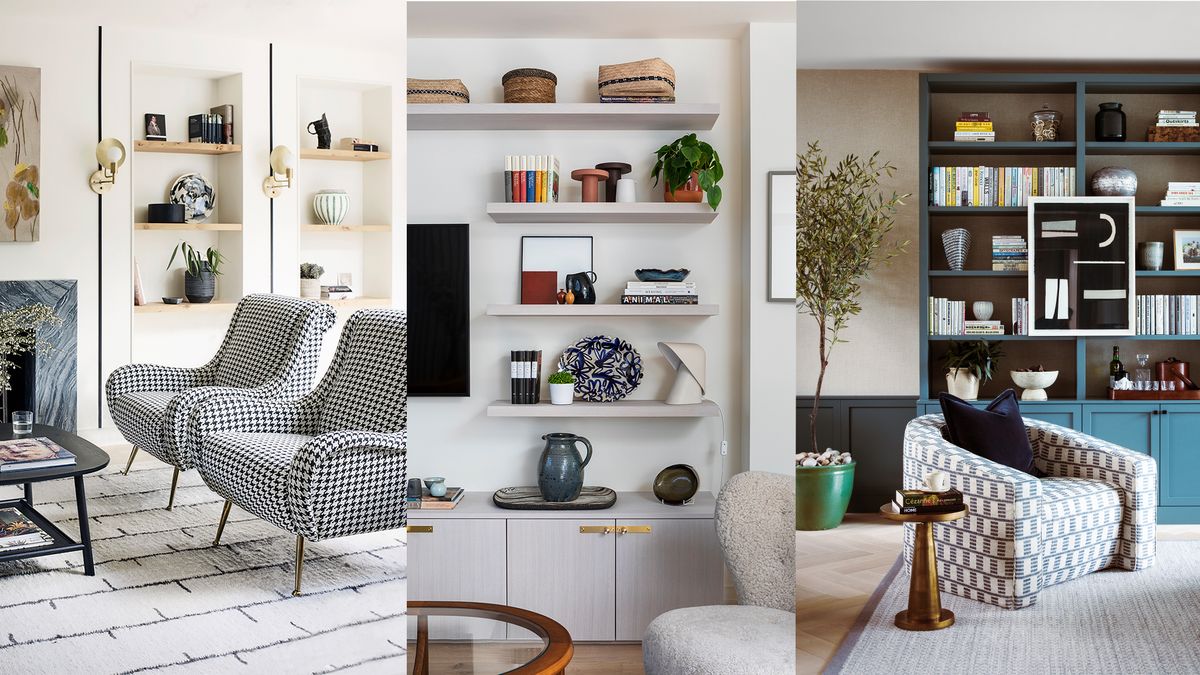
Image From :homesandgardens.com
:max_bytes(150000):strip_icc()/living-room-interior-with-grand-piano--corner-sofa--marble-coffee-table-and-bookshelf-1437988461-bb3eb1c9ecdb4ad7a041db11511f5d8a.jpg "Floating Shelf Ideas for Home Organization That Look Stylish 3")
Image from : Martha Stewart
Why Floating Shelves Work So Well for Organization
Floating shelves mount directly to the wall with hidden hardware, creating a clean line that draws the eye upward. This vertical approach frees up floor space and makes rooms feel larger. They suit renters because many options use removable anchors or smaller screws, though always check your lease and wall type.
In practical terms, they handle everything from books and plants to toiletries and kitchenware. The key is matching shelf depth, length, and material to the room’s needs and your weight requirements—deeper shelves for heavier items, shallower ones for lightweight decor.
Floating Shelves for Small Spaces
Small homes or apartments benefit most from thoughtful placement. Opt for narrow or staggered layouts to avoid overwhelming the wall. Corner floating shelves maximize awkward spots, while sets of shorter shelves (12–24 inches) create breathing room.
In tight entryways or hallways, a single slim shelf above a console table holds keys, mail, and a small plant. For living areas, vertical stacks of 8–10 inch deep shelves keep the look light. Choose light woods or white finishes to reflect more light and enhance the sense of openness.
:max_bytes(150000):strip_icc()/311232807_2323060507842894_3898490003930808988_n-c88a352b9f8e4c449d2e3bf9e1063cef.jpg "Floating Shelf Ideas for Home Organization That Look Stylish 4")
Image from: thespruce.com
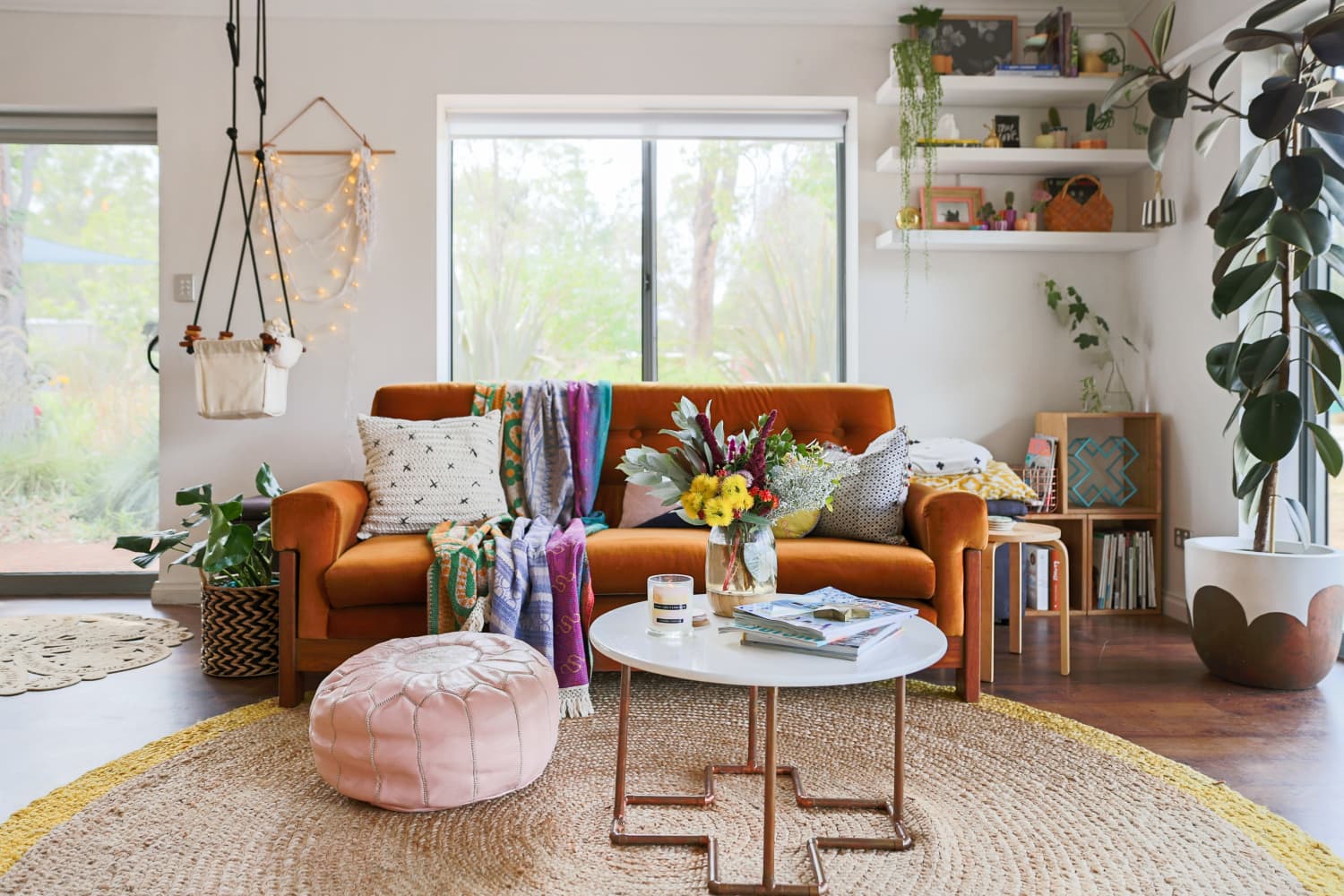
Image from :apartmenttherapy.com
Modern Floating Shelves and Material Choices
Modern floating shelves often feature clean lines in oak, walnut, or matte black metal. Thinner profiles keep things sleek, while thicker solid-wood options add warmth and can support more weight.
Popular picks include light oak for Scandinavian vibes or darker stains for contrast against white walls. Many ready-made options on Amazon come in sets with invisible brackets.
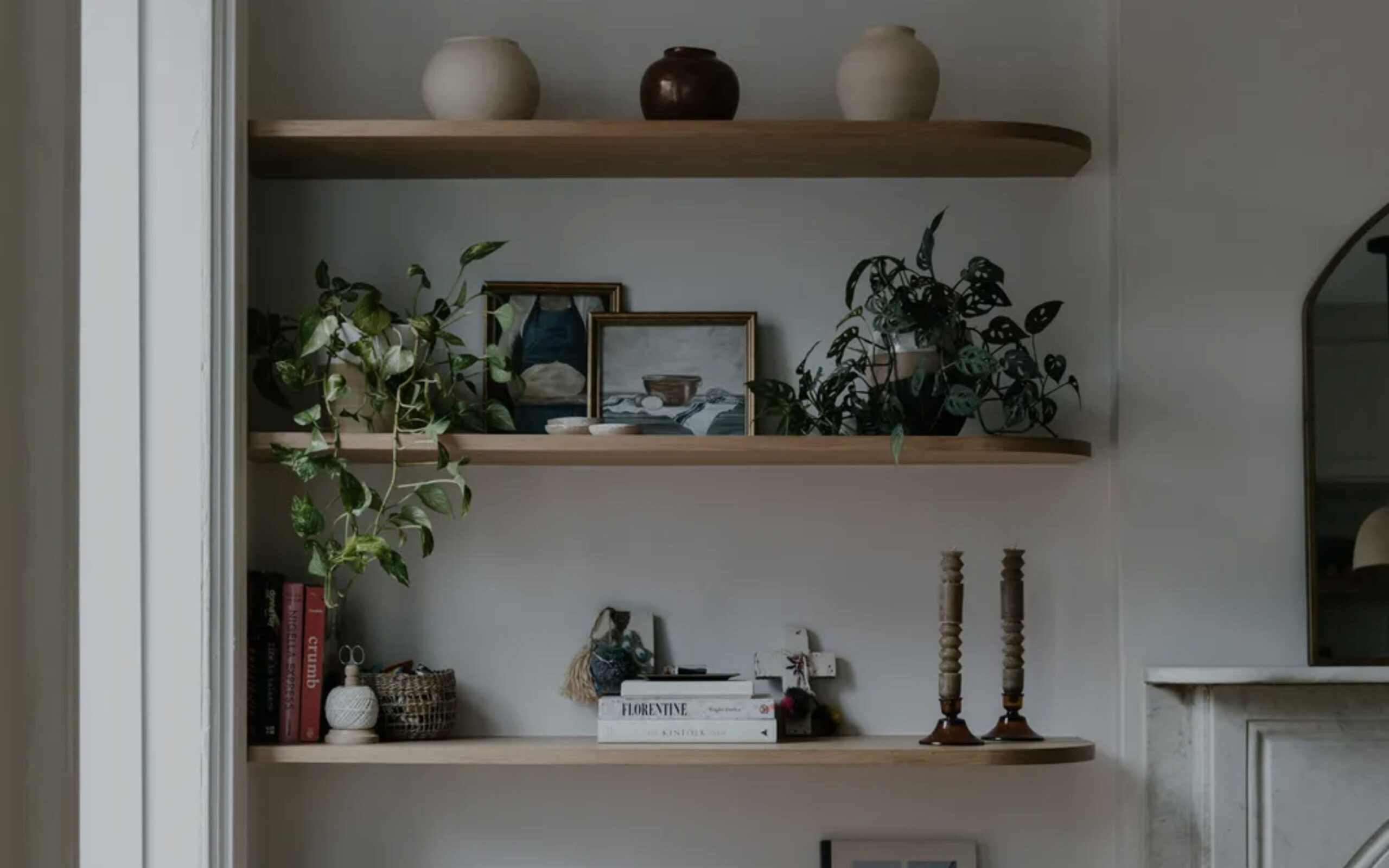
Image from :livingetc.com

Image from : spryinterior.com
DIY Floating Shelves: Basic Considerations
Building your own floating shelves lets you customize size and finish exactly. Common approaches use plywood or solid boards over a hidden wooden frame or metal brackets screwed securely into wall studs.
You’ll typically need lumber, wood glue, screws, sandpaper, and a finish like stain or paint. Measure carefully, locate studs with a finder, and ensure the frame sits level. Many tutorials emphasize reinforcing with cleats for stability. If you’re new to DIY, starting with pre-cut kits or simple bracket systems reduces risk.
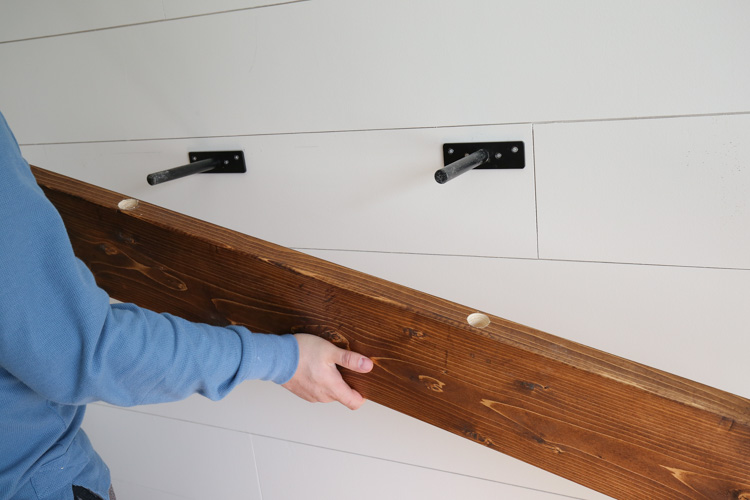
Image from :angelamariemade.com
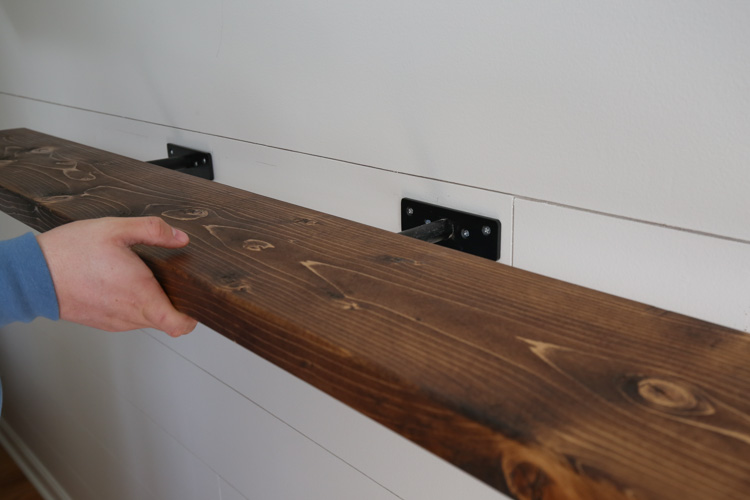
Image from :angelamariemade.com
Kitchen Floating Shelf Ideas
Kitchens gain both function and personality from open shelving. Place shelves above counters for frequently used mugs, spices, or cookbooks. Narrow shelves beside the stove hold oils and utensils within easy reach.
For smaller kitchens, floating shelves replace upper cabinets in part, making the space feel airier. Group items by use: everyday dishes on lower shelves, decorative serving pieces higher up. Mix in a few plants or matching jars for visual flow.
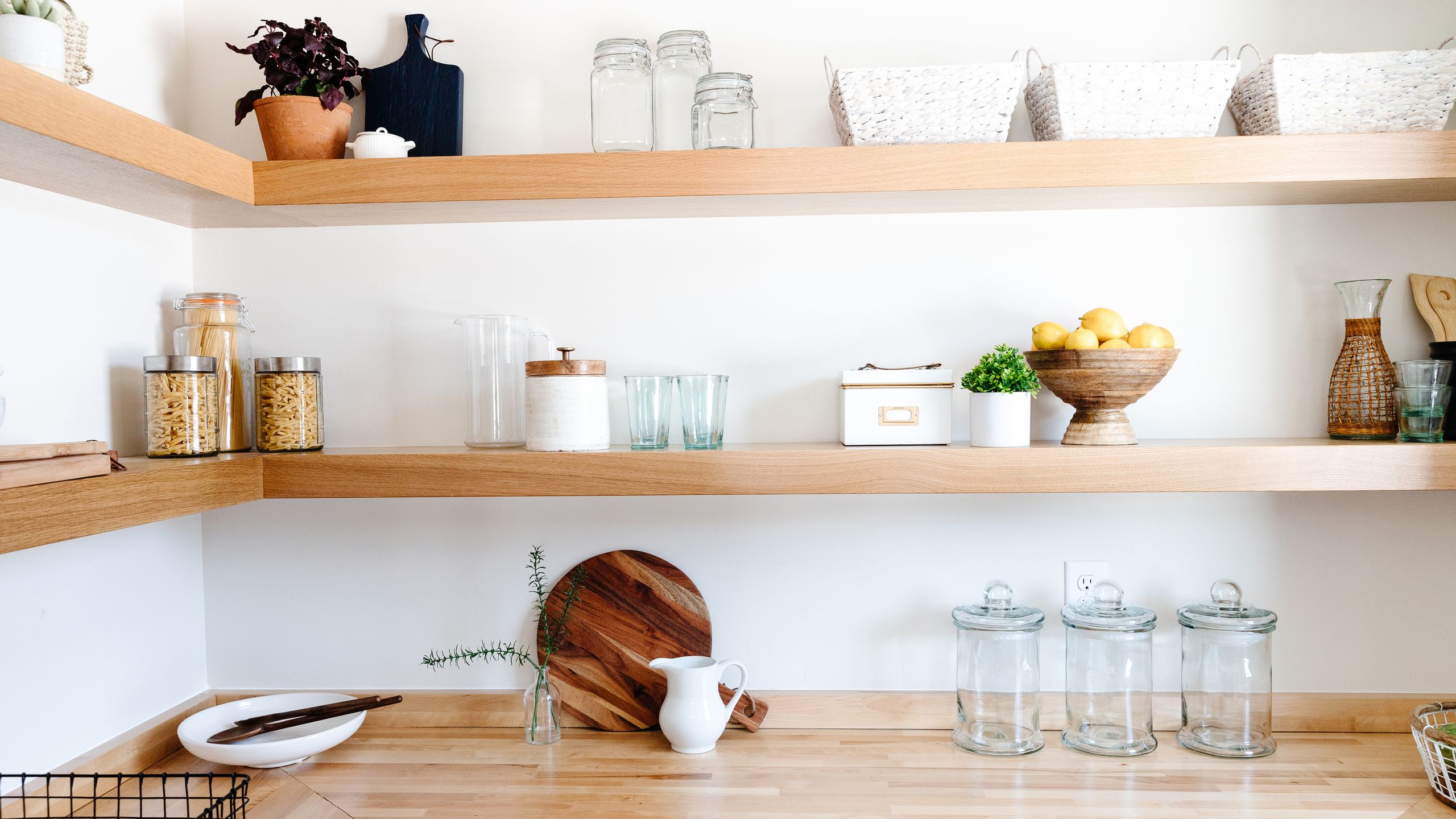
Image from :realhomes.com
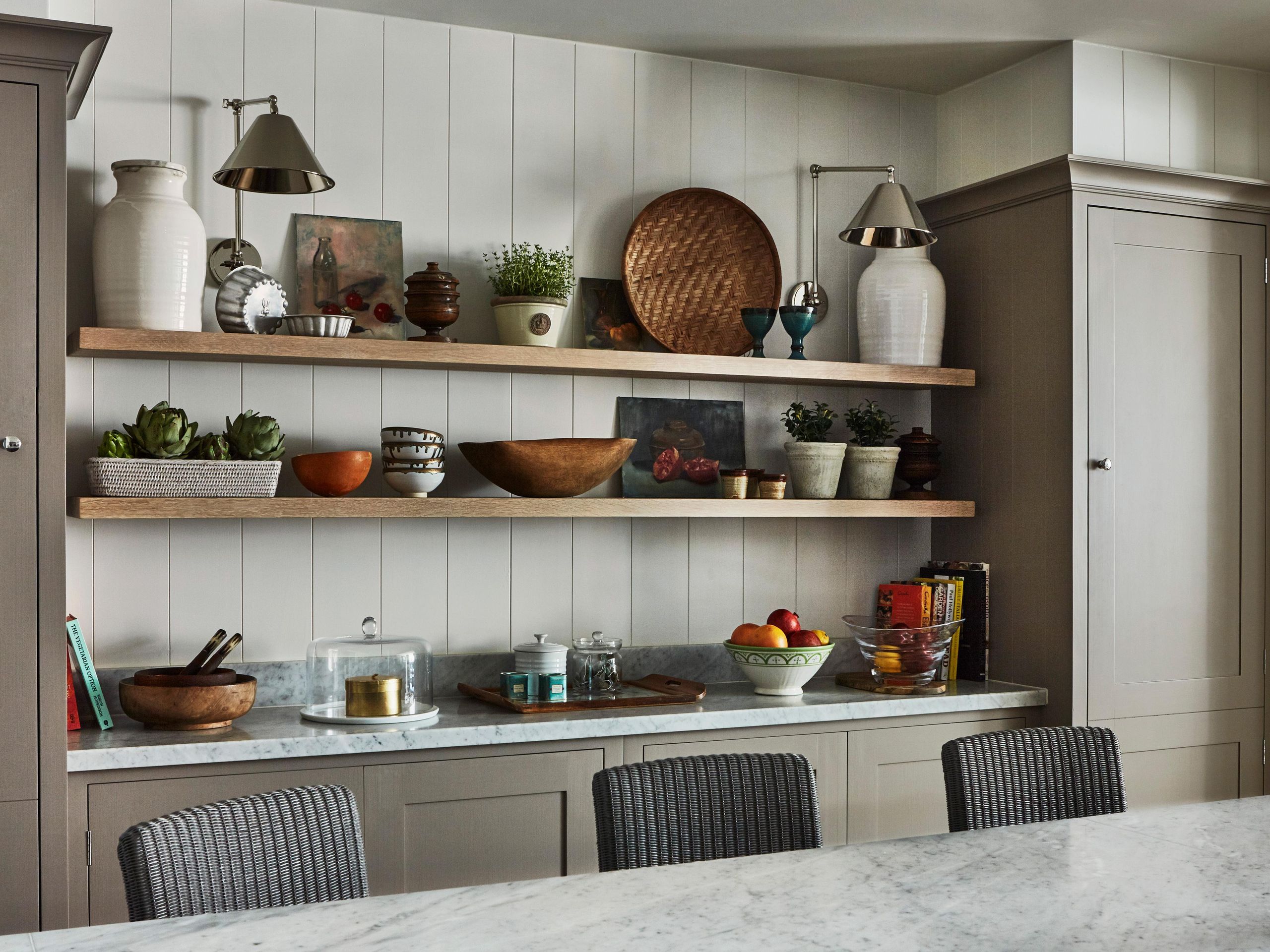
Image from :homesandgardens.com
Bathroom Shelf Organization
Bathrooms often lack storage, making floating shelves a natural fit. Install them above the toilet for towels and extra toilet paper, or beside the vanity for skincare and makeup. Shallow depths (4–6 inches) work best here to avoid knocking items into the sink.
Water-resistant materials or sealed wood help in humid spaces. Keep styling simple—group by category and height to prevent a cluttered countertop look.
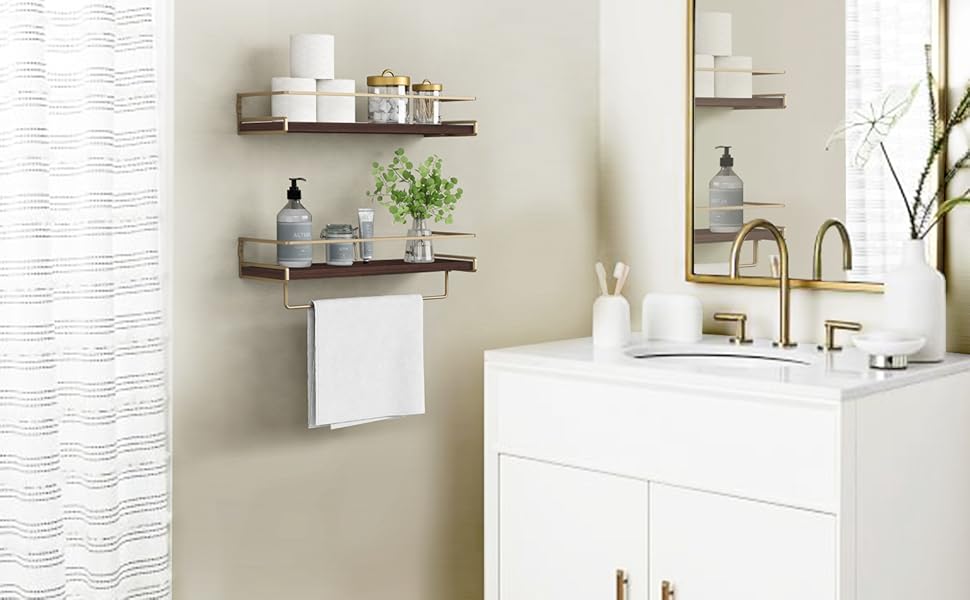
Image from :amazon.com
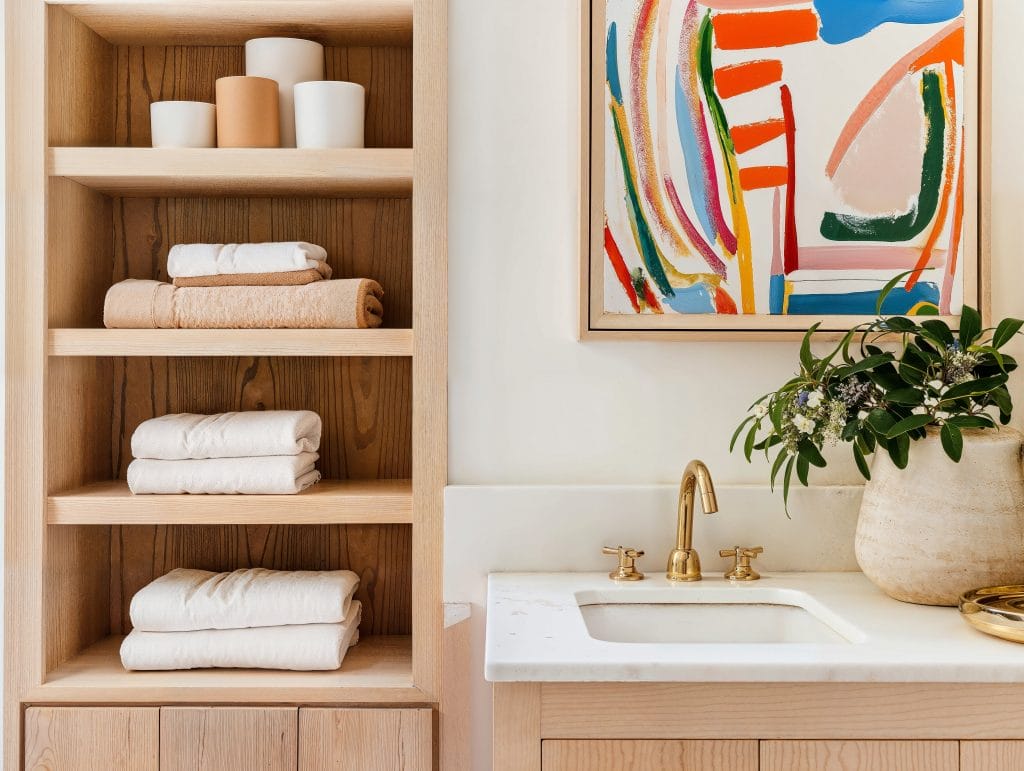
Image from :decorilla.com
Bedroom Floating Shelf Ideas
In bedrooms, floating shelves serve as nightstands without taking floor space or as display areas above the bed. A pair of matching shelves on either side of the bed holds lamps, books, and chargers. Longer shelves along one wall create a reading nook or gallery for framed photos and small plants.
For kids’ or guest rooms, lower shelves make books accessible.
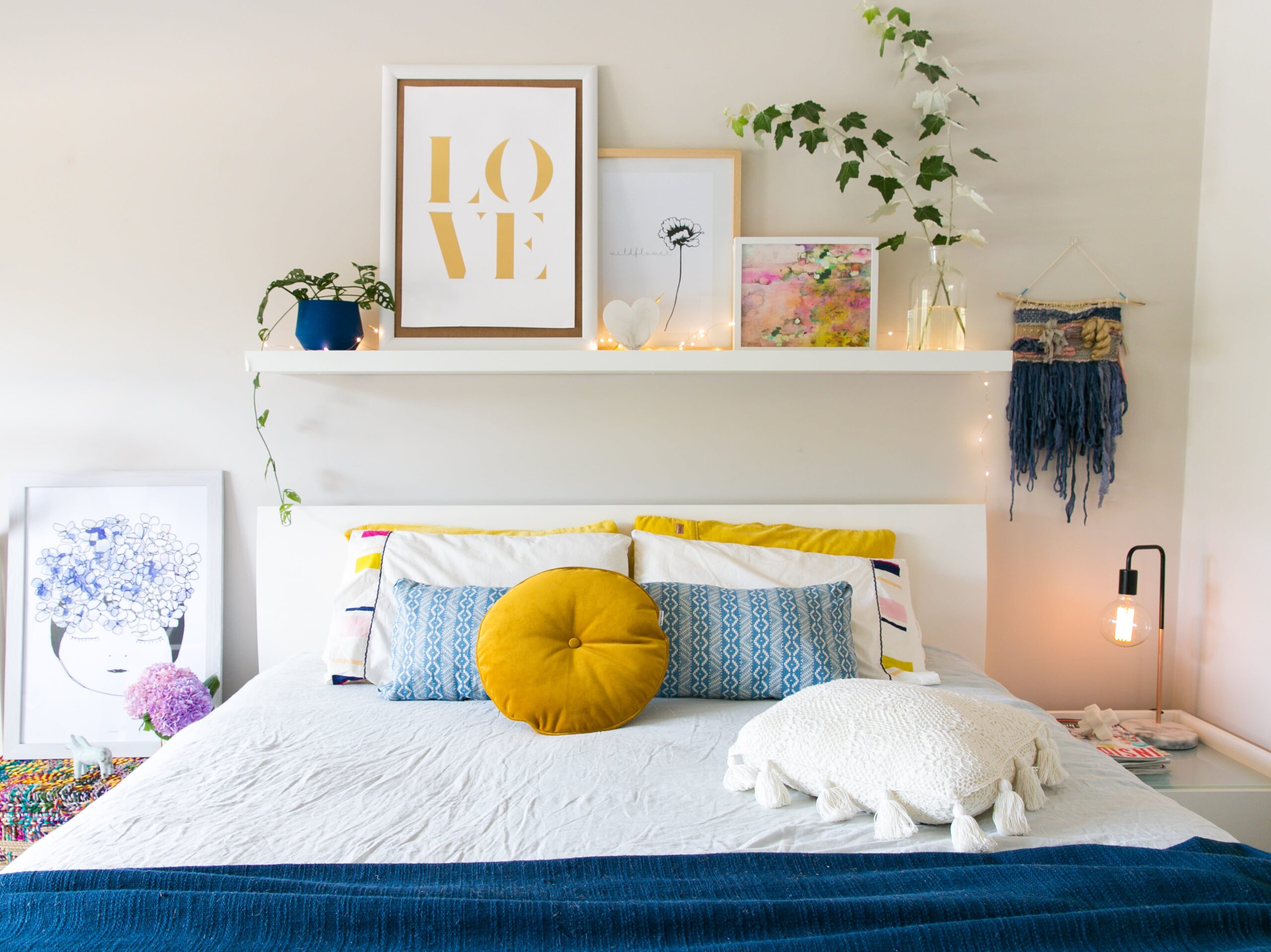
Image from :apartmenttherapy.com
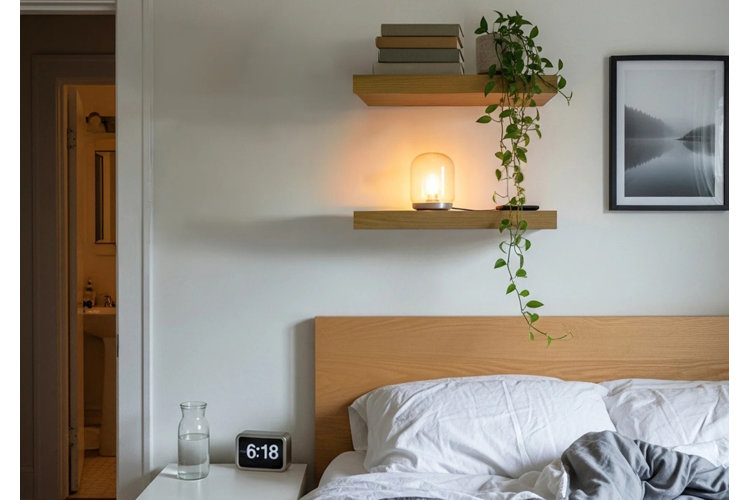
Image from :wayfair.com
Living Room Wall Shelves
Living rooms offer the most styling freedom. Use floating shelves to create a focal point above a sofa or fireplace. Staggered arrangements add visual rhythm, while symmetrical layouts feel more formal.
Display a mix of books, artwork, vases, and candles. Layer items—taller pieces at the back, smaller ones forward.
:max_bytes(150000):strip_icc()/AnnGottlieb-AngelaNewtonRoyPhotography1-96c133e2b3f5474e92d34fd48d15890a-e2db129fd2f44c0fa673337333bcd1cd.jpg "Floating Shelf Ideas for Home Organization That Look Stylish 16")
Image from :southernliving.com
Minimalist Shelf Styling Tips
Minimalist shelf styling relies on restraint and balance. Start with a neutral base color, then add 3–5 items per shelf. Use the rule of thirds: one taller focal piece, a medium element, and smaller accents.
Incorporate negative space—don’t fill every inch. Organic touches like a single plant or textured bowl soften hard lines. Group by color family or material for calm cohesion.
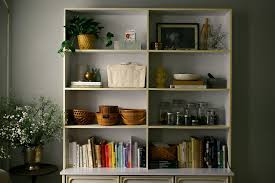
Image from :steviestorck.com

Image from :food52.com
Wall Shelf Decor Ideas Across Rooms
Beyond pure organization, treat shelves as mini galleries. In any room, combine framed art, small sculptures, candles, and greenery. Books add color and texture when stacked both vertically and horizontally.
For visual depth, mix heights and shapes—round trays with rectangular frames, matte with glossy finishes. The goal is functionality first, then layers that feel collected over time.
Conclusion
Floating shelves deliver versatile storage and style without dominating a room. By focusing on your specific space, needs, and existing decor, you can create setups that feel personal and practical. Start small—test one or two shelves in a problem area—and build from there. The best results come from thoughtful placement and editing what you display.
FAQ Section
How much weight can floating shelves typically hold? It depends on the mounting method, material, and whether screws go into studs. Most quality shelves list weight limits—light decor shelves handle 10–20 lbs per foot, while reinforced ones manage more for books or heavier items. Always follow manufacturer guidelines.
Are floating shelves good for renters? Many are, especially those with smaller screws or removable anchors. Choose lighter-duty options and avoid heavy drilling.
What’s the best depth for kitchen or bathroom floating shelves? Kitchen shelves often work at 8–12 inches deep for plates and cookbooks. Bathroom versions stay shallower (4–8 inches) to save space and reduce accident risk. Measure your items first.
How do I keep minimalist shelves from looking empty or cluttered? Use odd numbers of items, vary heights and textures, and leave intentional empty space. Group similar items and edit regularly.
Can I install floating shelves without finding studs? It’s possible with heavy-duty drywall anchors, but results are more secure when attached to studs. For safety with heavier loads, locating studs is recommended.
What materials last best in humid bathrooms? Sealed wood, metal, or acrylic options resist moisture better than unfinished lumber. Proper sealing and good ventilation help.