How to Build a Vibrant Pollinator Garden: A Complete Guide for Gardeners
A garden buzzing with life is a sign of balance. Bees hum between blossoms, butterflies drift from flower to flower, and hummingbirds pause to sip nectar — all playing a vital role in keeping nature thriving. Creating a pollinator garden isn’t just about adding color; it’s about building a living ecosystem that supports these small but powerful creatures.
Whether you have a sunny backyard, a small balcony, or just a few containers, you can design a space that attracts pollinators year-round. Thoughtful garden layouts not only help organize your plants but also make your space more welcoming for bees and butterflies. By choosing the right plants, avoiding chemicals, and offering shelter and water, you’ll help sustain local wildlife while enjoying a garden that’s beautiful, resilient, and full of motion.
In this guide, we’ll walk through every step of starting your own pollinator haven — from selecting native plants to planning for seasonal blooms — so your garden becomes a thriving home for bees, butterflies, and beyond.
1. Why a Pollinator Garden Matter
- Pollinators (such as bees, butterflies, moths, hummingbirds) are essential for reproduction in many plants, including many of our food crops. Without adequate pollination, fruit, seed, and vegetable production suffers.
- Native plant species support local insect populations more reliably than many introduced species. They are better adapted to climate, soil, seasonal moisture, and local pests.
- Gardens designed for pollinators can increase biodiversity, improve soil health, reduce water use (when suitable plants are chosen), and offer aesthetic and emotional benefits for people who observe nature.
2. Picking the Best Location: Soil, Light & Shelter

| Factor | Why It’s Important | What to Do |
|---|---|---|
| Sunlight | Many nectar-rich plants require at least 6 hours of direct sun to produce blooms and nectar. Without enough light, flowering and pollinator attraction drop. | Choose a spot that is sunny for most of the day. If you have shady areas, pick shade-tolerant species for those parts. |
| Soil type & drainage | Pollinators thrive when their food sources (plants) are healthy. Waterlogged soil can rot roots; overly sandy soil may not retain enough moisture. | Test or observe your soil: is it clay, loamy, sandy? Amend if needed (compost helps). If drainage is poor, consider raised beds or improving soil structure. |
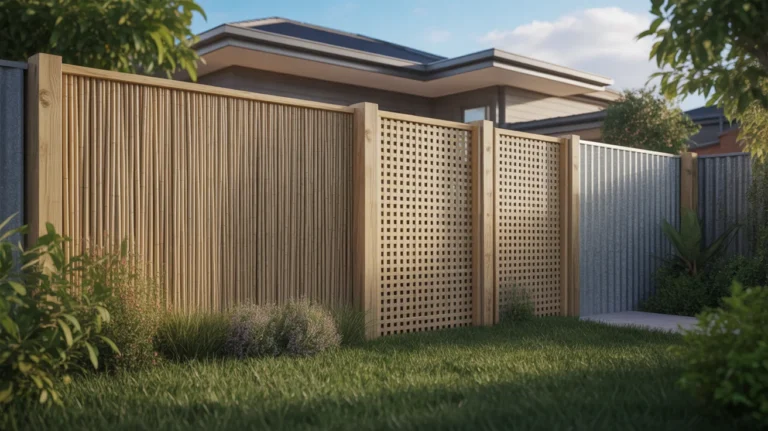
| Shelter / wind protection | Strong winds reduce pollinator activity (they avoid foraging in gusty conditions) and can damage delicate blooms. Also, shelter contributes to nesting sites and safety. | Use hedges, fences, trees or even strategically planted taller plants to block wind. Leave some natural debris or brush for cover. |
3. Selecting Plants: Native vs Non-native, Bloom Timing & Diversity

- Choose native plants whenever possible. These co-evolve with local pollinators, provide better nectar/pollen access, and are generally more resilient.
- Ensure plants bloom at different times so there is food available from early spring through late fall. Early bloomers feed pollinators coming out of dormancy; late bloomers help them build reserves.
- Mix flower forms and colors. Different pollinators prefer different shapes (tubular, flat, clustered) and colors (bees like blue and yellow; butterflies often like bright colors).
- Avoid double or heavily hybridized flowers which may look attractive but often reduce access to nectar or produce less pollen.
4. Water, Nesting & Habitat: Beyond Flowers
- Provide shallow water sources with stones or pebbles so insects can drink safely without drowning.
- Leave patches of bare ground for ground-nesting bees. Retain dead wood, stems, leaf litter for nesting, shelter or overwintering.
- Consider bee houses or shelter structures (bundles of hollow stems, driftwood, etc.). Orientation matters: sheltered, sunny spots are ideal.
5. Avoiding Harmful Practices: Pesticides, Herbicides & Lawn Myths
- Avoid use of synthetic insecticides or herbicides — many are toxic to pollinators, even in sublethal doses.
- Don’t over-fertilize. Rich soils favor fast-growing weeds and may reduce the competitiveness of native wildflowers adapted to poorer soils.
- Landscape fabric (plastic weed barriers) may seem helpful but can prevent natural processes (seed dispersal, soil contact, water percolation) and interfere with pollinator habitat.
6. Planting, Mulching, and Maintenance
- Plant in clumps or drifts rather than single plants scattered: easier for pollinators to find food sources and more visually impactful.
- After planting or sowing seeds, water well and mulch (with organic mulch) to retain moisture, suppress weeds, and help soil health.
- Deadhead spent flowers (remove after flowering) to encourage new blooms, unless leaving seed for wildlife is part of your plan.
7. Seasonal Tips for Continuous Bloom

| Season | What to Do & Key Plants |
|---|---|
| Spring | Use early-bloom natives: bulbs, spring perennials (croci, early wildflowers). Provide fresh water and remove heavy mulch to allow soil warming. |
| Summer | Peak flowering: plant heat-loving species, maintain watering, ensure diversity so when one plant finishes others take over (e.g. coneflowers, bee balm, lantana). |
| Fall | Include late bloomers (asters, goldenrod, sedum) so pollinators can prepare for winter. Let foliage and seedheads remain for habitat and food. |
8. Common Mistakes to Avoid
- Planting all at once but with species that bloom simultaneously → results in “feast or famine” periods.
- Over-tidying the garden: removing dead stems, leaf litter, or bare soil removes nesting/hiding sites.
- Using plants treated with insecticides or buying nursery plants that have been pre-sprayed.
- Ignoring local conditions: using plants unsuited to your soil or climate leads to failure or high maintenance.
9. Suggested Plants List (with Local Adaptation Notes)
Here are some plants often well suited to pollinator gardens. You’ll want to select those adapted to your region (climate, rainfall, soil).
- Butterfly favourites: milkweed, zinnia, lantana, cosmos
- Bee-attractive: lavender, salvia, thyme, sage
- Late-season nectar: goldenrod, asters, sedum
- Herbs that bloom: oregano, chamomile, thyme, mint (in moderation)
(Note: avoid invasive species in your region; consult local plant societies or extension services.)
Conclusion
Building a pollinator garden is a rewarding endeavor. With thoughtful site choice, plant diversity, safe habitat, and ongoing care, your garden can become a thriving ecosystem. Farmers, neighbors, and communities benefit — and you get a beautiful, living space that changes through the seasons.