7 Proven Ways to Get Rid of Kitchen Ants Fast – Say Goodbye to Ants Today
If you’re like me, finding ants marching through your kitchen is more than just an inconvenience – it’s a real headache. Over time, I’ve had my fair share of battles with these persistent pests, and I’ve learned that just a quick wipe down of the counters isn’t going to cut it. Understanding how ants invade your kitchen, what drives them, and what will truly get rid of them for good has been crucial in keeping my home pest-free. Let me walk you through seven of the most effective methods I’ve used that have worked in eliminating ants fast – without bringing out the chemicals.
Understanding the Ant Problem: Why Do They Invade?
Ants are incredibly resourceful creatures, and they will come into your kitchen in search of three main things: food, water, and shelter. If there’s even the smallest bit of food residue, you can bet they’ll find it. I’ve realized that the trick isn’t just cleaning up after meals but addressing the root cause – moisture, food, and cracks in your kitchen. By making the environment unappealing to ants, you’re already one step ahead. Just like keeping your home free from pet hair can make a space cleaner and more inviting, managing tiny nuisances like crumbs and moisture can prevent ants from invading. For tips on keeping surfaces spotless and allergen-free, check out our ultimate guide to pet hair removal.
Prevention: The First Line of Defense
Before diving into methods, let me first say – prevention is everything. I’ve found that the more proactive you are, the less likely ants will find their way into your home. Here are a few things I’ve done that made a huge difference:
- Regular Cleaning: I started wiping down my kitchen surfaces after every meal. Crumbs, spills, and even grease stains are major ant attractants. Even though it seems simple, keeping my counters spotless has made a big difference.
- Store Food Properly: I switched to airtight containers for dry goods, and that alone helped keep ants out of the pantry. No more leaving pet food out overnight either.
- Fix Leaks: I couldn’t believe it when I read that ants are attracted to moisture. Fixing leaky faucets and wiping down any condensation from the fridge or pipes eliminated a lot of their water sources.
7 Proven Methods I Use to Get Rid of Kitchen Ants
1. Ant Baits: Patience Pays Off
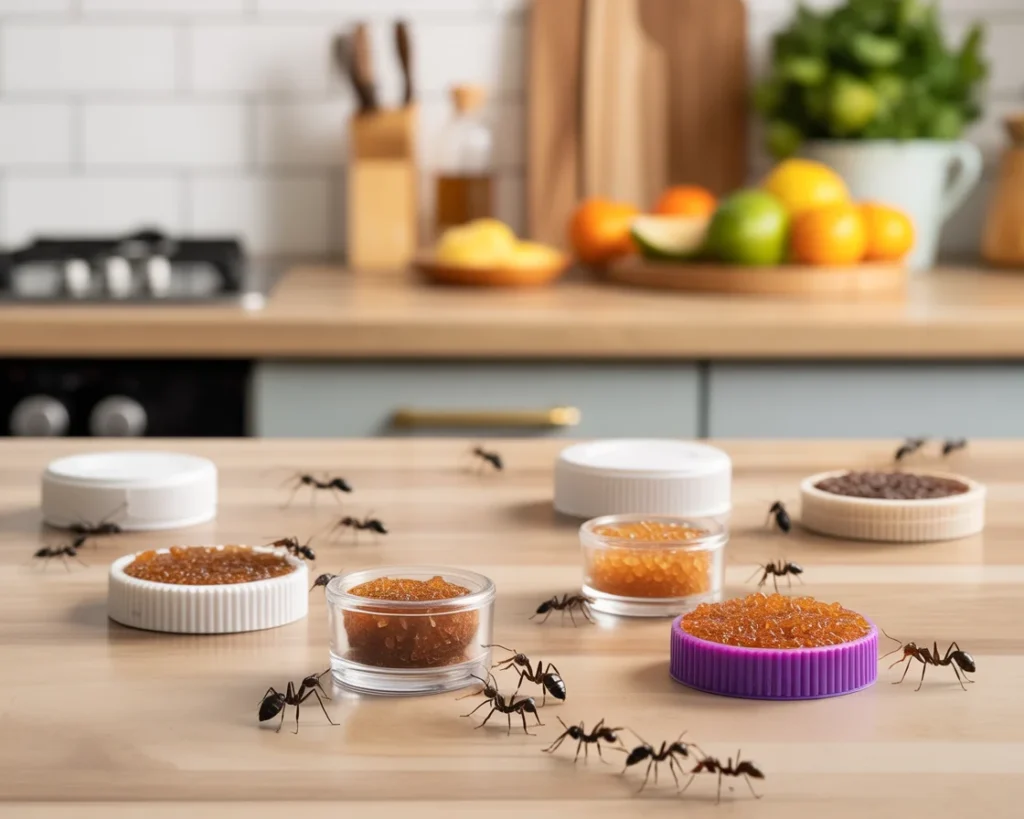
One of the most effective methods I’ve used is ant baits. I opted for both sugar-based and protein-based baits because different species are attracted to different foods. These baits take time, but they work from the inside out. The foraging ants carry the bait back to their nest, feeding it to the queen and wiping out the colony. It’s a slow process, but well worth it.
Here’s the trick I learned: Don’t be tempted to spray ants you see while the baits are out. If you kill the foragers too soon, the bait won’t make it back to the colony. Leave the ants alone, and give it a few days to a week before you see the full results. According to the EPA’s Citizen’s Guide to Pest Control and Pesticide Safety, patience is essential when using ant baits, as it allows the poison to reach the colony and ensures more effective elimination.
2. Natural Repellents: A Safer Alternative
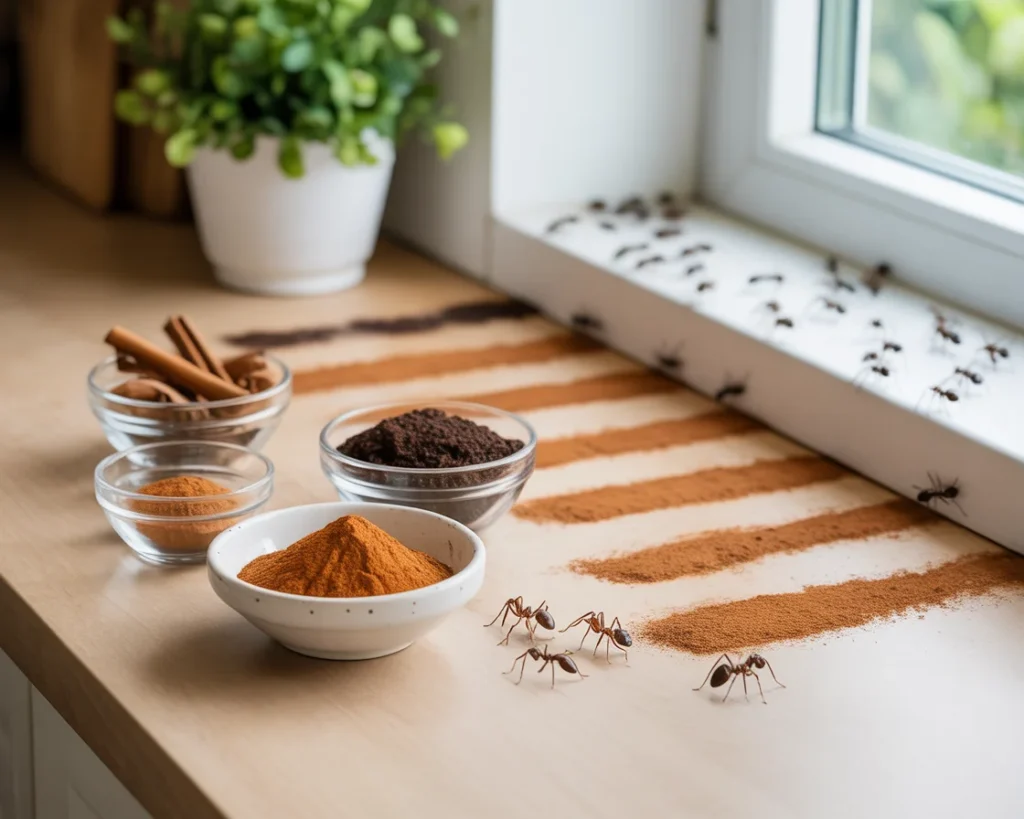
After trying a bunch of repellents, I found that cinnamon, black pepper, and even coffee grounds worked well for creating barriers. I sprinkle them around windowsills, doorways, and ant trails, and they seem to keep ants from crossing these lines. If you prefer something more practical, I also tried food-grade diatomaceous earth (DE), which works by drying out ants. It’s safe around pets and kids as long as it’s food grade, but you’ll need to use it in dry areas, as moisture reduces its effectiveness.
3. Vinegar: Nature’s Disruptor
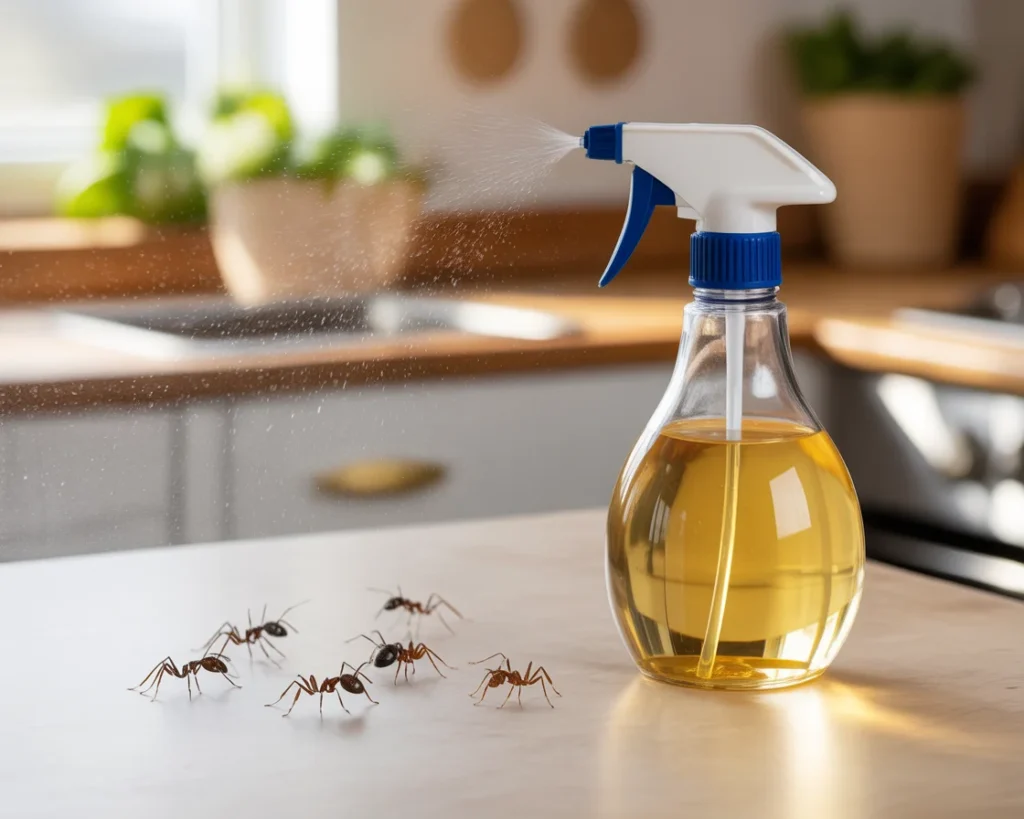
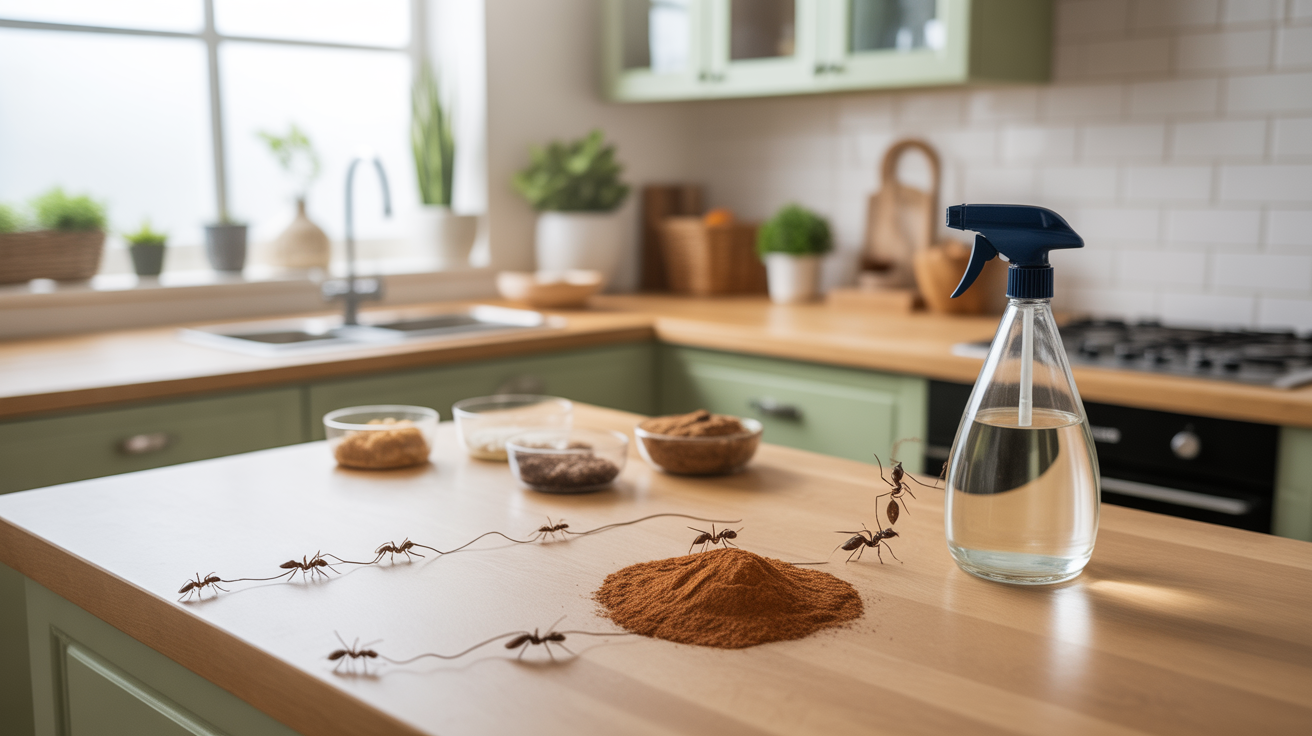
This one was a game-changer for me. White vinegar masks the ants’ pheromone trails, so they lose their way. I mixed equal parts vinegar and water in a spray bottle and used it to wipe down surfaces, and I also sprayed it directly on the ants. It doesn’t kill them, but it disorients them, making it harder for them to navigate. It’s a great chemical-free solution, especially around food prep areas.
4. Essential Oils: Smell the Success
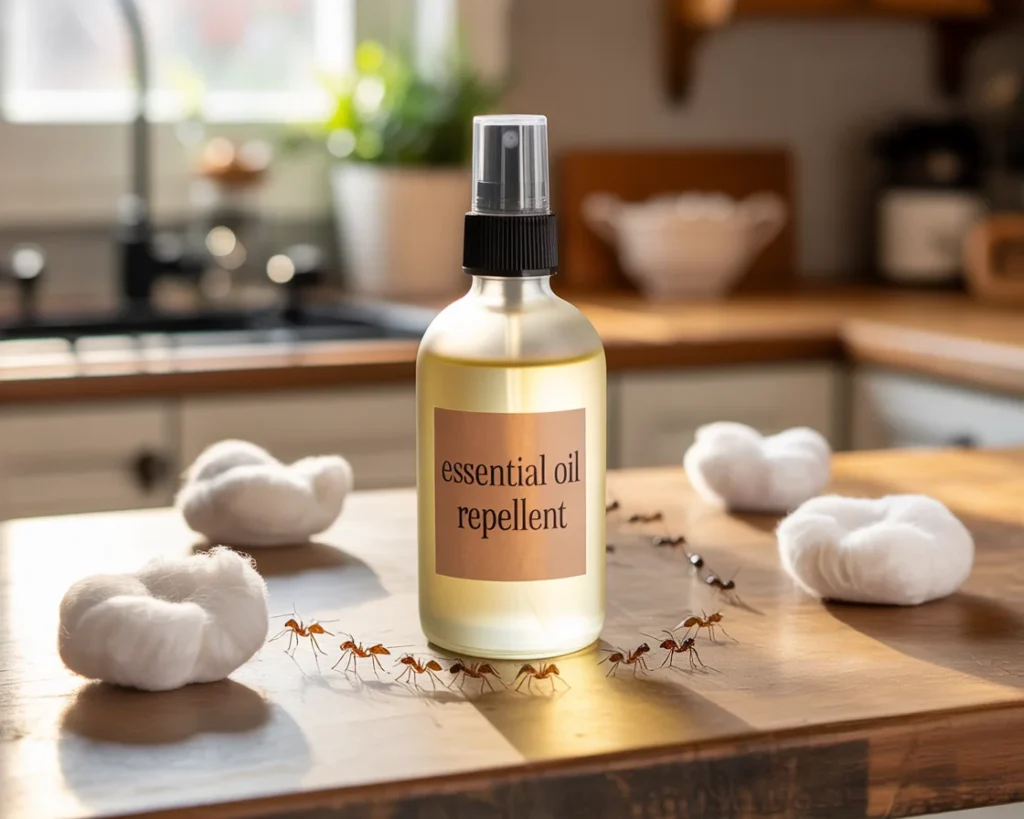
Essential oils like peppermint, tea tree, and citrus oils are known to repel ants. I mixed 10-20 drops of peppermint oil with water in a spray bottle and applied it along entry points and places I saw ants. The scent is strong and keeps ants from following their scent trails. Plus, it leaves a refreshing fragrance behind. I’ve found this method to be highly effective, and it’s totally safe for kids and pets.
5. Borax and Sugar: Homemade Ant Bait
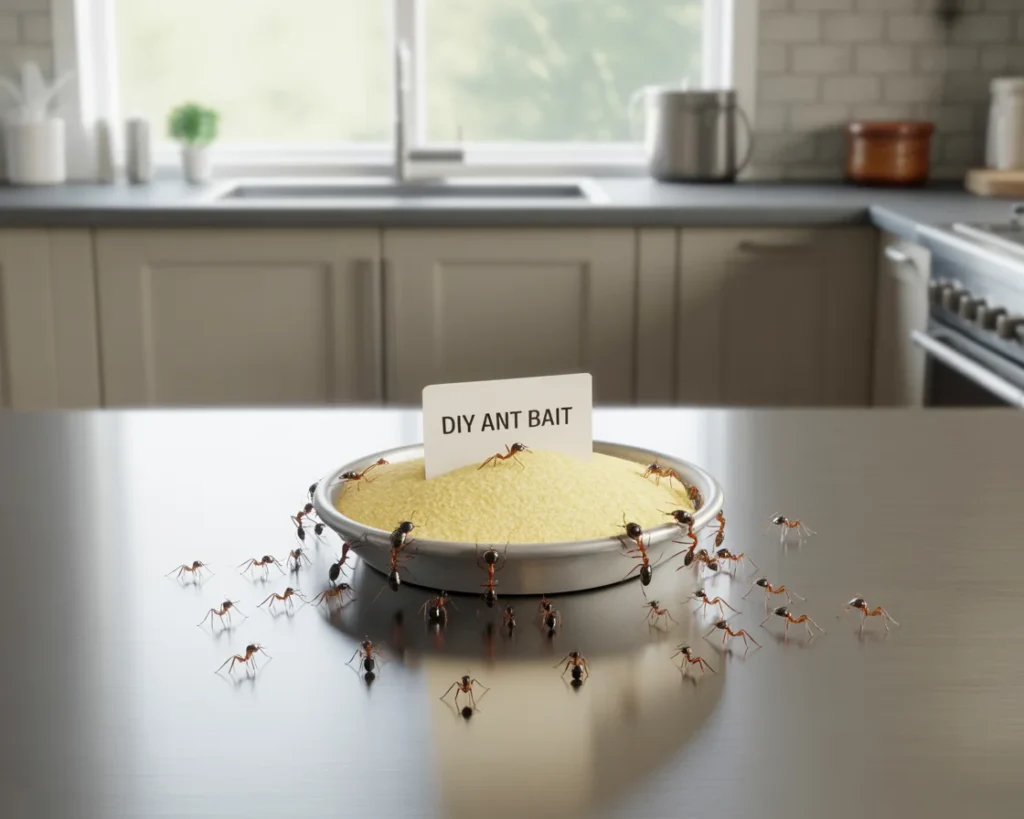
I wasn’t sure about using Borax at first, but after reading about it, I decided to try it. Mixing Borax with sugar (I used powdered sugar for a smoother texture) made an irresistible bait for ants. The sugar attracts them, and the Borax poisons them slowly. They take it back to the nest, wiping out the entire colony. It’s a great DIY method, but like the store-bought baits, it takes patience.
6. Sealing Entry Points: Keep Them Out for Good
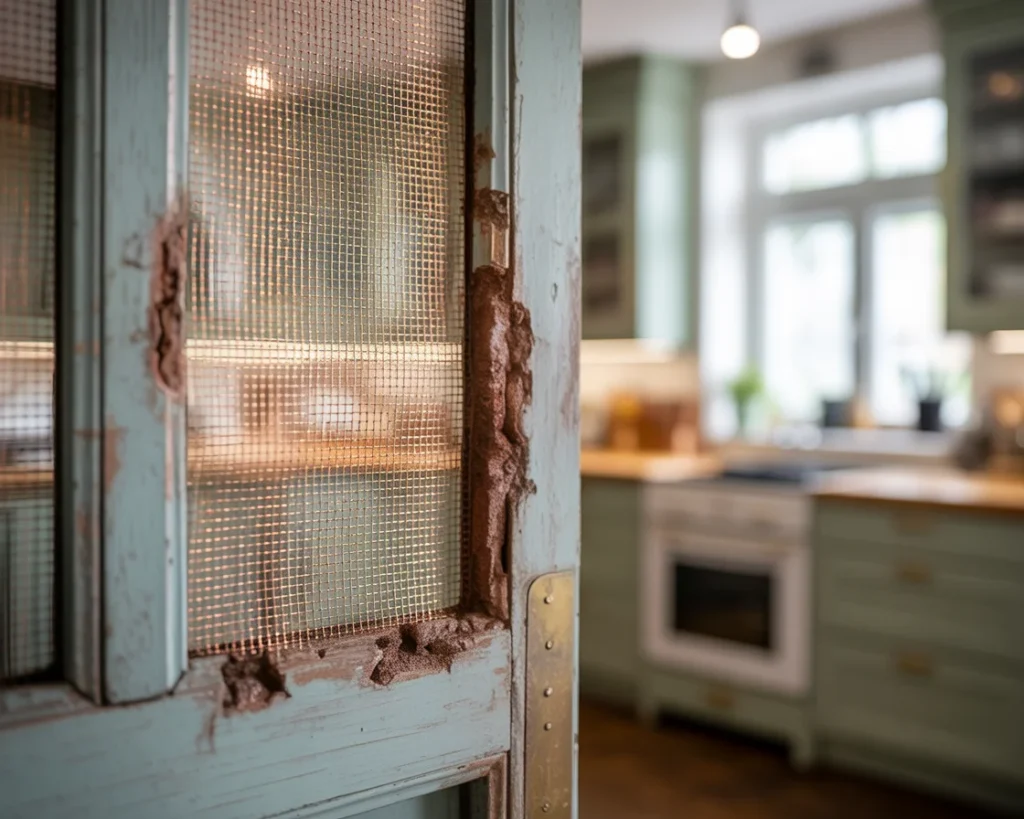
I learned the hard way that ants can get through even the tiniest cracks. I did a full inspection of my kitchen and sealed cracks around the windows and doors with caulk. For bigger gaps, I used steel wool or copper mesh before sealing them up. Sealing these points prevents new ants from getting in, so it’s an essential step once you’ve eliminated the current colony.
7. Professional Help: When to Call in the Experts
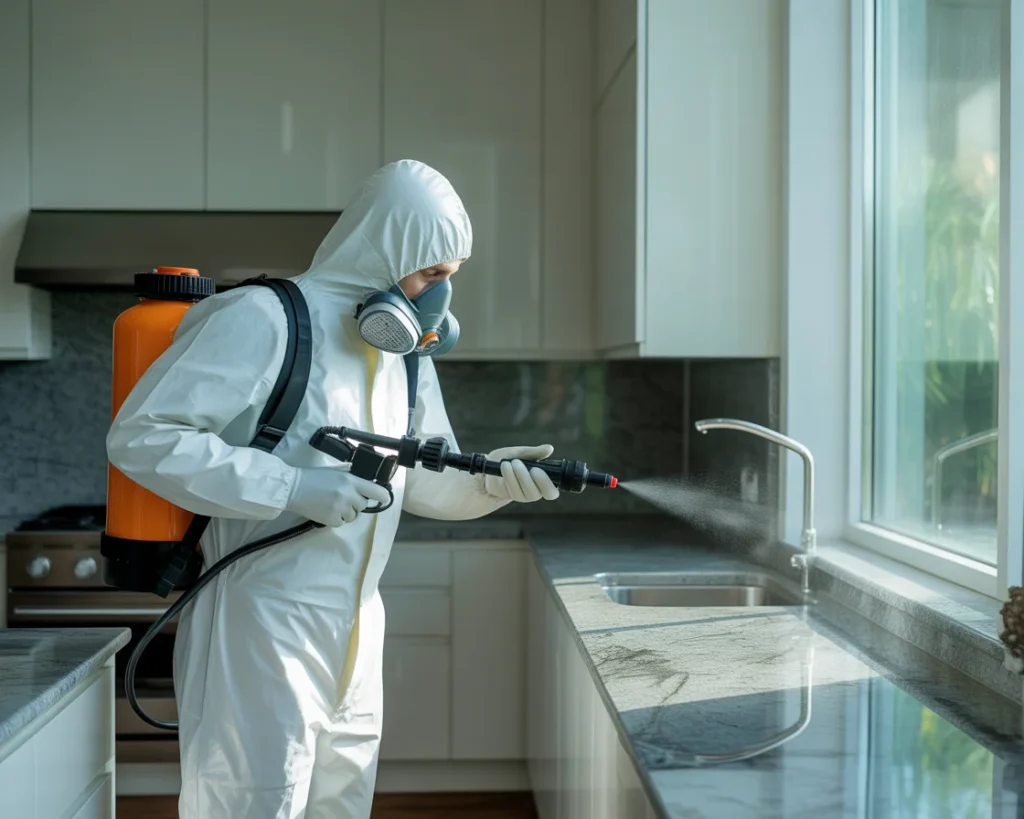
Sometimes, DIY methods just aren’t enough. After several unsuccessful attempts, I called in pest control when my kitchen became overrun. Professionals have access to stronger, more targeted treatments and can locate the nest, often in places I couldn’t reach. If your ant problem persists, it might be time to get expert help.
Maintaining an Ant-Free Kitchen
After I eliminated the ants, I found that keeping them out was more about consistency than anything else. I continued my cleaning routine and made sure all food was sealed and water sources were cut off. Keeping an eye out for cracks and new ant trails became a part of my regular routine.
I also started using essential oils or vinegar as part of my weekly cleaning, which helped to maintain a barrier. It’s all about creating an environment that ants don’t find appealing.
Read More:
How to Keep Rabbits Away from Your Garden (Naturally & Effectively)
Conclusion: Stay Proactive and Reclaim Your Kitchen
I can confidently say that these methods have helped me reclaim my kitchen. By understanding why ants invade, being proactive with prevention, and using these proven strategies – from baits to sealing entry points – I’ve managed to keep my kitchen ant-free. Remember, patience is key, but with consistency and the right approach, your kitchen will stay clean and free of ants.
By following these steps, you’ll not only eliminate ants but also create a cleaner, more hygienic space for you and your family. And if the problem persists, don’t hesitate to call in the experts. It’s all about finding what works best for your home and making sure those tiny invaders stay out for good.
FAQS
1. How do I get rid of kitchen ants naturally?
You can use natural solutions like vinegar, lemon juice, or baking soda to repel and eliminate ants without chemicals. Regular cleaning and sealing entry points also help.
2. Why do ants keep coming back to my kitchen?
Ants are attracted to food and water. Even tiny crumbs or spills can lure them in. Sealing food containers and cleaning surfaces regularly prevents repeated infestations.
3. Are ant baits effective for kitchen ants?
Yes, ant baits attract ants, which carry the poison back to their colony, effectively eliminating the source. Make sure to place baits where ants are active but out of reach of children and pets.
4. Can I prevent ants without using chemicals?
Absolutely. Keep your kitchen clean, store food in airtight containers, fix leaks, and use natural repellents like cinnamon, peppermint, or vinegar along ant trails.
5. How long does it take to get rid of kitchen ants completely?
It depends on the severity of the infestation. With consistent cleaning and the right methods, you can start seeing results within a few days, but full elimination may take 1–2 weeks.