Best Indoor Plants for Air Purification: Breathe Cleaner & Beautify Your Home
Indoor plants do more than decorate your space—they actively clean the air you breathe. Certain houseplants absorb toxins, improve humidity, and boost overall well-being. If you want to transform your home into a fresher, healthier environment, here’s a list of the best indoor plants for air purification that are easy to care for and stunning to look at.
Spider Plant (Chlorophytum comosum)
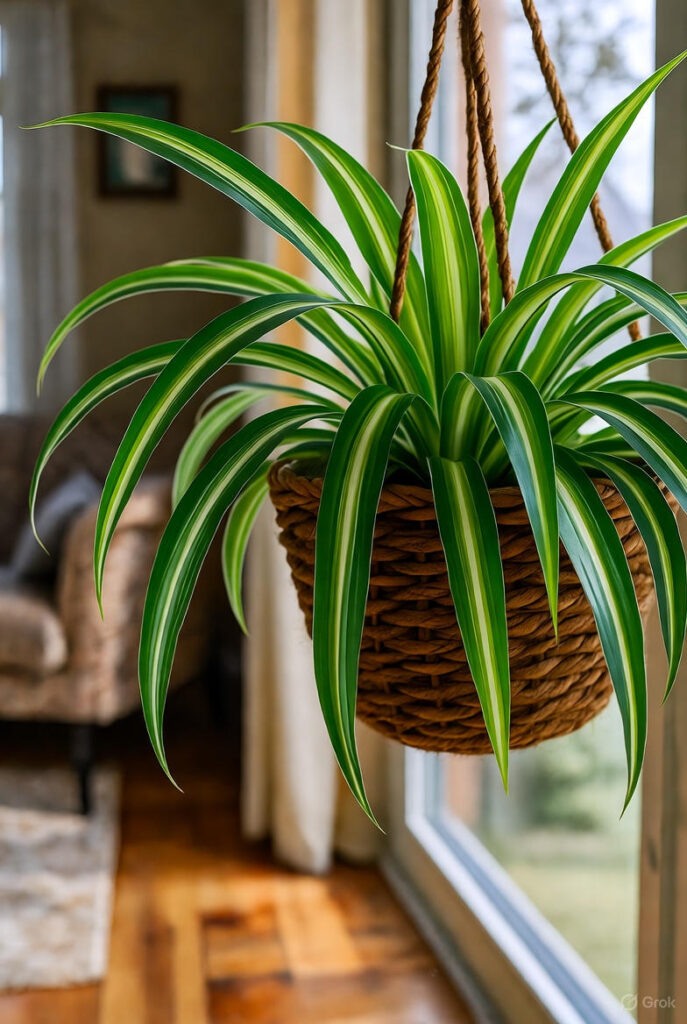
Spider plants are charming, resilient, and effective at cleaning indoor air. Their arching green leaves with subtle white stripes add freshness to any space. They work naturally to reduce pollutants like formaldehyde and carbon monoxide, improving the overall air quality in your home. These plants grow quickly and produce tiny “spiderettes” that can be propagated easily, making them a fun plant for beginners. Bright, indirect light is best, but they can adapt to lower light conditions. Regular watering keeps them lush, but they won’t mind occasional neglect. Spider plants enhance both aesthetics and health, making your living areas feel more alive and vibrant. For more beginner-friendly options, check out easy indoor plants for beginners that add beauty and freshness to your home.
2. Peace Lily (Spathiphyllum)
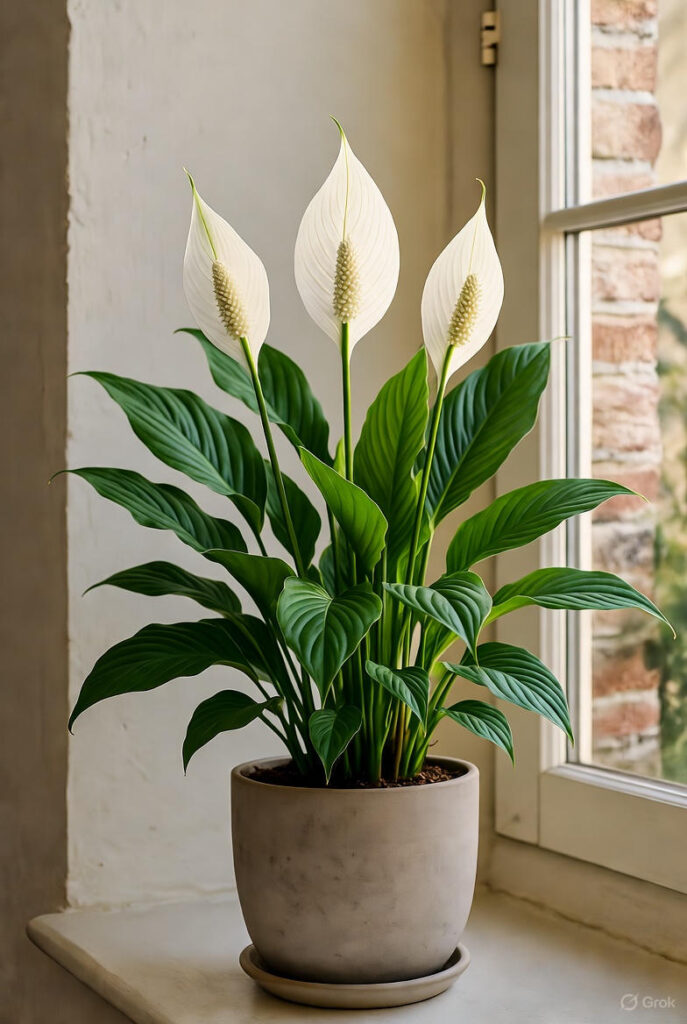
Peace lilies are graceful indoor plants known for their elegant white blooms and glossy green leaves. They naturally absorb airborne toxins such as ammonia and benzene while adding a serene touch to your home. These plants thrive in moderate to low light and require only weekly watering to stay healthy. The white flowers appear periodically, creating a soft contrast against the dark foliage. Placing a peace lily in living rooms or offices helps maintain a calm atmosphere while subtly purifying the air. Their gentle presence makes them a favorite for those seeking both beauty and function in indoor greenery.
3. Aloe Vera (Aloe barbadensis miller)
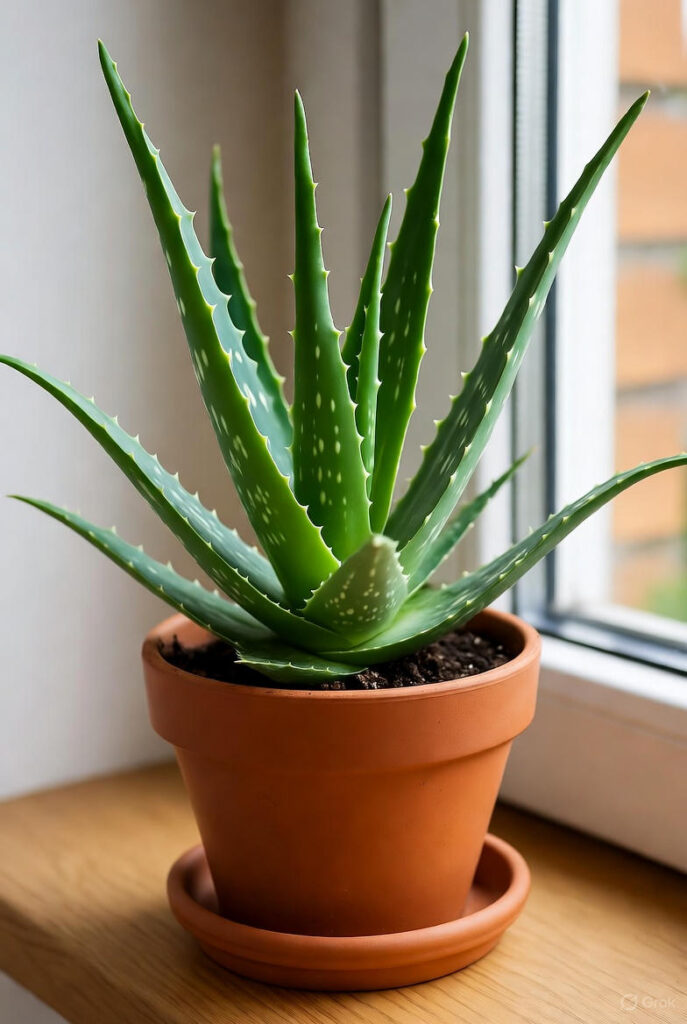
Aloe vera is not only a natural healer but also an efficient air purifier. Its thick, fleshy leaves store water and release oxygen while filtering harmful chemicals like formaldehyde and benzene. This plant requires minimal care, thriving in bright indirect sunlight with occasional watering. Aloe vera’s compact and upright form makes it perfect for kitchens, windowsills, or workspaces. Beyond air purification, its leaves can be used for skincare and minor burns, adding functional value to your indoor garden. Easy to grow and hardy, aloe vera is an excellent choice for those looking for a versatile and visually appealing plant.
4. Boston Fern (Nephrolepis exaltata)
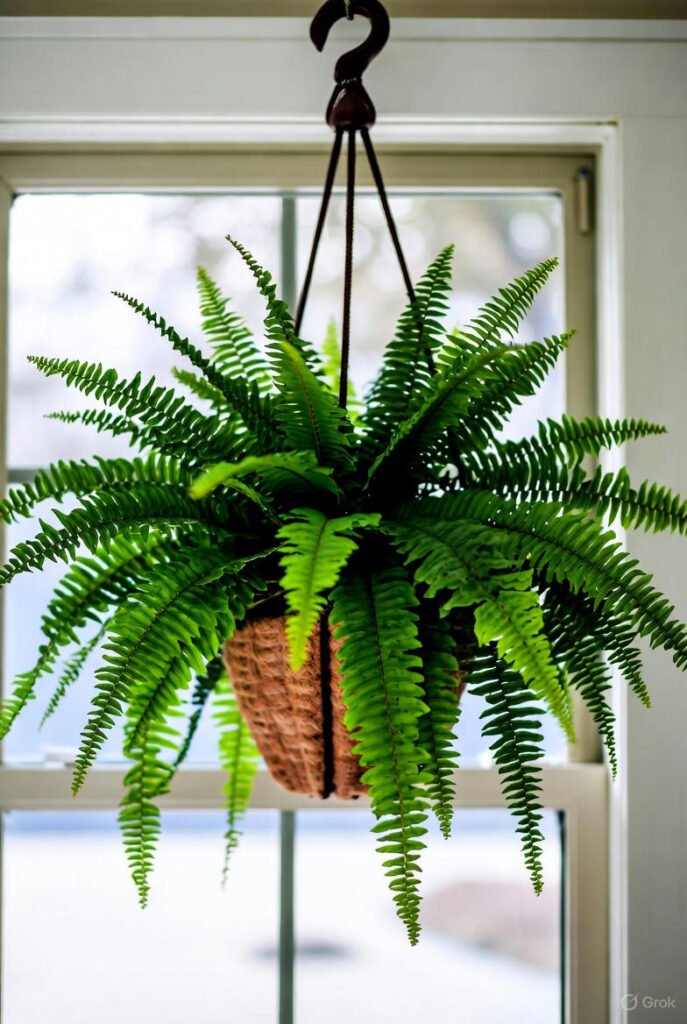
Boston ferns are lush, feathery plants that bring a sense of freshness and vitality indoors. They are natural air purifiers, removing toxins such as formaldehyde and xylene while maintaining humidity levels. These plants prefer indirect light and regular watering to keep their fronds vibrant. Hanging baskets or decorative pots work well to display their flowing foliage. Adding a Boston fern to your living space not only enhances aesthetics but also creates a calming, green atmosphere. Their dense, vibrant leaves make them a standout in any room, providing both visual appeal and healthier air.
5. Rubber Plant (Ficus elastica)
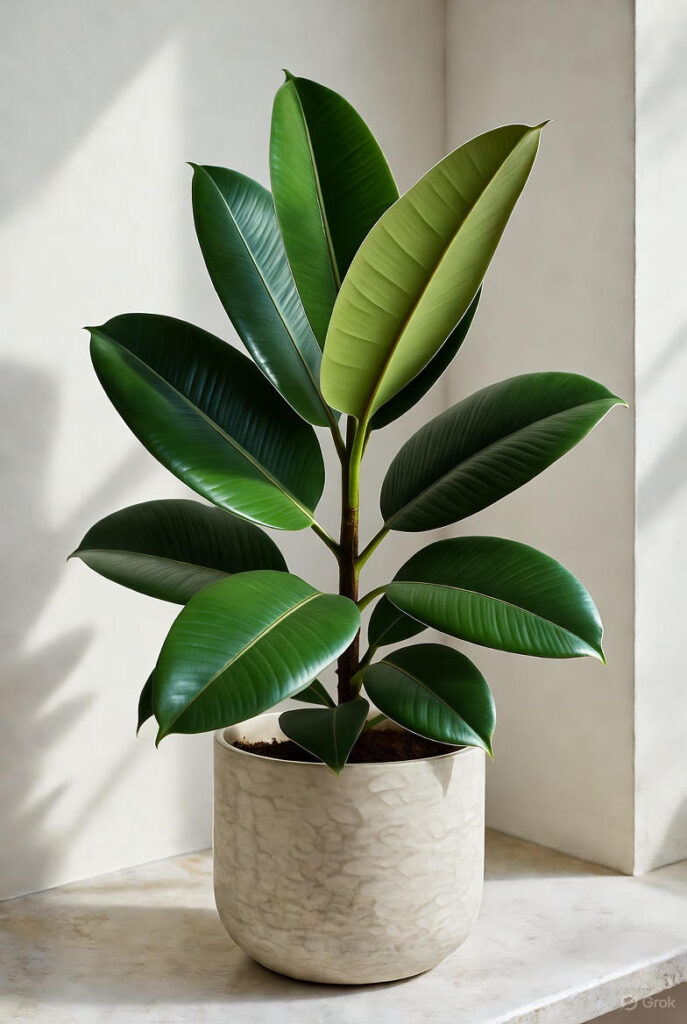
Rubber plants are striking indoor trees with large, glossy leaves that naturally filter indoor air pollutants like formaldehyde. They are low-maintenance and thrive in moderate light, making them suitable for offices or living rooms. Regular watering keeps their thick leaves healthy, while occasional leaf wiping enhances their shine. Rubber plants grow steadily, adding height and presence to any room. Their bold foliage creates a sense of depth and vibrancy, making them a strong decorative and functional choice for improving indoor air quality. Even beginners can enjoy their benefits with minimal effort.
6. Areca Palm (Dypsis lutescens)
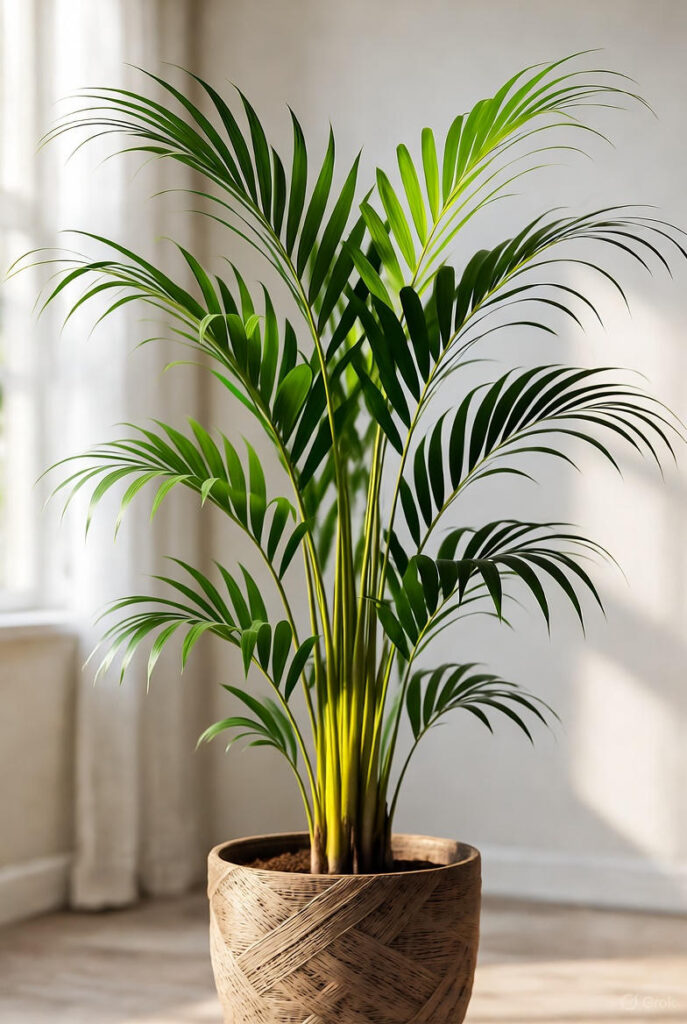
Areca palms are graceful indoor plants that brighten spaces with their feathery, arching fronds. They help purify air by filtering out toxins like xylene and toluene while releasing moisture into the room, improving humidity levels. These palms thrive in bright, indirect light and prefer consistent watering to keep the soil slightly moist. Their elegant foliage creates a tropical feel indoors, making living rooms or offices feel airy and refreshing. Areca palms grow steadily, adding a vertical element that complements modern decor. Their vibrant green leaves make them both functional and visually appealing for indoor gardening enthusiasts.
7. Golden Pothos (Epipremnum aureum)
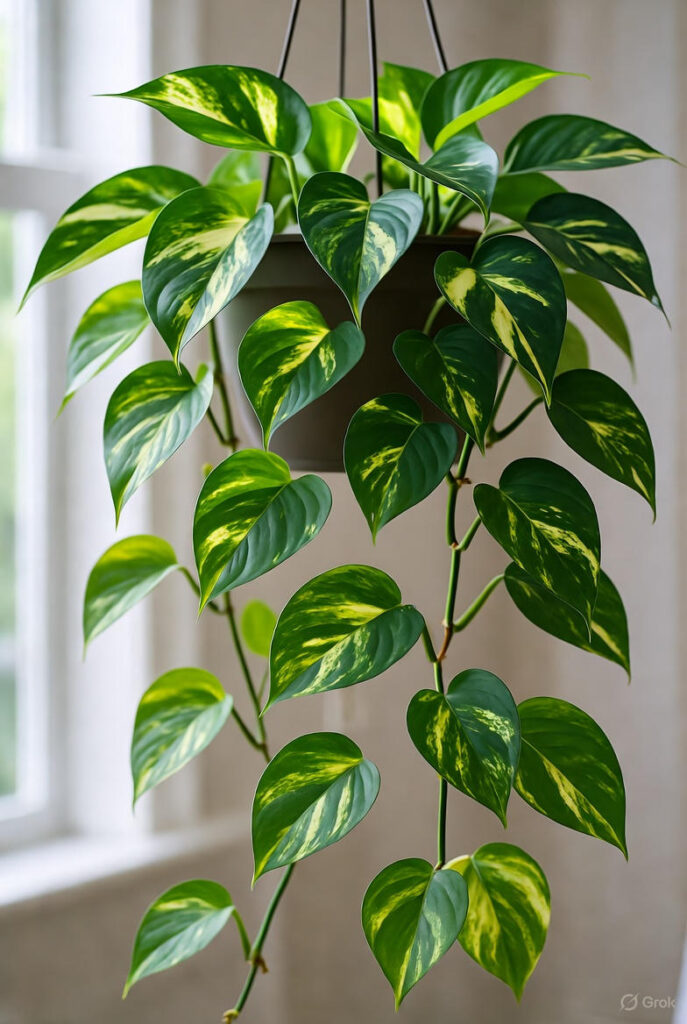
Golden pothos is a versatile trailing plant that adds life and color to any room. Known for filtering formaldehyde, benzene, and xylene, it actively improves indoor air quality. Its heart-shaped leaves with golden variegation create visual interest, whether placed on shelves or hanging baskets. Pothos is extremely low-maintenance and can thrive in low to bright indirect light. Occasional watering is enough to keep it lush and vibrant. Its trailing vines can be trained along walls or shelves, making it a flexible choice for indoor décor. Even beginners will enjoy the easy care and noticeable air-purifying benefits of this resilient plant.
8. Lavender (Lavandula angustifolia)
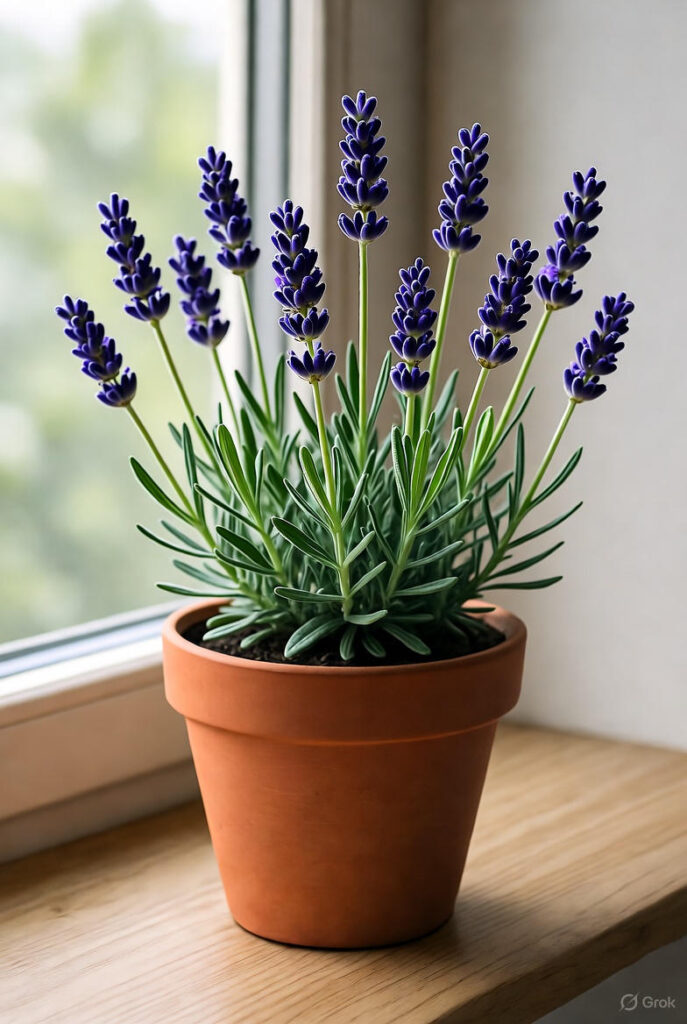
Lavender is more than just a fragrant plant; it also improves indoor air quality and promotes relaxation. Its silvery-green leaves and delicate purple flowers bring color and charm to any indoor space. Lavender thrives in bright sunlight and requires well-drained soil to stay healthy. Beyond purifying the air, its calming scent helps reduce stress and enhances the ambiance of bedrooms or workspaces. Placing a lavender plant indoors creates a soothing, fresh environment that feels naturally inviting. Its vibrant blooms and soft aroma make it a functional and decorative addition to your home.
9. Chinese Evergreen (Aglaonema)
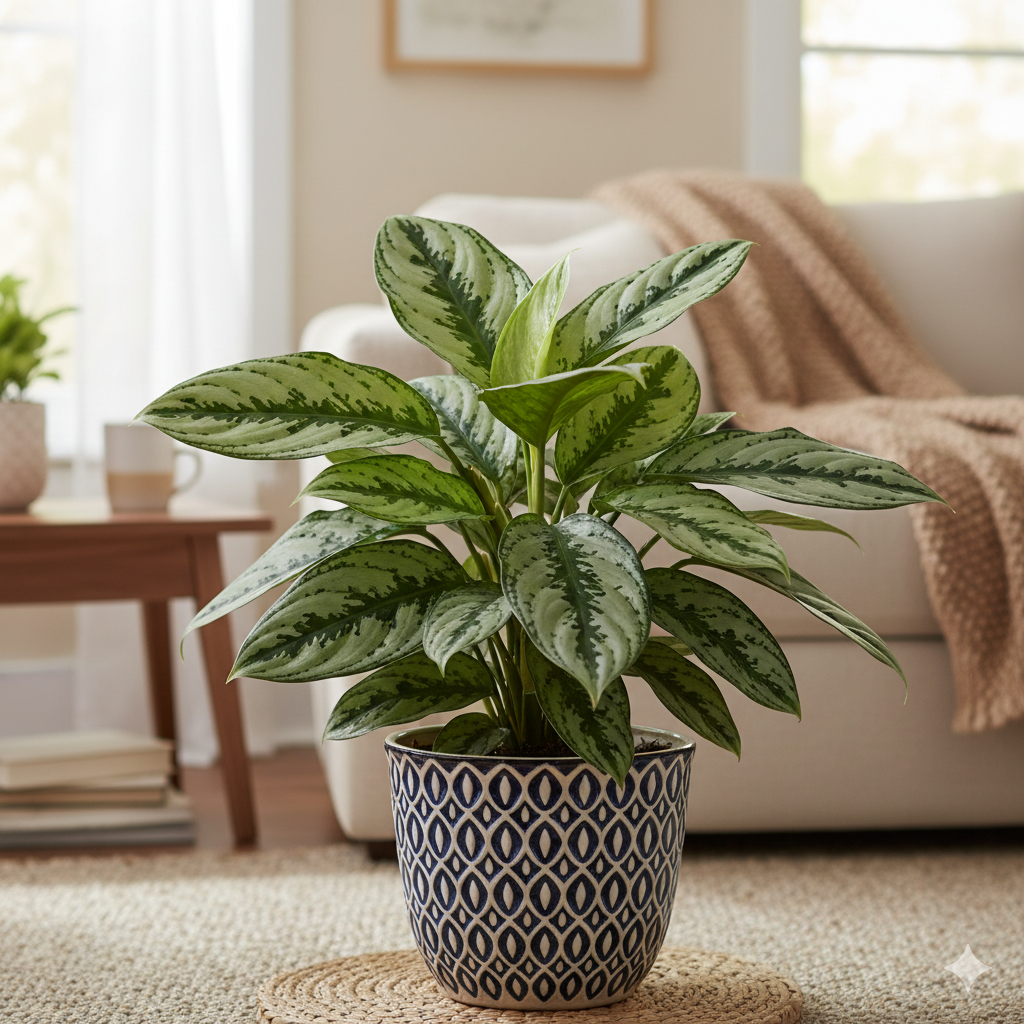
Chinese evergreens are adaptable, hardy indoor plants with striking green leaves often accented with silver, red, or pink markings. They help remove airborne toxins like formaldehyde and benzene while thriving in low-light conditions. Regular watering keeps their leaves lush, but they are forgiving of occasional neglect. Chinese evergreens enhance indoor spaces with their colorful foliage and compact growth, making them suitable for offices, bedrooms, or living rooms. Their easy-going nature makes them perfect for beginners, while their vibrant leaves bring a refreshing touch to interior spaces, creating a healthier and more inviting atmosphere. Learn more about the benefits of indoor plants from the NASA Clean Air Study, which highlights how houseplants improve air quality and wellbeing.
10. Dracaena (Dracaena marginata)
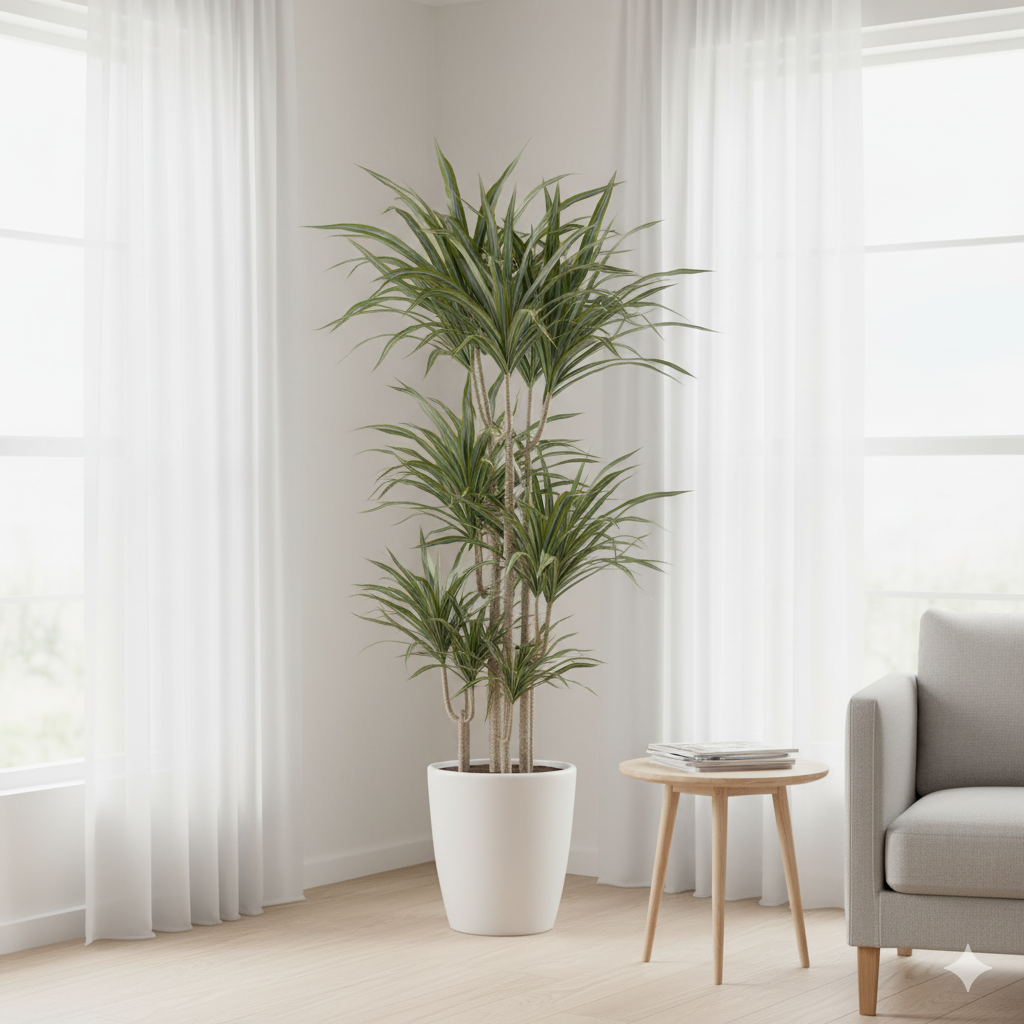
Dracaena plants are elegant indoor trees with long, narrow leaves that help filter indoor air pollutants, including benzene, formaldehyde, and trichloroethylene. Their upright growth and striking foliage add a sculptural quality to any room. Dracaena thrives in bright, indirect light and requires moderate watering, making them low-maintenance companions. Placing a dracaena in living rooms, offices, or hallways instantly elevates the space while promoting cleaner air. Their slender, graceful stems and colorful leaves make them a visually appealing and practical choice for indoor greenery, blending functionality with modern aesthetics.
Conclusion
Indoor plants do more than brighten your home—they actively improve the air you breathe and create a calming, natural atmosphere. From resilient snake plants to elegant peace lilies and versatile spider plants, each of these options filters toxins while adding life and beauty to your living spaces. Whether you’re a beginner or an experienced plant enthusiast, incorporating the best indoor plants for air purification into your home is an easy way to enhance health, reduce pollutants, and enjoy a greener, fresher environment. Start small, choose plants that suit your space and lighting, and watch your home transform into a healthier haven.
FAQS
1. Which indoor plants clean the air the most effectively?
Snake plants, spider plants, peace lilies, and rubber plants are among the most effective for removing toxins like formaldehyde, benzene, and carbon monoxide.
2. How often should I water indoor air-purifying plants?
Most indoor plants thrive with weekly or bi-weekly watering. Always check the soil; it should be slightly dry before the next watering.
3. Can indoor plants improve my health?
Yes. By reducing airborne toxins and increasing humidity, indoor plants can enhance breathing, reduce stress, and promote a healthier indoor environment.
4. Are low-light plants as effective at purifying air?
Yes. Plants like snake plants and Chinese evergreens can filter toxins even in low-light areas, making them perfect for offices or bedrooms.
5. Where should I place indoor air-purifying plants?
Place them in frequently used rooms such as living rooms, bedrooms, or offices. Multiple plants spread throughout your home increase air purification efficiency.