
10 Small Backyard Privacy Ideas That Feel Big on Style
Want more privacy in your small backyard without losing style? These 10 small backyard privacy ideas will help you create a cozy, secluded space using plants, screens, and clever design tricks. Perfect for 2025-2026, each idea adds both charm and comfort to your outdoor area — even on a budget.
Transform your compact outdoor space into a private sanctuary without sacrificing aesthetics. These creative privacy solutions prove that limited square footage doesn’t mean limited possibilities for creating your dream backyard retreat.
Read More:
20 Easy Garden Projects 2025 | Transform Small Spaces
1. Vertical Garden Walls: Living Privacy Screens
Vertical gardens offer dual benefits for small spaces. They create natural privacy while adding lush greenery without consuming precious floor space. Install modular wall planters or pocket gardens filled with trailing plants, herbs, or succulents.
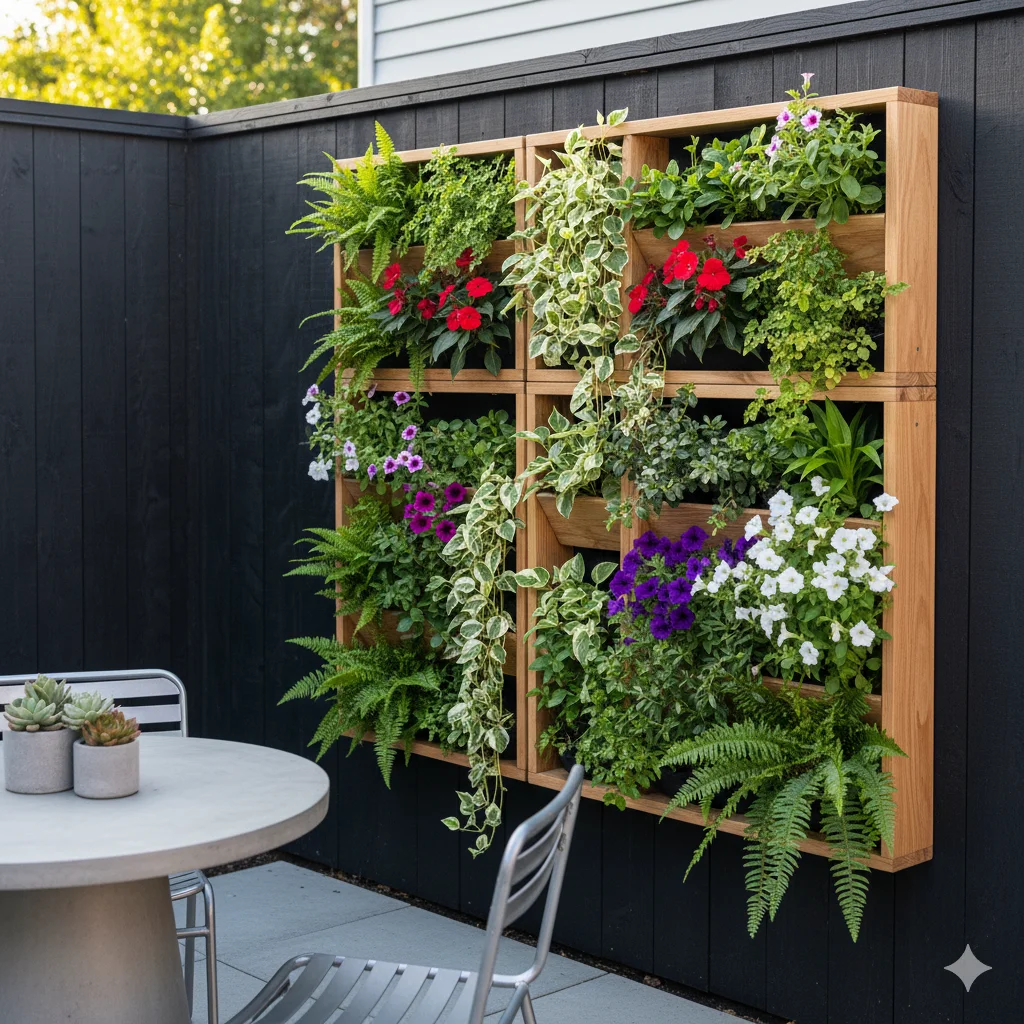
Popular plant choices include Boston ferns, pothos, English ivy, and climbing jasmine. These living walls absorb noise, improve air quality, and provide year-round privacy when you mix evergreen and deciduous varieties.
Consider installing a drip irrigation system behind your vertical garden for easy maintenance. This solution works perfectly for renters too, as many vertical garden systems are portable and don’t require permanent installation.
2. Bamboo Screening: Fast-Growing Natural Barriers
Bamboo creates instant impact with its tall, slender profile perfect for narrow yards. Clumping bamboo varieties grow quickly, reaching heights of 8-15 feet while maintaining a compact footprint of just 3-5 feet wide.
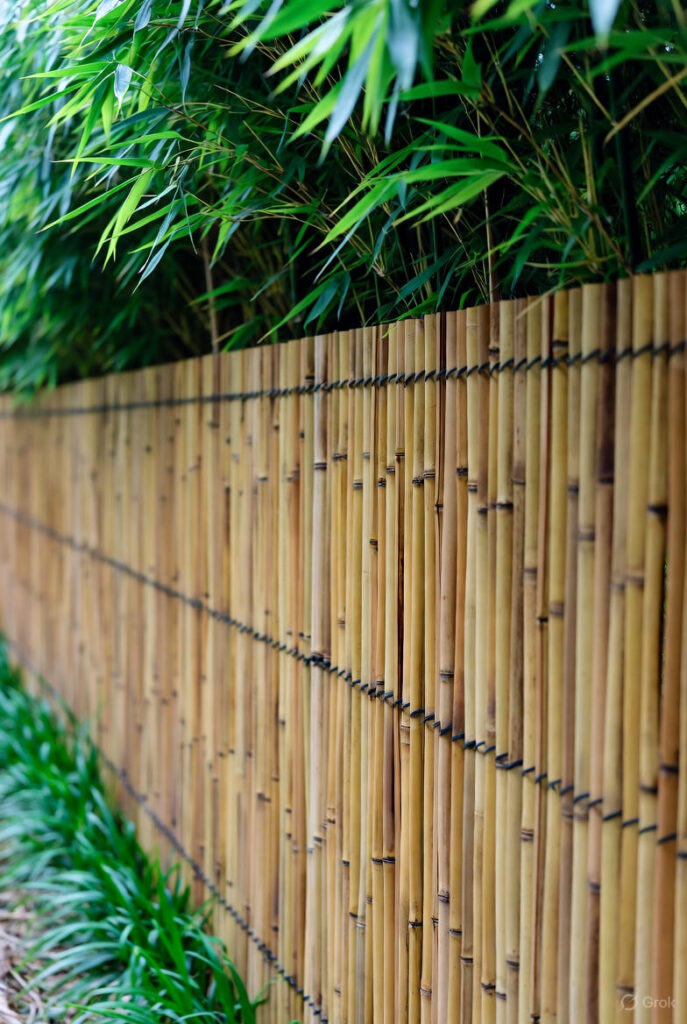
Choose clumping varieties like Bambusa multiplex or Fargesia robusta to avoid invasive spreading. Plant bamboo in large containers or install root barriers to control growth. The rustling leaves create soothing sounds while the dense foliage blocks unwanted views effectively.
Bamboo thrives in most climates and requires minimal maintenance once established. Space plants 3-4 feet apart for quick coverage, or use pre-grown bamboo panels for immediate privacy.
3. Outdoor Curtains: Flexible Privacy Solutions
Outdoor curtains offer versatility that solid structures can’t match. Install weather-resistant curtains on pergolas, gazebos, or freestanding frames to create intimate zones within your backyard.
Choose fade-resistant outdoor fabrics in colors that complement your exterior palette. White or cream curtains brighten small spaces, while darker shades create cozy, dramatic ambiance for evening entertaining.
Mount curtains on ceiling tracks or decorative rods with rustproof hardware. Tie them back during the day for openness, then close them when privacy is needed. This adaptability makes outdoor curtains ideal for multi-functional small yards.
4. Layered Planting: Strategic Depth and Dimension
Create natural privacy through layered landscaping that adds visual interest while blocking sightlines. Start with tall ornamental grasses or shrubs at the back, medium-height perennials in the middle, and low groundcovers in front.
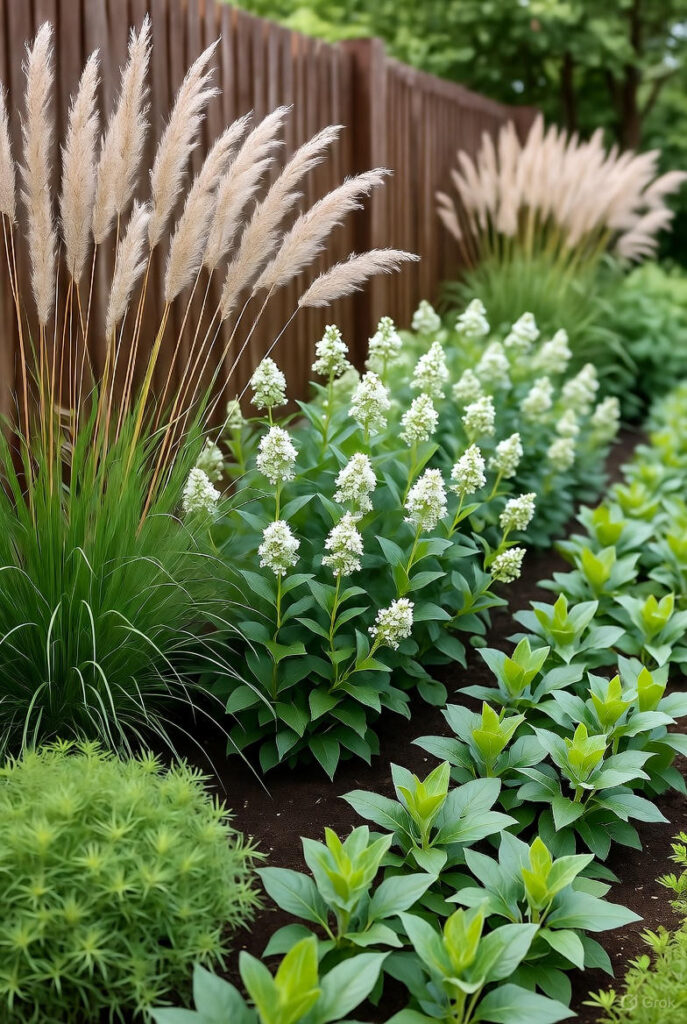
This technique maximizes privacy without overwhelming small spaces. Choose plants with different blooming seasons to maintain year-round interest. Evergreen shrubs like boxwood, holly, or privet provide consistent screening while flowering plants add seasonal color.
Incorporate different textures and heights to create depth perception that makes your yard feel larger. Mix fine-textured grasses with bold-leafed hostas and feathery ferns for dynamic visual appeal.
5. Lattice Panels with Climbing Vines: Classic Elegance
Lattice panels provide immediate semi-privacy while climbing plants fill in for full coverage over time. Install wooden or vinyl lattice panels along fence lines or as freestanding dividers.
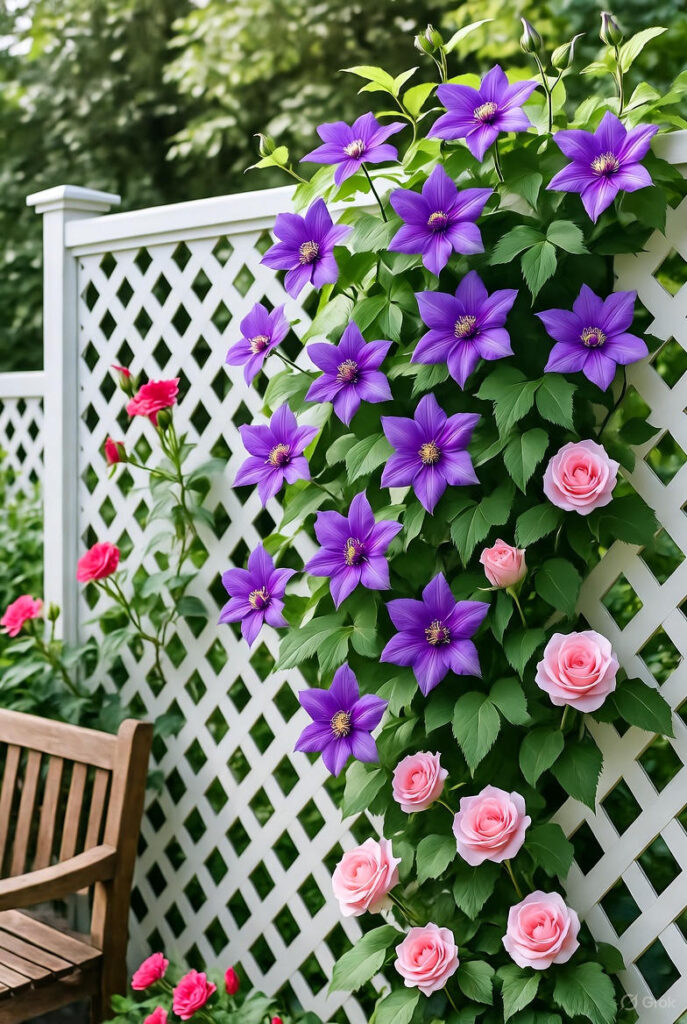
Train climbing roses, clematis, honeysuckle, or morning glories up lattice for living artwork. This combination offers quick installation with evolving beauty as plants mature. Lattice toppers can also extend existing fence height without heavy construction.
Paint lattice panels in colors that complement your home’s exterior. Dark colors create dramatic backdrops for flowers, while white lattice brightens shaded areas and makes small spaces feel larger.
6. Tiered Planters: Elevated Privacy Barriers
Tall tiered planters create instant height and privacy while maintaining mobility. Stack large planters in graduated sizes or invest in purpose-built tiered planting systems that maximize vertical space.
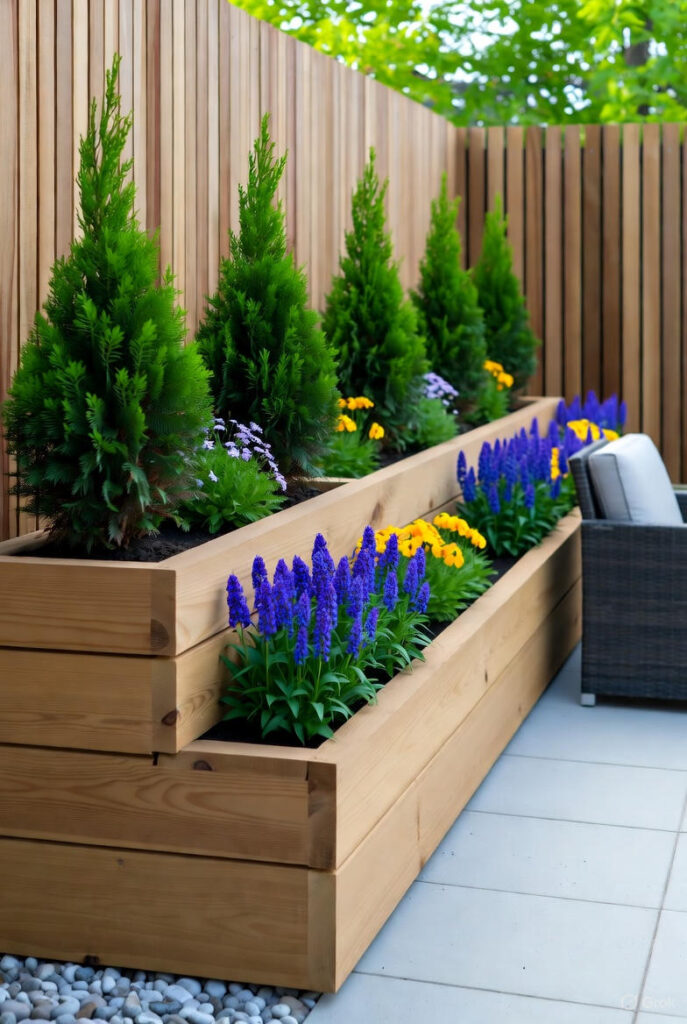
Fill lower tiers with colorful annuals and upper tiers with evergreen shrubs or ornamental grasses. This arrangement provides seasonal flexibility and easy replanting. Wheels on planter bases allow you to reconfigure your privacy screen as needs change.
Choose planters that match your outdoor aesthetic, from sleek modern concrete to rustic wooden boxes. Group multiple tiered planters strategically to block specific sightlines without creating a wall effect.
7. Decorative Screens and Panels: Artistic Privacy
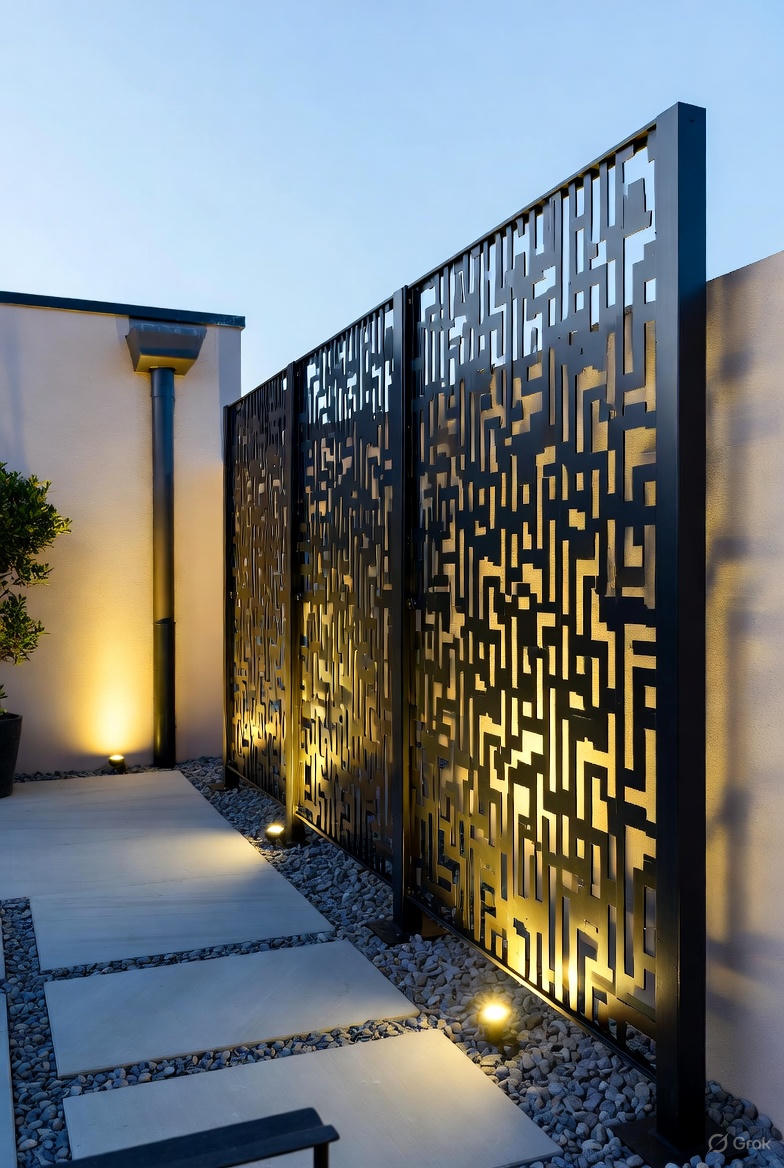
Contemporary decorative screens blend functionality with artistic expression. Metal, wood, or composite panels with geometric cutouts, nature-inspired patterns, or abstract designs create privacy while maintaining airflow and visual interest.
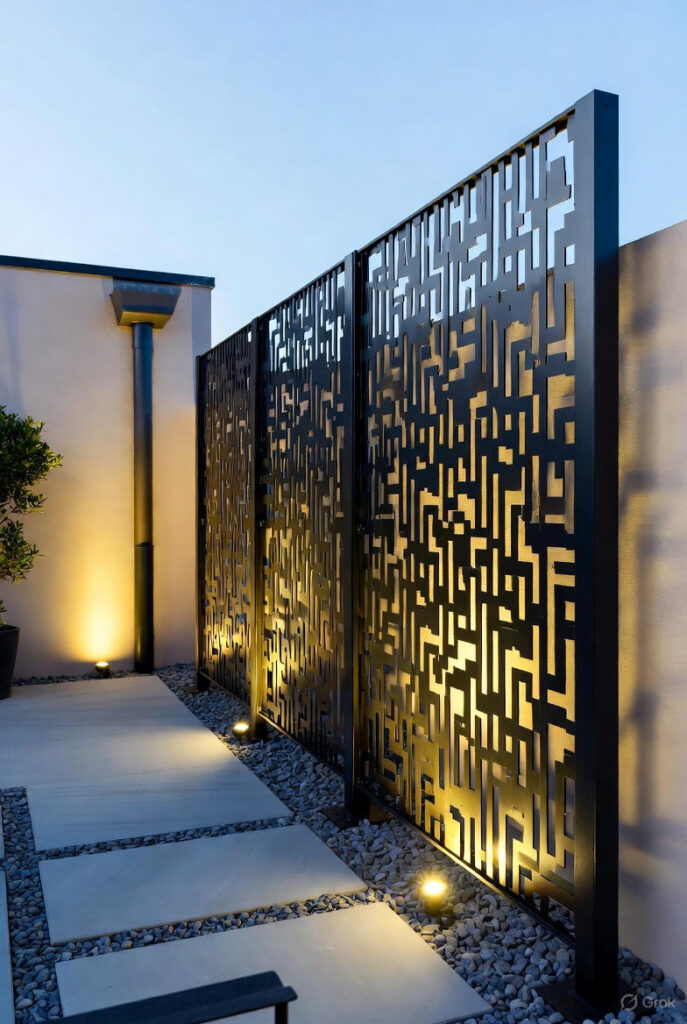
Install screens as fence toppers, standalone dividers, or mounted on posts to frame specific areas. Laser-cut metal screens cast beautiful shadow patterns, while wooden screens offer warmth and natural texture.
Backlight decorative screens with landscape lighting for dramatic evening effects. These architectural elements serve as outdoor art installations that enhance property value while providing privacy.
7. Water Features: Auditory Privacy Enhancement
Strategic water features mask neighboring noise while creating focal points in small yards. Wall-mounted fountains, small pond-less waterfalls, or bubbling urns provide privacy through sound without consuming much space.
The gentle sound of moving water creates acoustic privacy that makes conversations feel more intimate. Position water features near seating areas where you spend the most time. Solar-powered options eliminate electrical concerns.
Water features also attract beneficial wildlife like birds and butterflies, adding life and movement to your private retreat. Choose self-contained systems that recirculate water for easy maintenance and water conservation.
9. Mixed Material Fencing: Textural Interest
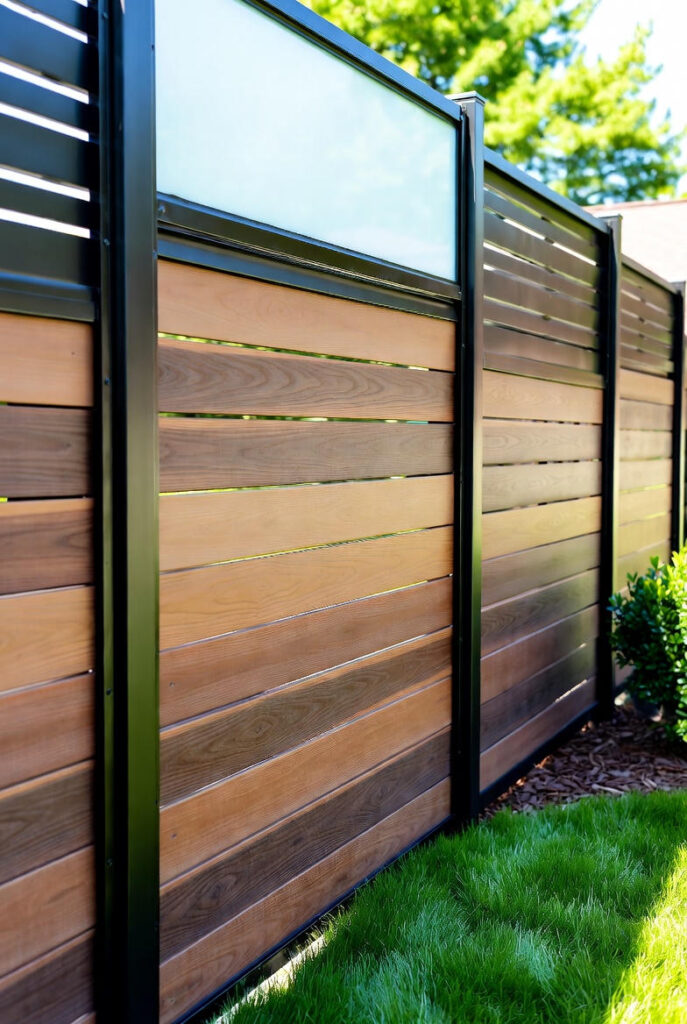
Combine different fencing materials to create privacy with personality. Alternate wood panels with metal inserts, mix horizontal and vertical slats, or incorporate glass or acrylic panels for light transmission.
This approach adds architectural interest that elevates basic privacy fencing into a design feature. Mixed materials prevent small yards from feeling boxed in by varying opacity and texture.
Consider maintenance requirements when selecting materials. Composite wood alternatives offer wood’s warmth without rotting concerns, while powder-coated metal resists rust and fading.
10. Overhead Structures: Privacy from Above
Don’t forget vertical sightlines when planning privacy. Pergolas, shade sails, or retractable awnings shield your space from overlooking windows while defining outdoor rooms.
Drape overhead structures with climbing vines, hang outdoor curtains, or install retractable canopies for adjustable coverage. These structures also provide shade that makes small backyards more comfortable during peak sun hours.
Install outdoor lighting on pergola beams to extend evening use of your private outdoor space. String lights, lanterns, or integrated LED strips create ambiance while illuminating your sanctuary.
Maximizing Privacy in Compact Spaces
Successfully creating privacy in small backyards requires strategic planning and creative thinking. Focus on multi-functional solutions that provide screening while adding beauty, shade, or storage.
Measure your space carefully before selecting privacy solutions. Some ideas work better for specific dimensions or exposures. Consider sun patterns, prevailing winds, and maintenance access when positioning screens and plantings.
Layer multiple privacy strategies for comprehensive coverage. Combine tall plantings with decorative screens and overhead structures to address sightlines from multiple angles without overwhelming your space.
Maintenance Considerations for Long-Term Privacy
Choose privacy solutions that match your maintenance capacity and lifestyle. Living screens require regular watering, pruning, and seasonal care, while permanent structures need occasional cleaning and refinishing.
Plan for plant growth when designing living privacy screens. Fast-growing options provide quick results but may require more frequent trimming. Slower-growing evergreens demand patience but offer lower maintenance over time.
Invest in quality materials and proper installation for permanent structures. Weather-resistant hardware, pressure-treated lumber, and professional installation ensure your privacy solutions remain attractive and functional for years.
Conclusion: Creating Your Private Paradise
Small backyards can absolutely achieve the privacy and style of larger properties with smart design choices. These ten ideas prove that creative solutions and strategic planning overcome space limitations.
Start with one or two privacy enhancements that address your most pressing concerns, then build your private oasis gradually. Mix natural and structural elements for balanced aesthetics that reflect your personal style while creating the secluded retreat you deserve.


